Collectors are trained to read the engine code first. On a 1970 Plymouth Road Runner convertible, that instinct points at the 426 Hemi, then the 440 Six-Barrel, and only then at the 383 that most buyers actually ordered. At Mecum Dallas on October 24, the market looked at a 383 and paid a price that, by the figures published so far, ran well ahead of the Six-Barrel convertible that previously set the mark. The reason was not under the hood. It was on the fenders.
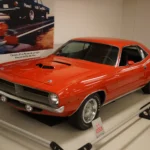
The car, lot S178 from the Waters Mopar Collection, wears Moulin Rouge, factory paint code FM3, a spring-release color Plymouth sold in limited numbers in 1970 (Dodge buyers knew it as Panther Pink). It is reported to have sold for $269,500, which would make it the most expensive 1970 Road Runner convertible sold at public auction. We were unable to confirm the figure on Mecum’s own results page at the time of writing, so treat the number as reported rather than verified.
The Thesis: Color Is the Scarcity That Collectors Can See
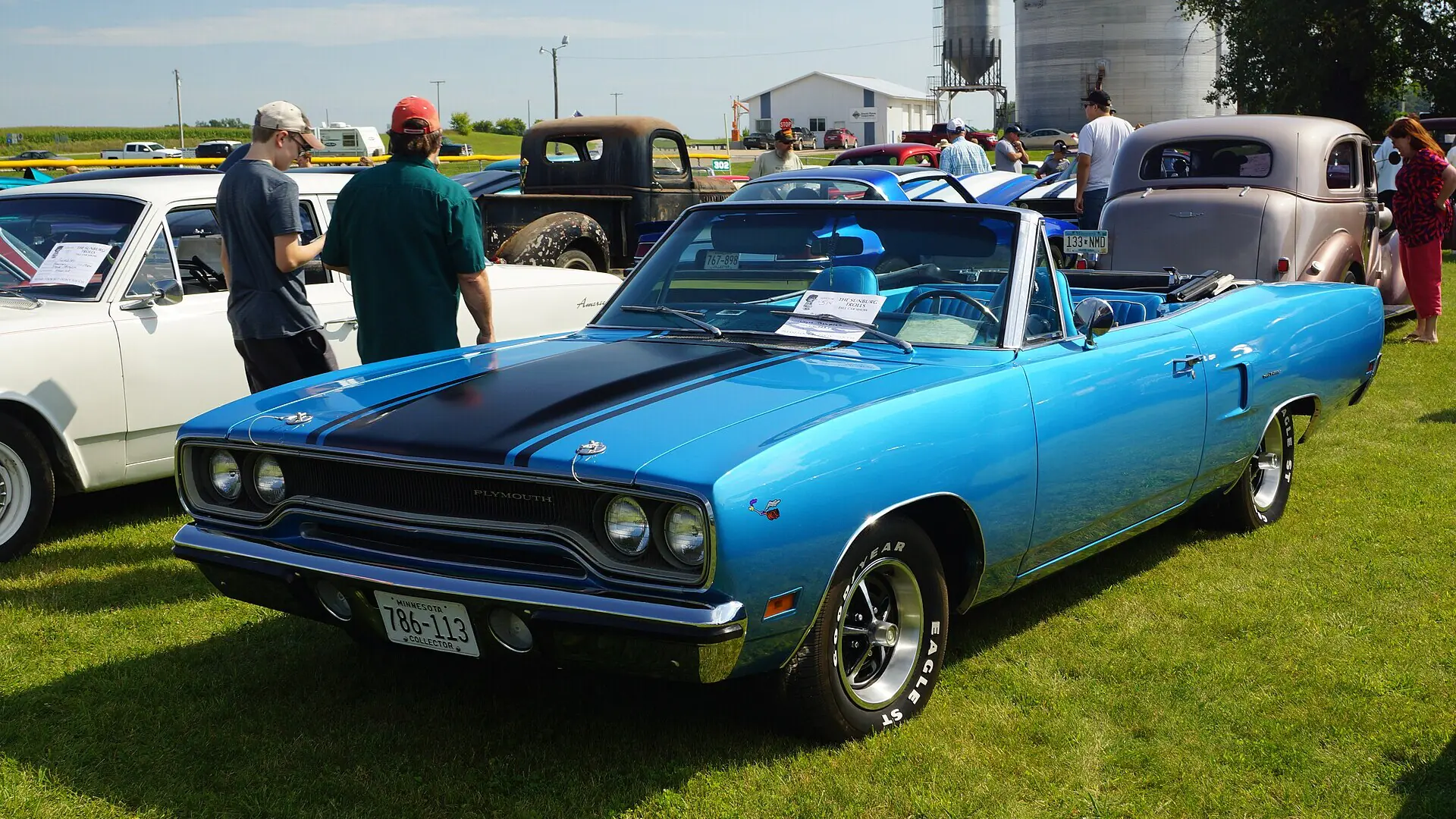
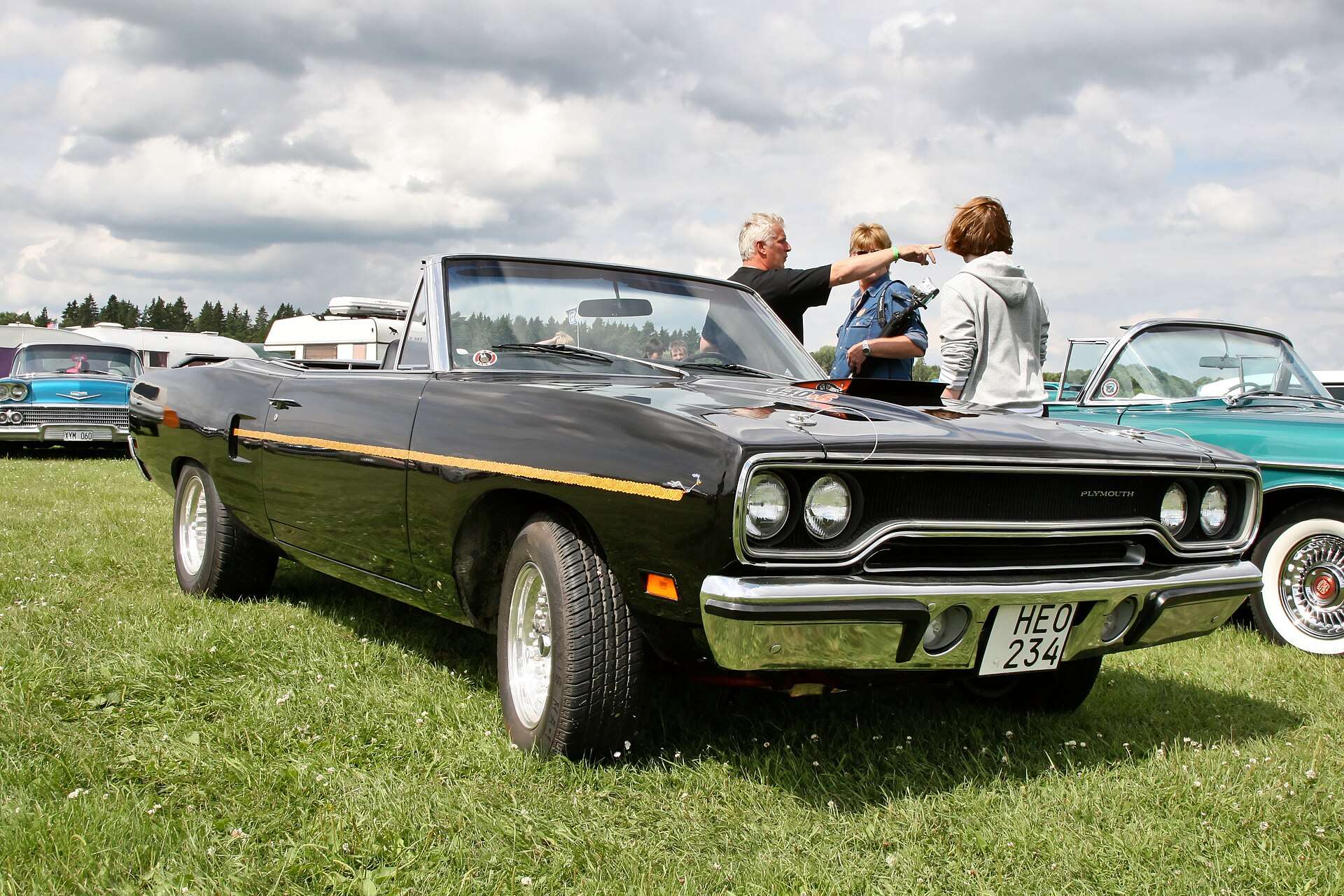
Plymouth built 658 Road Runner convertibles in 1970, according to the production figures commonly cited for the model: three with the 426 Hemi, 34 with the 440 Six-Barrel and 621 with the 383. On paper, the Six-Barrel and Hemi cars are the elite. Yet engine scarcity is a thin kind of rarity at this level, because every collector has seen the argument made before and has priced it in.
Color scarcity is different. Mecum’s description of the car, as relayed by Racer, holds that it is one of 44 Road Runners finished in Moulin Rouge and one of only three convertibles, and the only one of those three with a numbers-matching drivetrain. Other published estimates put the pink convertible count higher, at as many as six, and the discrepancy matters. Counts by color and body style are rarely this clean, so these figures are best read as informed estimates, not factory arithmetic. Serious buyers should treat the exact number as unsettled and the order of magnitude as reliable: very few were built, and very few remain.
That is the useful distinction. A Six-Barrel convertible is rare on the build sheet. A Moulin Rouge convertible is rare on the lawn. A bidder does not need to read a fender tag to feel it.
What Supported the Price
Color alone rarely carries a car this far. Three things appear to have mattered alongside it. First, the drivetrain: a 383 four-barrel with a numbers-matching 727 TorqueFlite and matching rear axle, which resolves the question that undermines so many pink Mopars, namely whether the colors and the components were ever born together. Second, the presentation: a white top, deluxe white vinyl interior, Rallye wheels, power steering, front disc brakes and an AM/8-track unit, all consistent with a well-optioned, period-correct car. Third, the work: a full restoration completed in 2021 by Hot Bodz and Custom Rods of Lewiston, Idaho.
Restoration is also the caveat. This is not a preserved original, and the market has been explicit lately about what unrestored paper and documentation can command. We examined that dynamic in our reporting on how a Superbird’s paperwork outweighs its replaceable nose, and in the record-setting four-speed GT500KR convertible, a reminder that the convertible body style rewards the right specification. The Mecum catalog lists 38,493 miles, but Mecum notes that figure is as displayed and not verified, so mileage should not be part of the valuation story.
Where It Sits in the Road Runner Hierarchy
Reported rankings place the car third among 1970 Road Runners sold at auction, behind a Hemi hardtop reported at $330,000 this year and the 1970 RTS concept car, reported at $314,000 in 2019. The previous 1970 convertible record is reported at $220,000, set in 2025 by an unrestored Six-Barrel car. Those are competitor-reported comparisons, and they should be confirmed against auction archives before anyone anchors a negotiation to them.
The more important comparison is conceptual. The Road Runner was conceived as a stripped, affordable performance car, and its most valuable examples have always been the ones that departed furthest from that brief. A convertible, a rare color, the largest engine: each adds a layer. What Dallas suggests is that the layers are not equal. For Mopar buyers who have spent two decades paying up for Hemi and Six-Barrel badges, the order of operations may be shifting toward the details that cannot be reproduced.
What Serious Buyers Should Take From It
One result does not make a trend, and a single pink convertible with a matching drivetrain is closer to a one-off than a benchmark. Even so, the lesson travels. When a car’s rarity is visible, documented and tied to a verified drivetrain, buyers will pay for it without requiring the most famous engine. The corollary is less comfortable: the same logic punishes cars whose color, drivetrain or body cannot be proven. We saw the inverse in buyers paying for the odometer, not the delete on a low-mile Z/28, where documented originality set the price.
Collectors rarely pay a premium for horsepower alone. They pay for the feature that no one else can offer, as long as the paperwork lets them believe it. On a Moulin Rouge Road Runner, the 383 was never the story. The color was, and Dallas just priced it.
The collector car market, every weekday morning.
Auction results, price moves and what’s crossing the block, read in four minutes. Free, from Modern Car Collector.
No spam, unsubscribe in one click. Or read more about the Brief.