
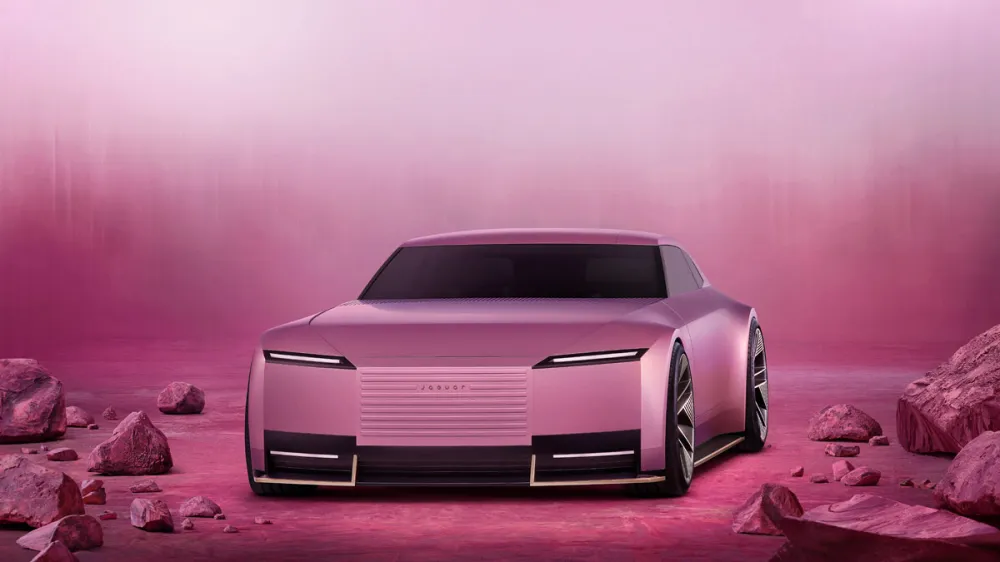
Jaguar’s upcoming electric grand tourer is shaping up to be one of the most ambitious and debated vehicles in the brand’s modern history, with new details revealing a massive curb weight and extraordinary power output as development continues.
The vehicle, initially introduced as the Type 00 concept, marked a dramatic shift for the British automaker when it debuted in 2024. Jaguar positioned the project as a move into the ultra-luxury segment, aiming to compete with high-end brands such as Bentley and Rolls-Royce after years of struggling to define a clear identity in the marketplace.
The concept’s striking design and bold presentation drew significant attention and sparked strong reactions from enthusiasts and longtime followers of the brand. Its distinctive appearance and dramatic styling represented a clear attempt to establish a new direction for Jaguar, even as some purists questioned the approach.
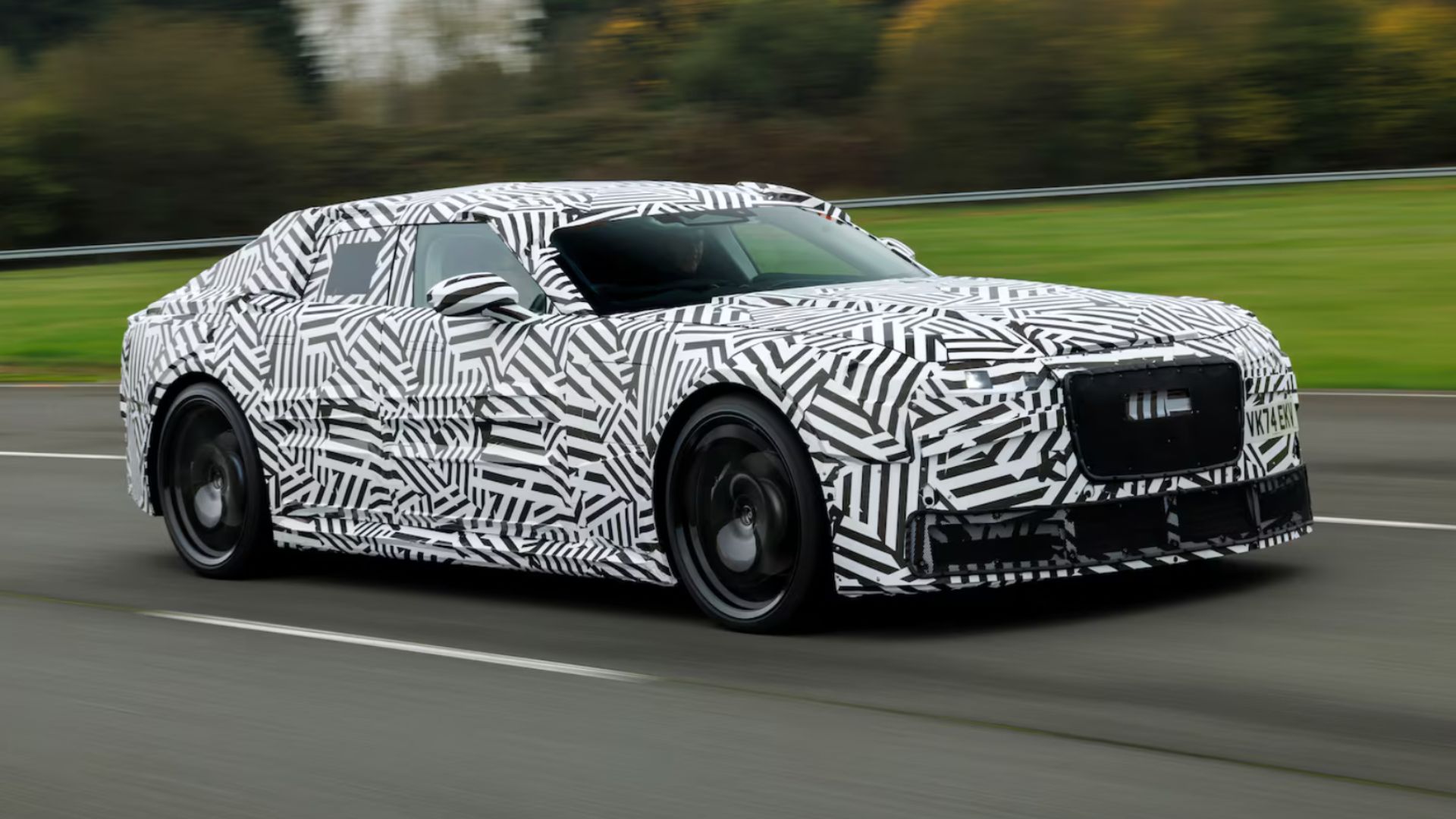
As testing progresses, early performance details are beginning to emerge. The production version of the electric grand tourer is expected to weigh close to 6,000 pounds, placing it among the heavier vehicles in the high-performance luxury segment. Despite the substantial weight, the car is projected to deliver around 1,000 brake horsepower, creating a combination of massive power and equally significant mass.
Range figures are also beginning to surface, with estimates suggesting the vehicle could travel about 435 miles under the WLTP testing cycle. Real-world driving figures under U.S. EPA standards would likely be somewhat lower.
Engineers are still working to fine-tune the car’s performance characteristics. Testing in challenging winter conditions, including ice circuits in Sweden, has been used to refine handling and traction while managing the immense power delivered by the electric powertrain.
Early impressions suggest the vehicle prioritizes comfort and grand touring capability over razor-sharp track performance. Its large size and weight reinforce the focus on long-distance luxury travel rather than aggressive sports car dynamics.
Jaguar’s development team continues to refine software and driving systems designed to manage the powerful electric drivetrain. The complex integration of high horsepower and advanced control systems remains an ongoing challenge as engineers work toward a production-ready model.
The ultimate goal for the vehicle is to attract wealthy buyers seeking a luxurious electric grand tourer capable of blending high performance with long-range comfort. Potential customers may also cross-shop the model with other high-performance electric vehicles, including options like the Porsche Taycan.
Despite mixed reactions to its design and direction, Jaguar appears committed to the project as it continues shaping the brand’s future identity in the evolving luxury EV market.
 Shawn Henry