

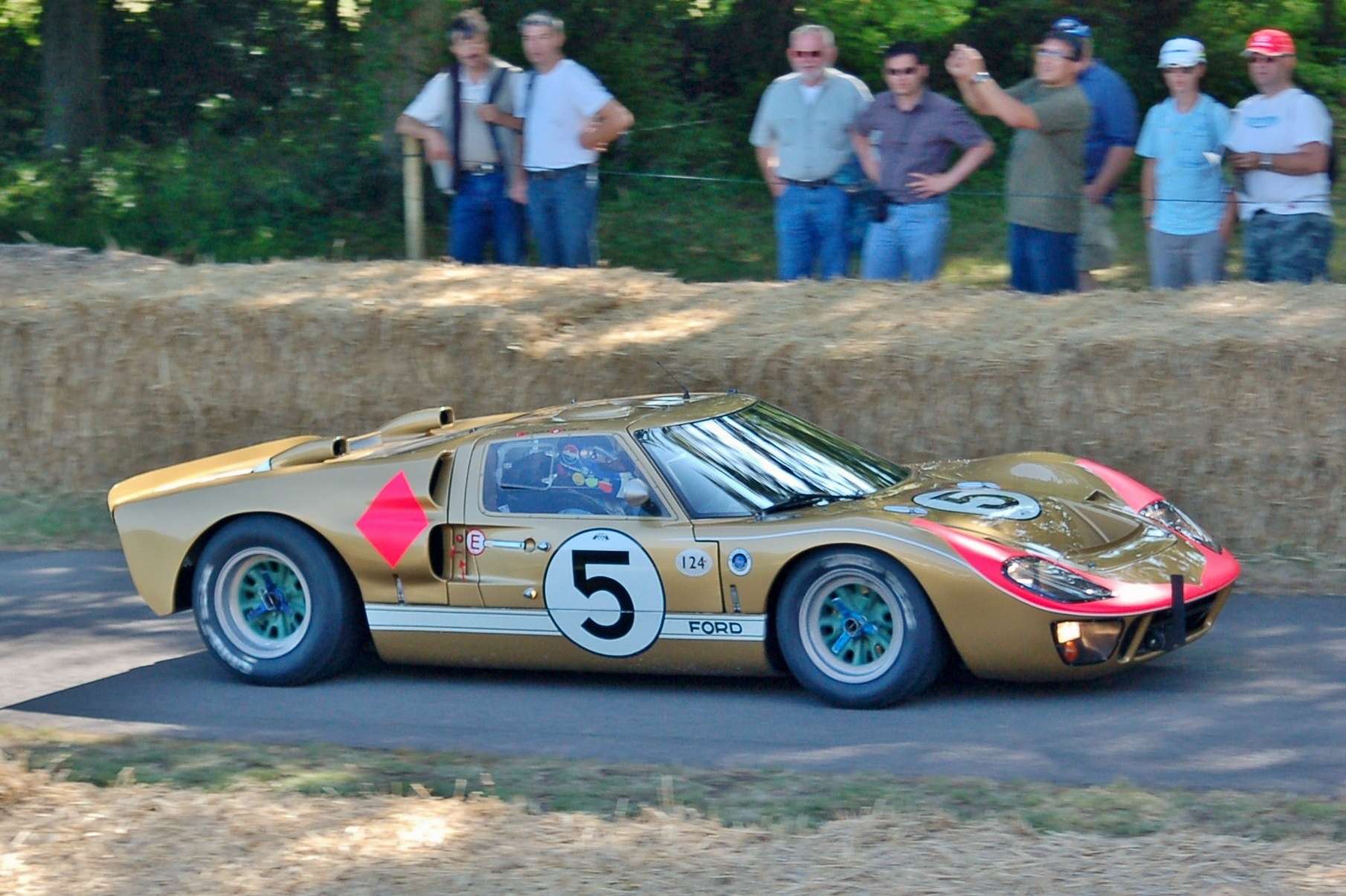
Ford has spent the past three years doing something collectors understand instinctively and manufacturers rarely do well: putting its history in one place. The result is the Ford Vault, a 79,000-square-foot facility in Romulus, Michigan, set inside a former Amazon fulfillment center, where roughly 125 cars from the company’s U.S. Heritage Fleet now sit under a single roof. Reports differ on the exact count, with some accounts citing about 150 vehicles, but the number is not the story. The structure is.
A Working Archive, Not a Showroom
Ted Ryan, Ford’s archives and heritage brand manager, and the company describe the Vault as a working archive, a place where current designers and engineers can study the ideas and experiments that shaped the brand. Ford CEO Jim Farley reportedly pushed for a U.S. collection comparable to those the company already maintains overseas. The difference between a display fleet and a reference library is significant. A display fleet is curated to flatter. A reference library has to keep the awkward cars too: the proof-of-concepts, the experiments, the machines that explain a decision rather than celebrate one.
The mix reflects that. Ford has said the collection includes more than 60 concept vehicles and roughly 50 race cars, alongside Hollywood Mustangs, historic police cruisers, a 1938 ambulance and World War II-era military vehicles, among them a 1941 Ford GP. Two Ford GTs reportedly greet arrivals at the entrance beside a 1910 Model T, a pairing that bookends Ford’s story from mass-market revolution to a modern supercar. Collectors following the first-generation Ford GT Heritage Edition market will recognize how deliberately that second chapter echoes the first.
The Cars That Explain the Collection
The most revealing car may be the least famous. A 2005 Mustang GT proof-of-concept, nicknamed “Johnny Cash” by Ford engineers after the song “One Piece at a Time,” reportedly paved the way for the Shelby GT350. It is being displayed for the first time. Collectors tend to chase production cars, yet a prototype like this documents how a modern Mustang performance model was actually argued into existence. It is the kind of vehicle that matters to historians long before it matters to the market, and Ford is the only party that could have kept it together with its paperwork.
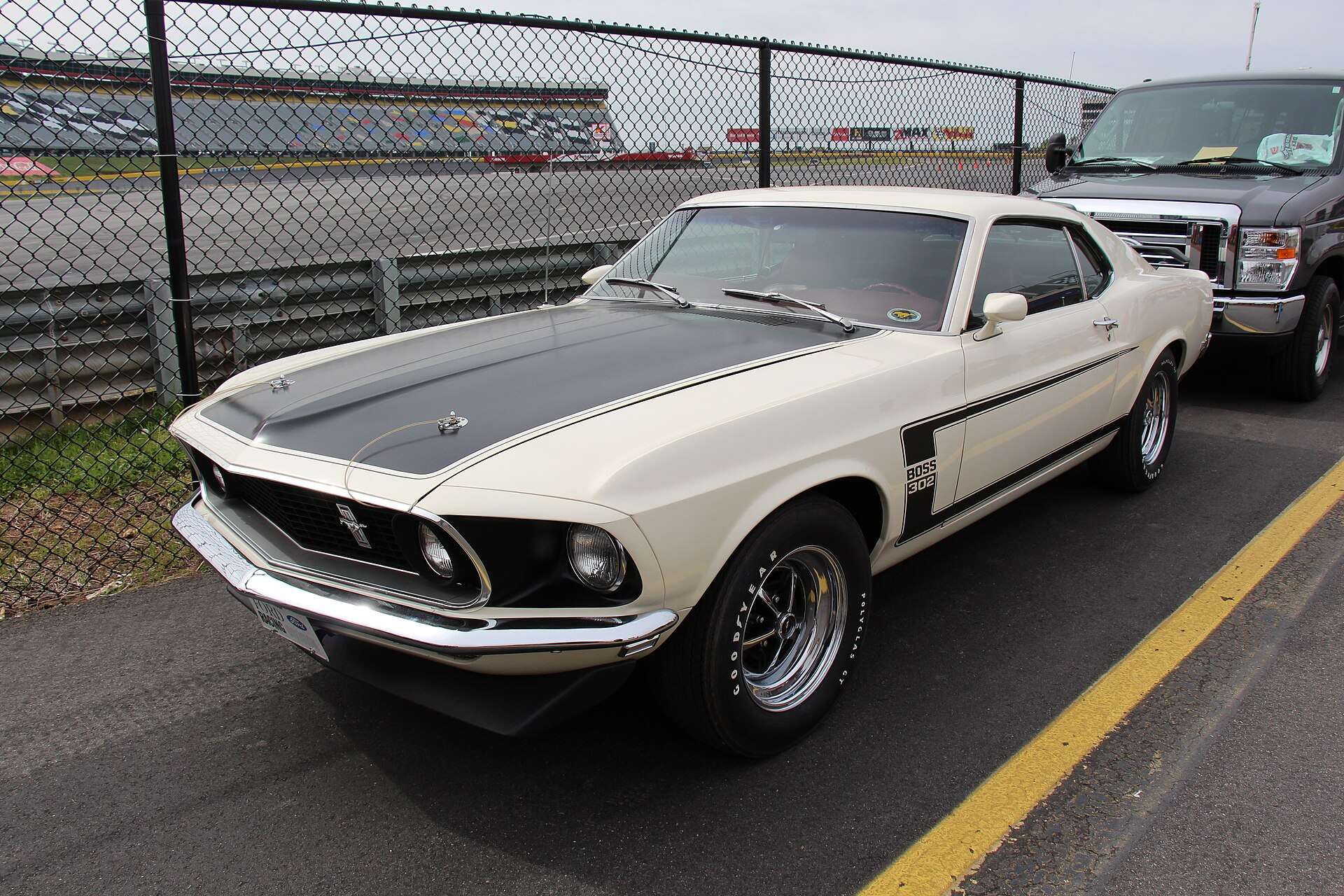
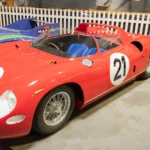
Motorsport is the other anchor. The Vault includes the first three finishers from Le Mans in 1966, the result dramatized in Ford v Ferrari. For readers who track the GT40 Mk II or the early prototype roadsters that come to auction, seeing the factory’s own cars gathered in one place sets a benchmark for what originality and continuity look like. It also reinforces why the Mustang remains, as we have argued, the king of collectible American cars: its story is documented from the drawing board to the checkered flag.
What Serious Collectors Should Notice
Two acquisitions deserve attention. The 1910 right-hand-drive Model T was built in the United Kingdom and stayed there until 2025, when it joined the Heritage Fleet. A 1973 Mustang convertible used in The Mary Tyler Moore Show was sold in 1974, remained in private hands for decades, and was bought by Ford last year; its body was restored in 1999 while the interior is original. A pickup once owned by Jay Leno, a 1934 Flathead Ford, is also reported to be among the cars on hand.
The point is not that Ford is shopping aggressively. The reporting does not say how much the company buys, what it intends to keep versus sell, or how its U.S. fleet compares in depth with its overseas holdings. The point is that when a manufacturer with an archive of this size still buys back a car with a verified chain of ownership, it is acknowledging something collectors already know. A factory can restore a car. It cannot restore the chain of custody.
That is the lesson worth taking from the Vault. Provenance, documented use and original components are the things even a manufacturer cannot recreate, which is why they keep commanding attention at every level of the market. Whether Ford’s interest in its own history becomes a meaningful factor for buyers of Ford-related cars is not something the evidence establishes, and we would not speculate. But anyone who owns a Ford with a clean paper trail should note that the company with the deepest archive in the business still values the same things they do.
The collector car market, every weekday morning.
Auction results, price moves and what’s crossing the block, read in four minutes. Free, from Modern Car Collector.
No spam, unsubscribe in one click. Or read more about the Brief.



 Shawn Henry
 EL Puckett