

The sale rooms were quiet on fresh hammer prices overnight, so this brief looks at three live listings, each of which turns on a single number that does not quite line up. In every case that number is the real story, not the asking price or the estimate. None of the figures below is a sale price: they are estimates and dealer asking prices drawn from the sellers’ own pages, and where a comparable sale would normally help, no verified one was available, so none is cited.
BMW M1 AHG Studie: Three Identifiers on One Car
RM Sotheby’s will offer a 1987 BMW M1 in AHG Studie specification at its Munich sale on November 20, with an estimate of €400,000 to €500,000 and no reserve. AHG, a German BMW dealer, built a Procar-inspired package for the M1; the company believes about 10 cars received it, and this one is thought to have been made for and kept by AHG president Peter Gartemann. The lot carries a bespoke body kit, a special blue livery, reported output of about 350 hp, adjustable racing suspension and 16-inch three-piece BBS wheels.
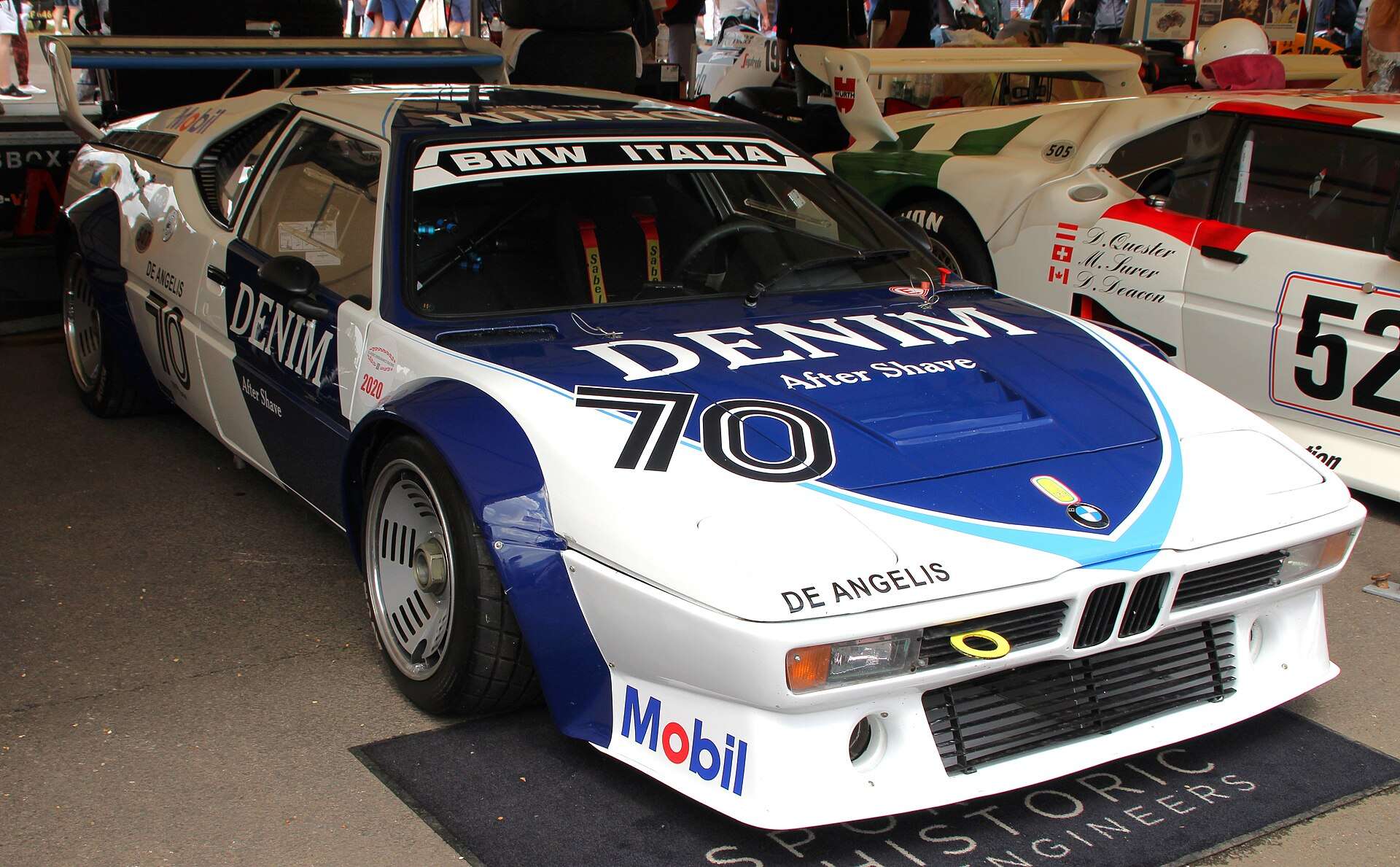
The wrinkle is in the paperwork. The lot lists a chassis number (TP8220526), a BMW VIN (WBS59910004301461) and a separate AHG serial (WBS8220526), and RM says a period vehicle document describes the car as built from original parts and a bare shell with a newly stamped identification number. That does not make it a bad car; dealer specials are collected for exactly this kind of period story. It does mean a buyer is paying for the AHG program and the Gartemann connection rather than for an untouched factory M1, and the lot page offers no condition report. Collectors should ask for the full document trail, an independent inspection and BMW Classic’s view of the numbers before bidding. Our look at Nick Heidfeld’s BMW 3.0 CSL covers a related question: how much a built-to-collect BMW is worth beyond its specification.
Peugeot 205 T16: A €405,000 Ask and Two Registration Dates
Charles Pozzi’s Vence showroom lists a Peugeot 205 T16 at €405,000. The dealer describes a 1.8-liter turbo (1,775 cc) with 200 hp in Gris Winchester, 30,900 km on the odometer, a full restoration of mechanics, chassis, interior and bodywork between 2021 and 2024, and a car that left the factory in March 1984. Its first owner bought it in 1986, it stayed with one family until 2014, and the current owner acquired it in 2021. The file is said to include the original purchase invoice and maintenance and inspection records. This is an asking price, not a result.
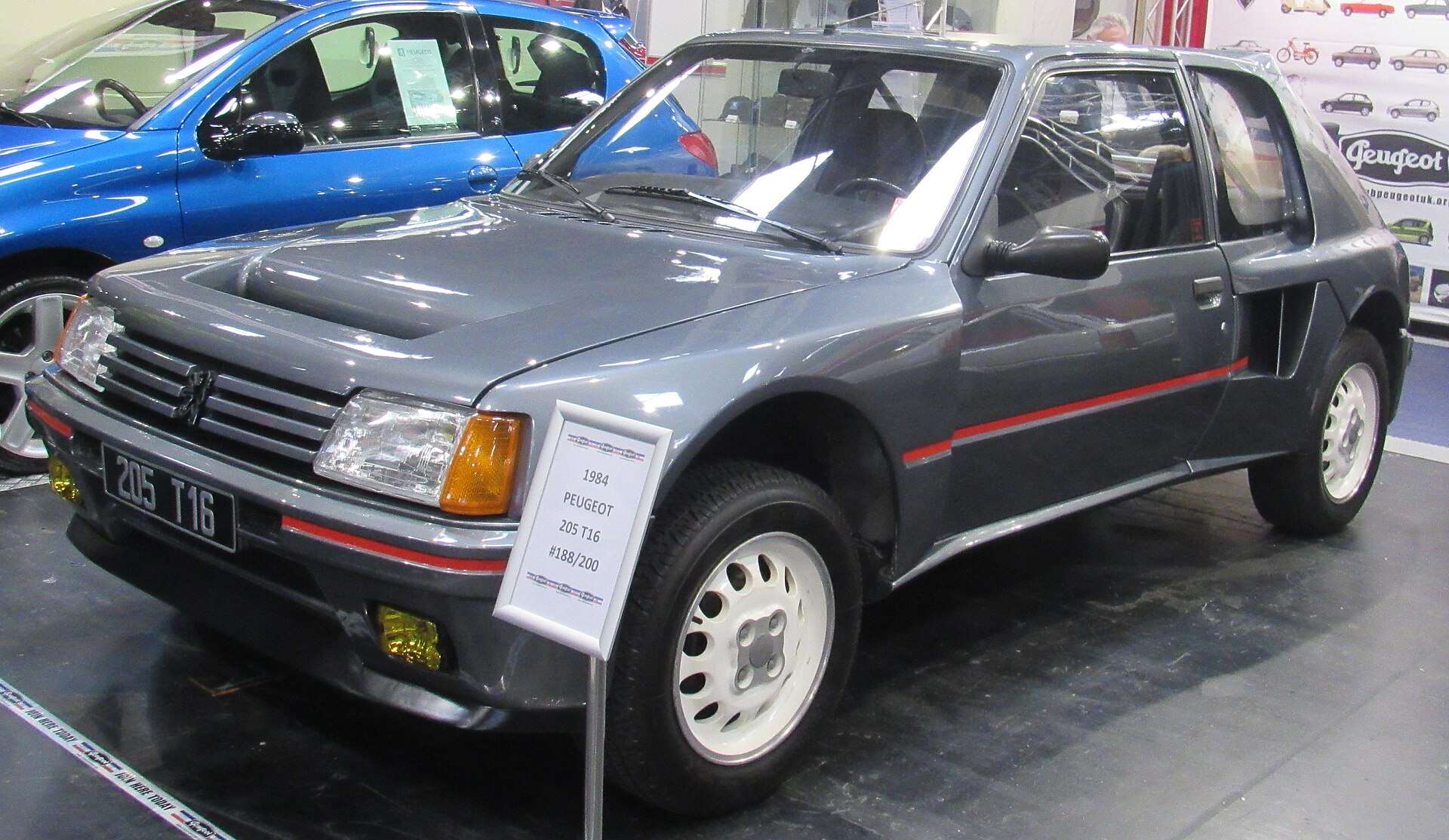
The number to check is the date. The listing’s specification line shows a registration date of March 8, 1984, while Les Voitures’ October 1 report on the same car gives a first registration of 1992, and that report cites a Group B homologation requirement of at least 200 road cars. The road-going T16 is the entry ticket to Group B ownership, so buyers should expect the registration history, French carte grise record and restoration invoices to reconcile before they accept a price at this level. A three-year restoration on a car with just 30,900 km also raises the question collectors keep asking of low-mileage survivors: how much of the car is still the car Peugeot built?
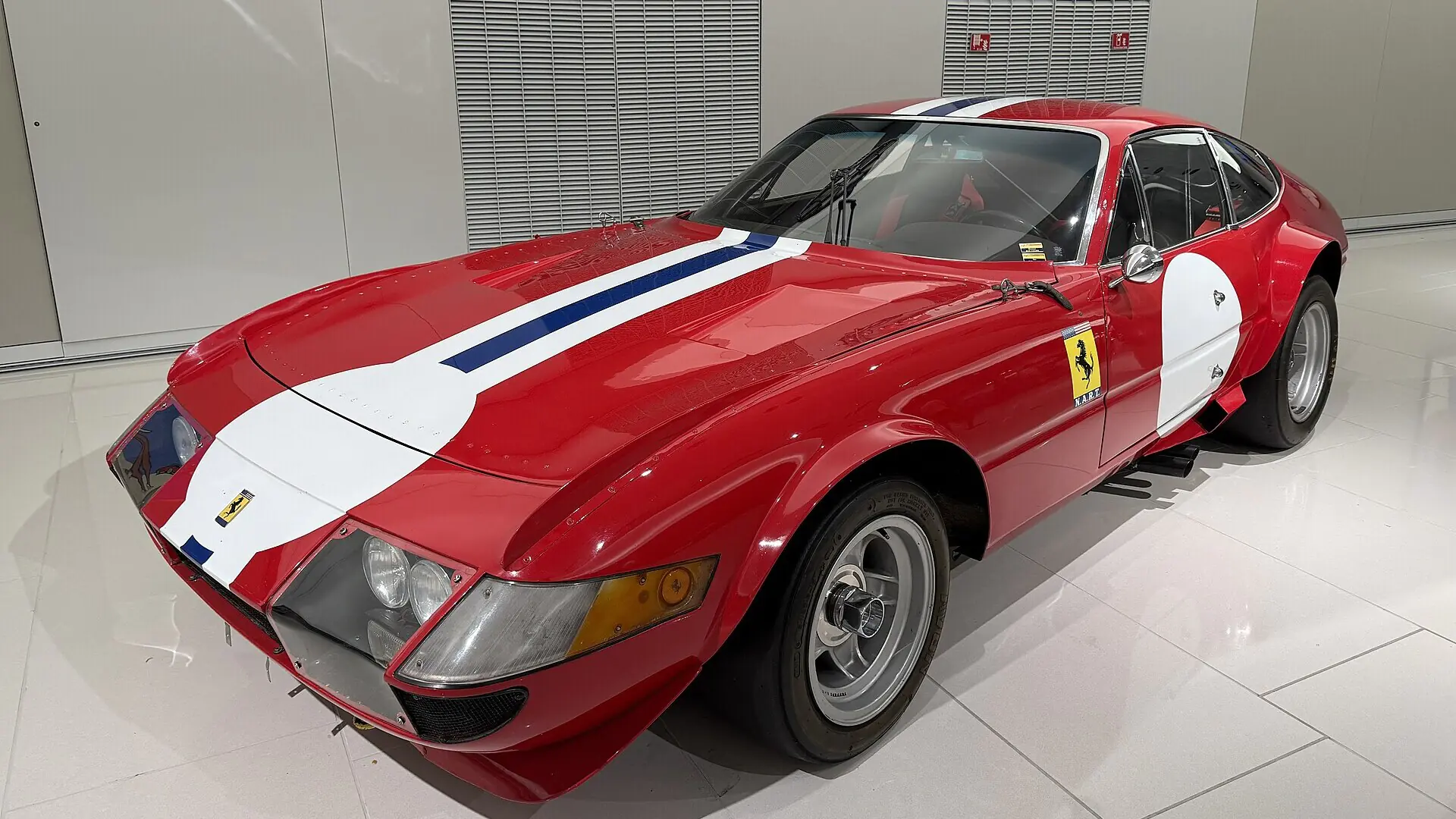
Ferrari 365 GTB/4 Daytona Competizione: A Le Mans Finisher With Another Car’s Engine
London dealer Sam Hancock continues to offer chassis 14049, a 1971 Ferrari 365 GTB/4 Daytona Competizione, at a price on application. Built in January 1971 in Argento silver, it was entered by privateer Philippe Cornet-Epinat at the 1972 24 Hours of Le Mans as #98. According to the dealer, it started 29th, was damaged on the first lap and still finished eighth overall and fifth in class. The listing traces about ten owners, including a conversion to a Spider in the 1970s and a later return to 1972 Le Mans specification and its original silver.
The number that matters here is the engine’s: the car carries engine B240, which the dealer says was originally fitted to chassis 12983. Racing Ferraris routinely swapped engines, and the Le Mans history is the value driver, but it is the point on which an expert will focus. The listing also states that the 4.4-liter V12 was rebuilt in February 2023 (invoices of €28,000), that an estimated 33 to 38 hours remain before the recommended rebuild interval, and that the technical passport application is still in progress. Collectors weighing it against the factory-original road cars covered in our piece on the Daytona Spyder body as an originality detail are buying a different thing entirely: a racing car with period history, not a numbers-matching road car.
What the Three Have in Common
Each car sits between a factory original and a later construction, and the price will depend on how convincingly the paperwork bridges the gap: a newly stamped identification number on the M1, two registration dates on the 205 T16, and a replacement engine on the Daytona. For context on how auction buyers have been pricing documentation lately, see our Zoute market brief. The practical lesson is the same for all three: verify the number, then bid.
Sources: RM Sotheby’s lot page for the 1987 BMW M1 AHG Studie; Charles Pozzi Vence listing for the Peugeot 205 T16; Les Voitures (October 1, 2026); Sam Hancock listing for Ferrari 365 GTB/4 Competizione chassis 14049. Estimates and asking prices are as published by the sellers and may change. Featured image: 1971 Ferrari 365 GTB/4 Daytona Competizione in the Prince of Monaco’s collection, a comparable car and not chassis 14049, by 5225C / Wikimedia Commons, CC BY-SA 4.0.
The collector car market, every weekday morning.
Auction results, price moves and what’s crossing the block, read in four minutes. Free, from Modern Car Collector.
No spam, unsubscribe in one click. Or read more about the Brief.




 Kyle Matthews
 John Lloyd