

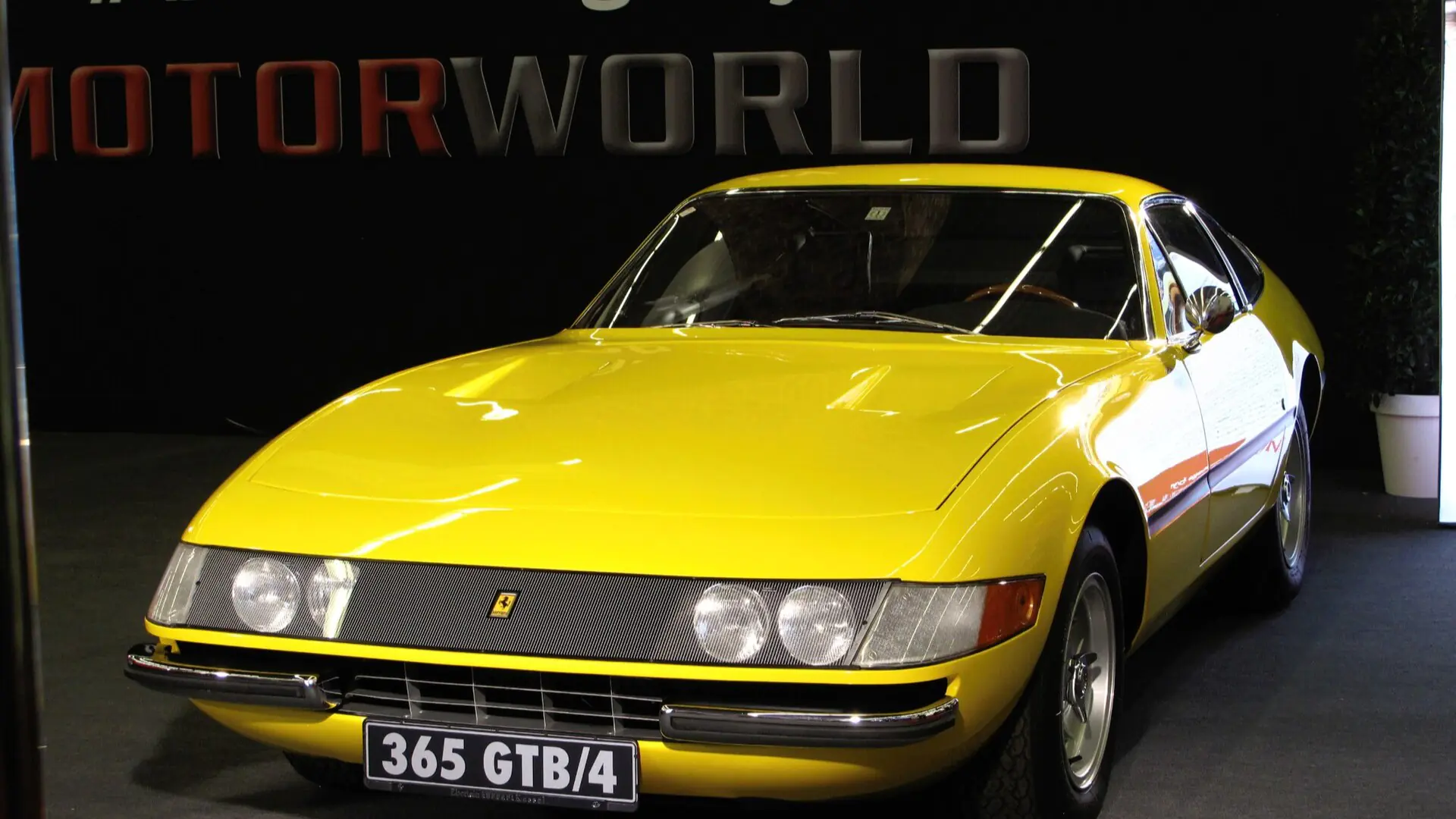
A Ferrari Daytona Spyder is worth a multiple of the berlinetta it was built beside, and that gap is exactly why the market is full of berlinettas that have been cut open and sold as something else. Ferrari built 1,284 Daytona berlinettas and only 122 factory Spyders. The body style is the originality detail on this car, and it is the one buyers are most tempted to accept on sight. A convertible top is easy to see. Proof that it left Maranello that way is not.
Why the Ferrari Daytona Spyder Body Moves the Price
The 365 GTB/4, nicknamed Daytona, was built from 1968 to 1973 with Leonardo Fioravanti’s Pininfarina design and Scaglietti-built bodies, around the 4.4-liter Colombo V12 with six Weber carburetors and roughly 350 horsepower. The open GTS/4 followed in 1971. By most accounts, 122 were built, including seven right-hand-drive cars, against 1,284 berlinettas. (Sources differ slightly on how the totals reconcile, one more reason to work from the car’s own factory record.)
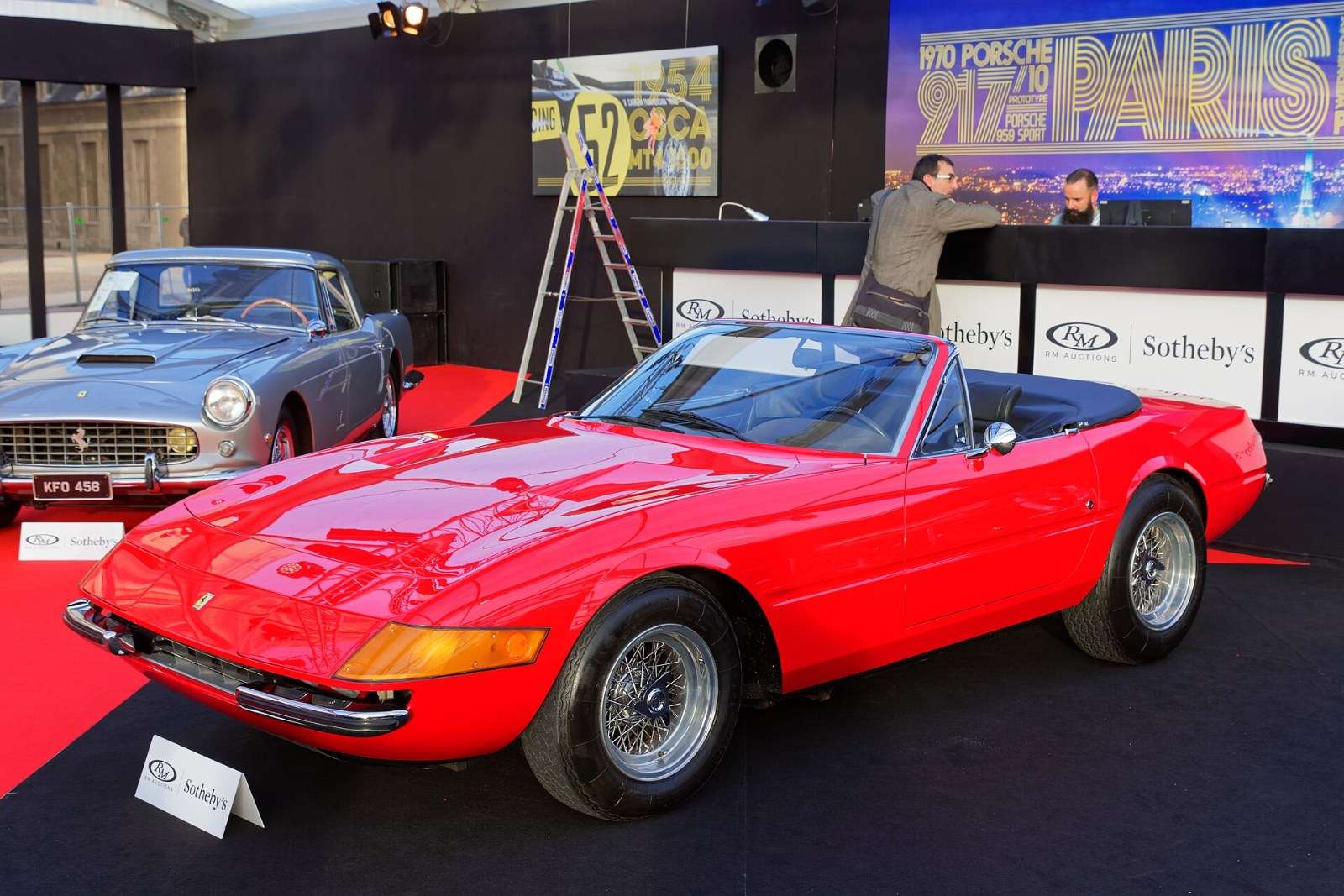
The rarity is only half the argument. Published price guides have put genuine Spyders in the low-to-mid millions of dollars and berlinettas in the high six figures, and Sports Car Market has described a real Spyder as selling for “a multiple” of a coupe. Those figures are indicative, not current comparables, and anyone buying should pull fresh results. But the direction is not in dispute: the same V12, the same chassis architecture and the same interior are priced very differently depending on whether the roof was removed by Ferrari or by someone else.
How a Berlinetta Becomes a “Spyder”
Spyder conversions are not a modern fraud story. They began in the 1970s, when a coupe was worth far less than the open car, and Sports Car Market has estimated that roughly 100 berlinettas were converted over the years. Some were done by serious specialists, with the structure reworked to match factory practice. Others were not.
Quality is the point. Factory-style conversions replace the fiberglass inner fenders and rear bulkhead with steel and add proper bracing, because an open car without that structure flexes and cracks. A cheaper job leaves tells behind. Sports Car Market’s write-up of a 1978 conversion that Bonhams sold at Goodwood in 2012 for $320,929, near the bottom of its $300,000 to $450,000 estimate, noted incorrect mirrors, a non-original front bumper bar, wrong side markers and a rear-defogger switch left in the dash. That was a disclosed conversion, sold as one, and it still cleared at roughly coupe money. The danger is the one that is not disclosed.
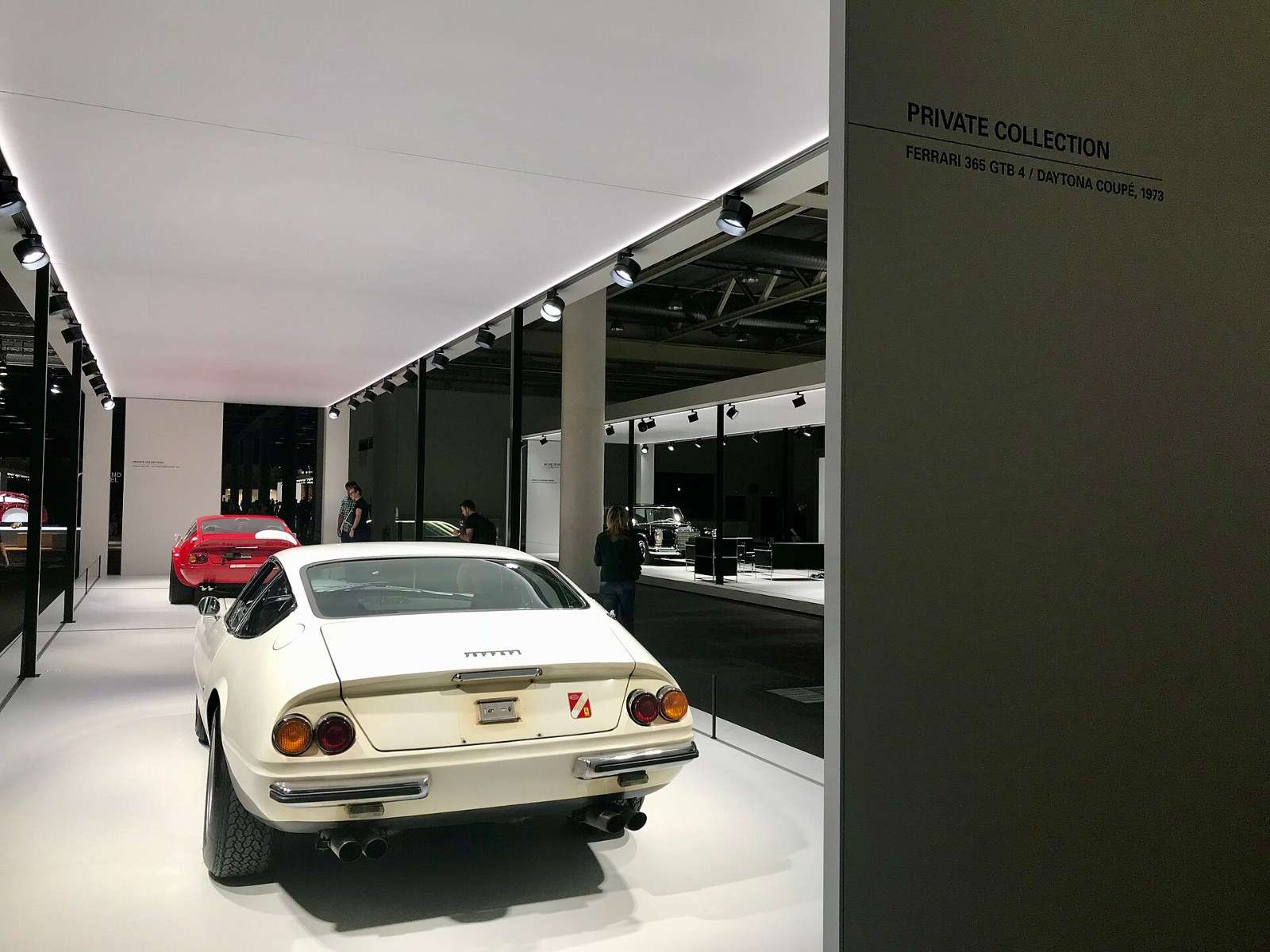
Chronology offers a useful first screen. The fixed headlights behind a clear cover gave way to pop-up lights in 1971, and the factory Spyder only entered production that year. A Spyder body on a chassis that was built with the earlier fixed-headlight nose is therefore a question that has to be answered, not a quirk to admire. (That is our inference from the production timeline, not a rule with no exceptions, so ask the seller to explain it in writing.)
Documentation Is the Whole Argument
The pattern will be familiar to MCC readers. On a Series 1 E-Type, the builder’s plate is a claim and the Heritage Certificate is the test. On an early 911, the certificate proves the spec and only a technical certificate tests the engine. On a Ferrari 308 GTB, the vetroresina body is only as valuable as the paperwork that proves it. The Daytona Spyder belongs in the same group, and its proof comes from Ferrari: the factory build record, Ferrari Classiche certification, and the work of independent marque historians such as Marcel Massini, who cross-reference chassis numbers against delivery and ownership history.
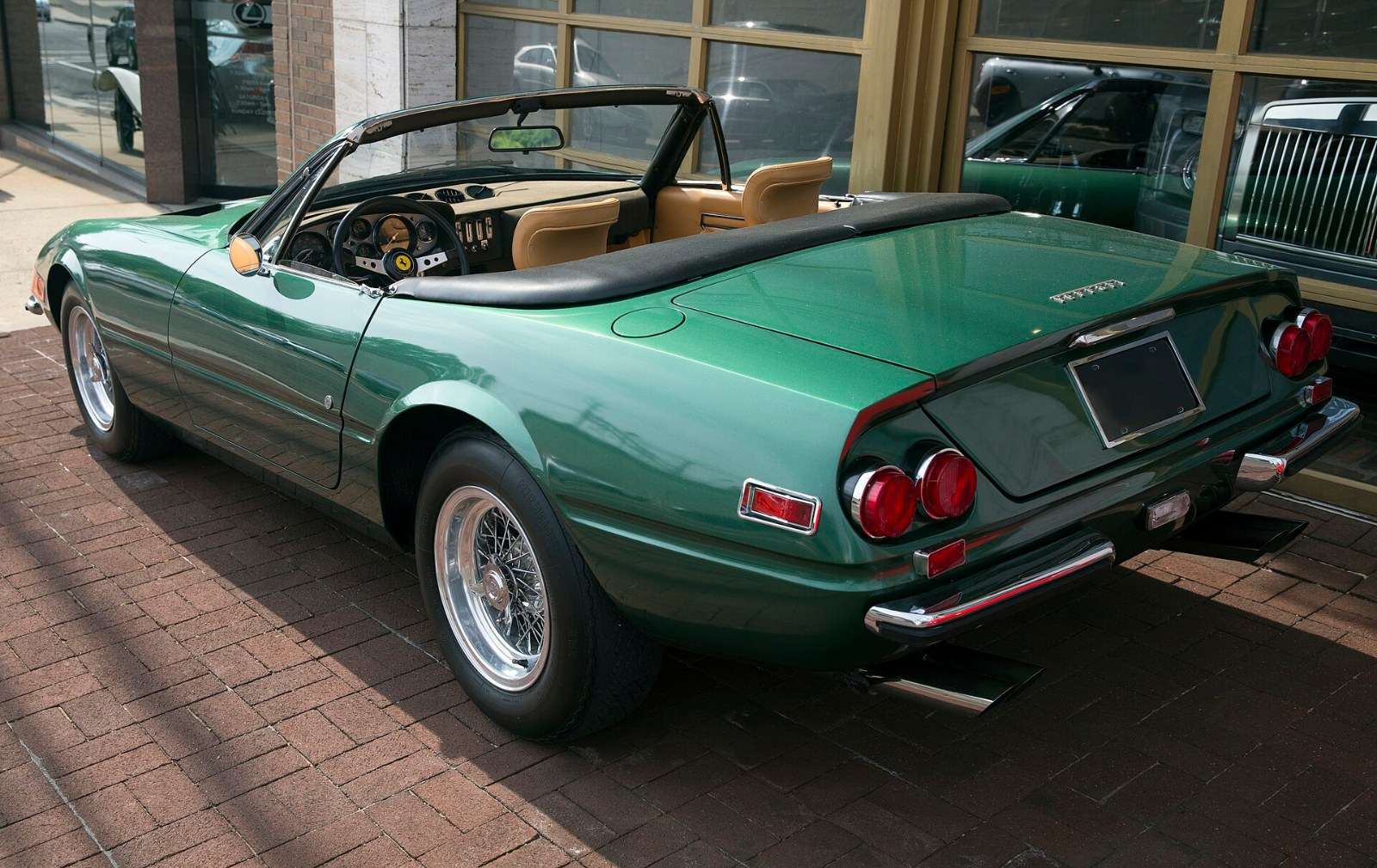
What that paperwork must establish is simple to state. The chassis was ordered and built as a GTS/4, the car’s body, engine and gearbox are the ones the factory recorded, and the visible structure agrees with the record rather than contradicting it.
What Buyers Must Verify Before Buying a Daytona Spyder
- The chassis number against factory records. Confirm that the chassis stamped on the car is a GTS/4 chassis in Ferrari’s own records, not a berlinetta number on a convertible body. Ask for the factory build sheet or the documentation that cites it.
- Ferrari Classiche certification. Ask whether the car holds a Classiche certificate and read what it actually says about the body style, the original color and which major components are original. A Spyder with no certificate is not condemned, but it should be priced with that in mind.
- The underlying structure. Have a Ferrari specialist inspect the inner fenders, rear bulkhead, sills and bracing. Steel, properly seamed work consistent with factory construction is a positive sign. Evidence that a coupe structure was cut, patched or reinforced after the fact is not.
- Matching numbers against the record. Check the engine, gearbox and rear-axle numbers against the factory documentation. A replaced engine changes value on any Daytona, but on a Spyder it should be disclosed and priced rather than discovered.
- Headlight and nose chronology. Compare the nose design to the car’s build date. A convertible body on a chassis built with the earlier fixed-headlight nose needs a documented explanation.
- Paint, interior and trim history. Inspect original color against the record, panel gaps and paint thickness around the rear deck and top area, and compare details such as mirrors, side markers, bumper bars and carpet binding with the correct specification for the market and year.
- Ownership history. Look for a continuous record. Gaps, especially in the 1970s and 1980s when most conversions were done, deserve direct questions and written answers.
- A pre-purchase inspection by someone with no stake in the sale. On a car that can swing by well over a million dollars on one fact, the fee is small.
How Originality Moves Daytona Value
Here is where we separate what is documented from what is interpretation. The documented facts are the production numbers, the dates and the sale results cited above. The interpretation is ours: a disclosed, well-built conversion belongs in a lower tier than a factory Spyder and has traded near coupe money; an undisclosed or poorly documented one carries a risk that a buyer should price as a discount or walk away from.
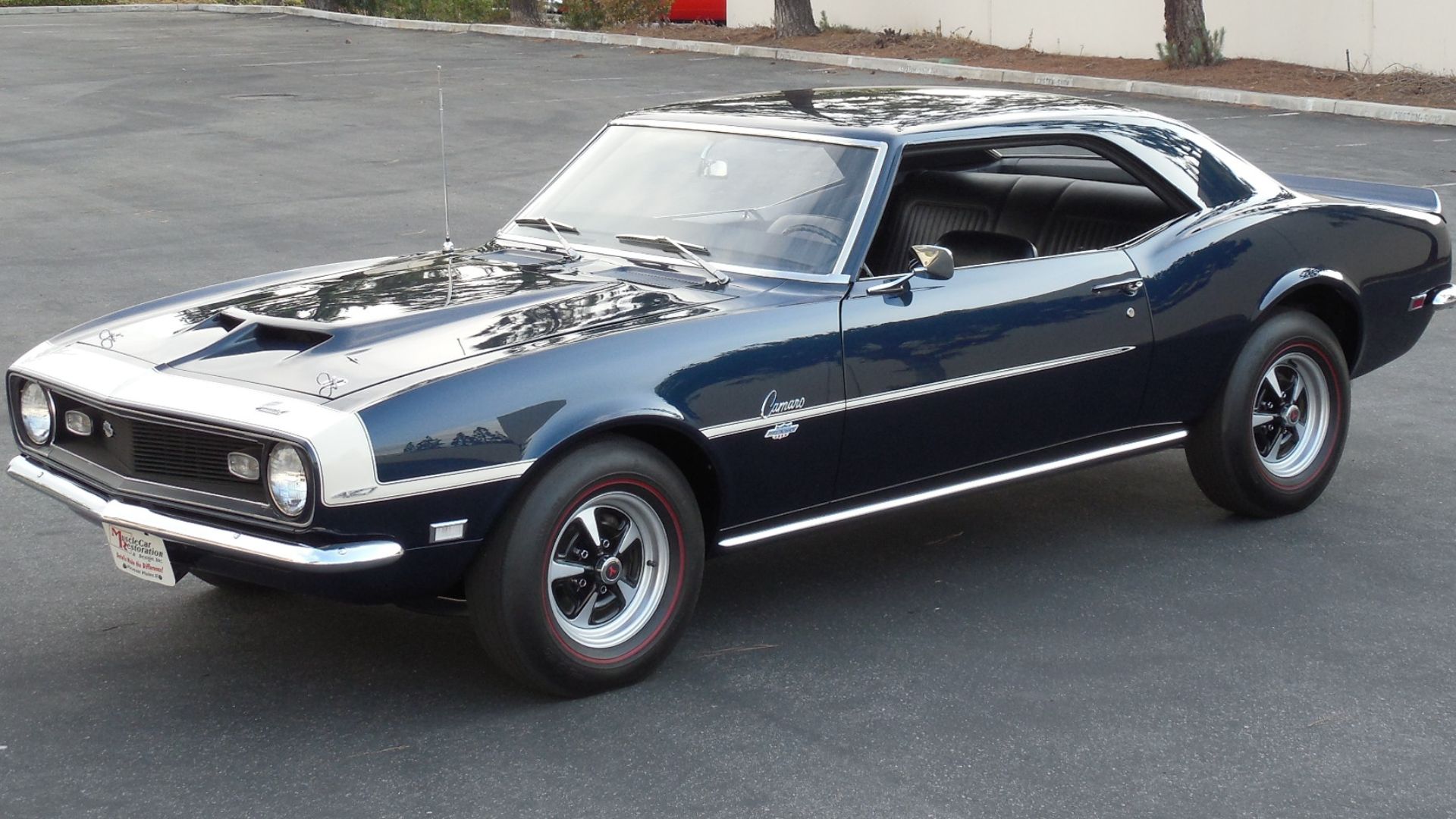
The same logic runs through the rest of the market. Buyers of a Boss 429 Mustang pay for the KK number and buyers of a 1969 Camaro Z/28 pay for the DZ engine pad, because each is the single fact that separates the real car from the lookalike. Even at the top of the market, recent movement in cars such as the Daytona SP3 and the Ferrari F40 shows that records and provenance carry the number as much as the badge does.
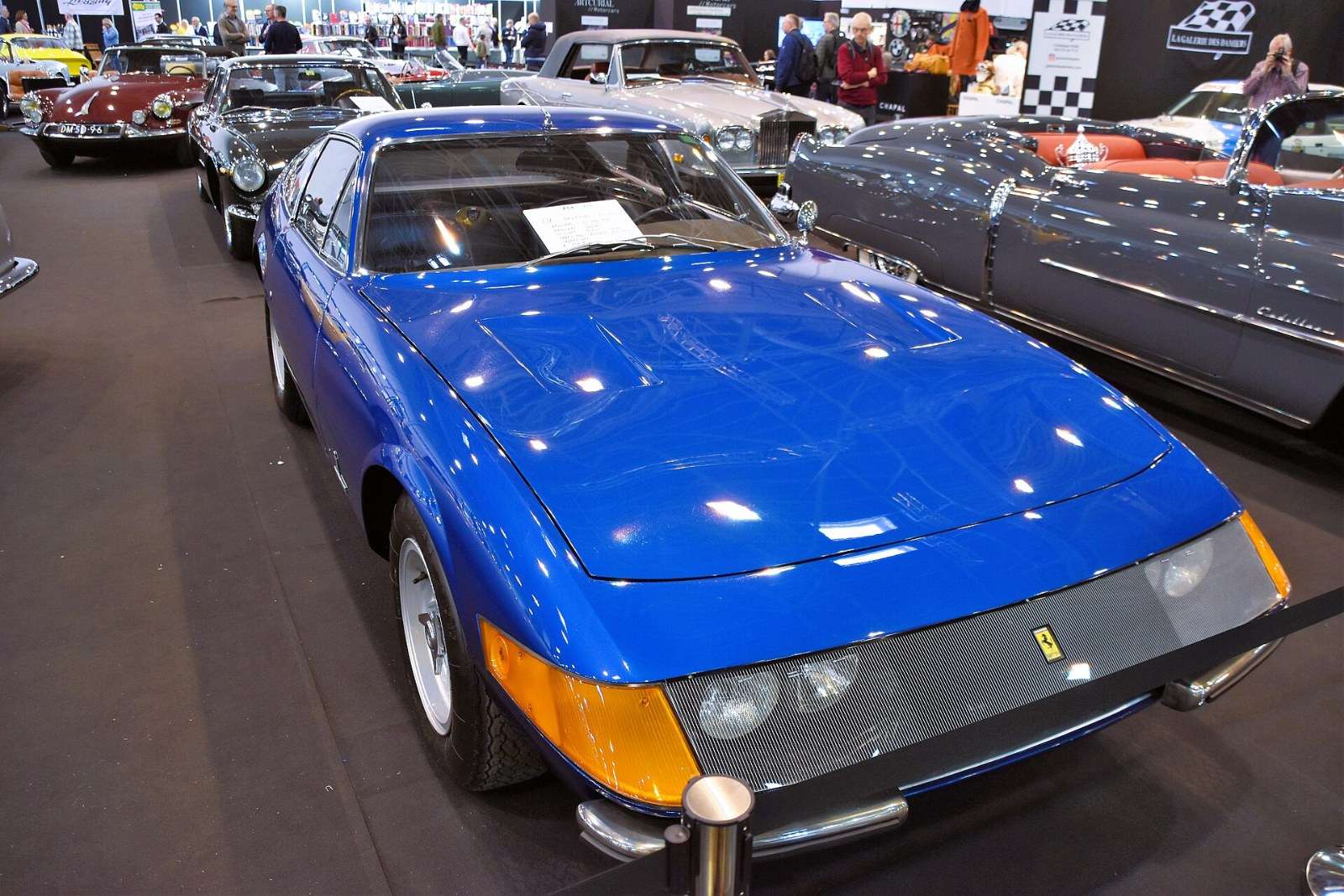
None of this makes the berlinetta the lesser choice. For many collectors it is the purer Daytona, and an honest, well-documented berlinetta can be the better buy than a doubtful Spyder at several times the price.
The Bottom Line
On a Ferrari Daytona Spyder, the roof is the least important thing to verify and the chassis record is the most. Price the car for what the paperwork proves, not for what the profile suggests, and make every claim about the body style arrive with a document attached.
The collector car market, every weekday morning.
Auction results, price moves and what’s crossing the block, read in four minutes. Free, from Modern Car Collector.
No spam, unsubscribe in one click. Or read more about the Brief.
 John Lloyd