

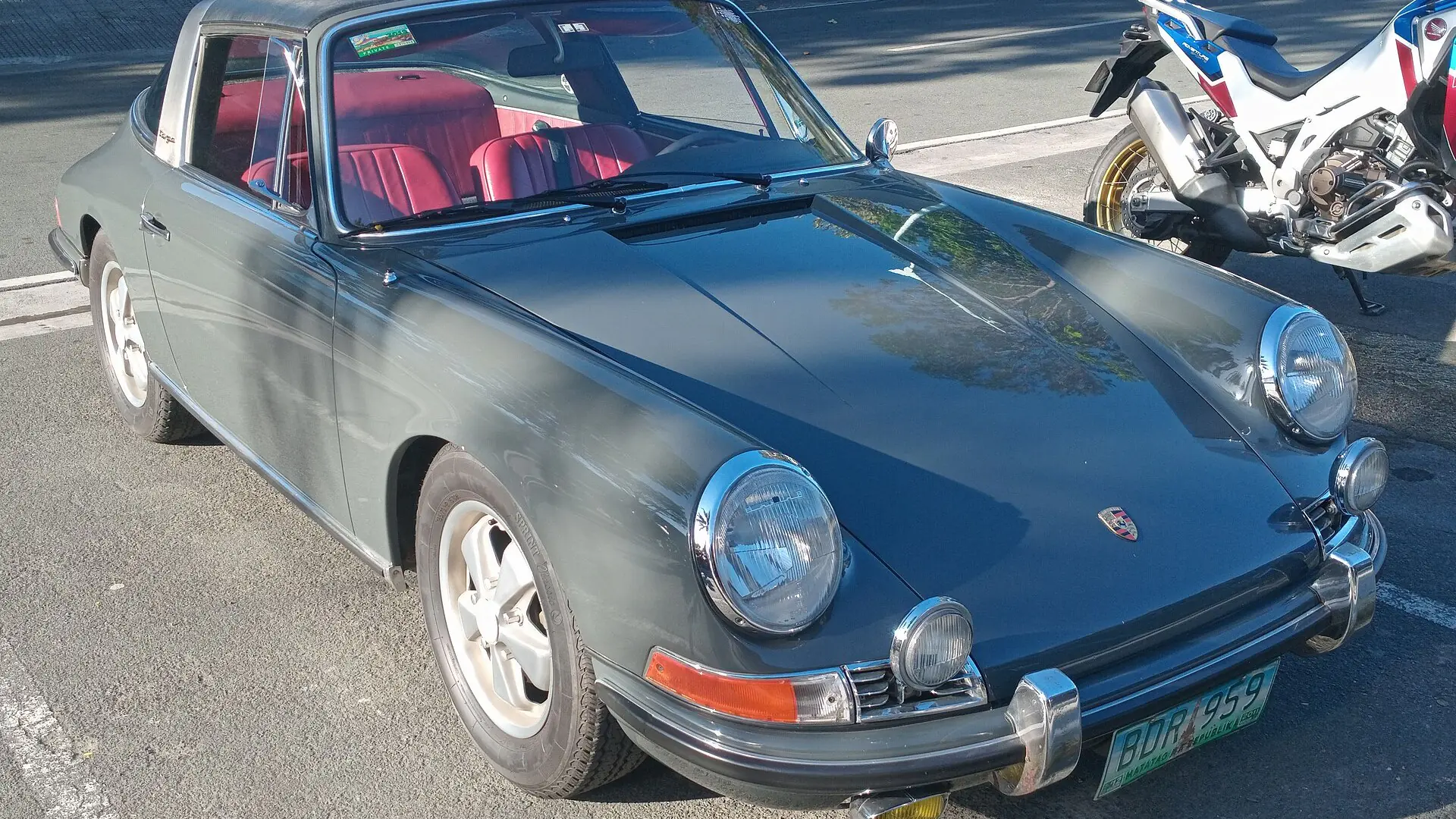
An early air-cooled 911 comes with a document that sounds like an answer: the Porsche Certificate of Authenticity. Buyers read it as a verdict on the whole car. It is not. Porsche’s own documentation page describes the successor to that certificate, the Porsche Production Specification, as a record of the car’s original factory build, and says it does not release engine or transmission information. For a car whose value rests on the flat-six behind the rear axle, that is the gap that decides the price.
The thesis: spec proof is not drivetrain proof
Collectors tend to treat “matching numbers” as one fact. On an early 911 it is at least two. The first is what the car left Stuttgart as: model, color, equipment, production date. The second is whether the engine and gearbox in the car today are the ones assigned to it at delivery. Porsche issues separate documents for each, and they are not interchangeable.
The Production Specification is built from the original Kardex build record. According to Porsche’s U.S. documentation FAQ, it covers street vehicles of any model year, costs $150, and lists the exterior color code, while excluding Sonderwunsch (special-order) and dealer-installed options. It involves no inspection of the car. The Classic Technical Certificate goes further: Porsche says it records the engine and transmission numbers and types currently in the vehicle and notes whether they match the original records, along with an assessment of the car’s present condition. It starts at $500, is ordered through a Porsche Classic Partner or qualified dealer, and covers the 911 F- and G-models among others.
Why this moves value
Early 911s are priced on authenticity at a level where a replacement engine is a negotiating point, not a footnote. Listings show the pattern. A 1965 911 offered on Hagerty Marketplace carried a certificate stating its original color, and had a later 2.2-liter 911T engine installed, with the original, rebuilt 2.0-liter engine included in the sale but not in the car. That is a documented and recoverable situation, and it is priced differently from a car where the original engine’s whereabouts are unknown. The size of that difference varies by model, year, and market, so ask any seller for comparable sales of both configurations rather than relying on a rule of thumb.
The same logic runs through the rest of MCC’s originality coverage. The Ferrari 308 GTB’s vetroresina body is only as valuable as the paperwork behind it, the 300 SL Gullwing’s data card decides whether “alloy” is fact, and the Series I Datsun 240Z turns on its number plates and hatch vents. Even at the top of the market, a single number can carry a story, as in the Ferrari F40 with engine No. 44. Early 911s follow the same rule.
What buyers should verify before purchase
Treat the following as an order of operations, and do not skip a step because the car looks right.
- Chassis number, in three places. Compare the number on the dash plate, the number stamped in the body, and the number on every document in the file. Any disagreement ends the conversation until a specialist explains it.
- Which document you are holding. If the seller offers a Certificate of Authenticity or a Production Specification, read it as proof of original configuration only. It does not tell you what engine is installed.
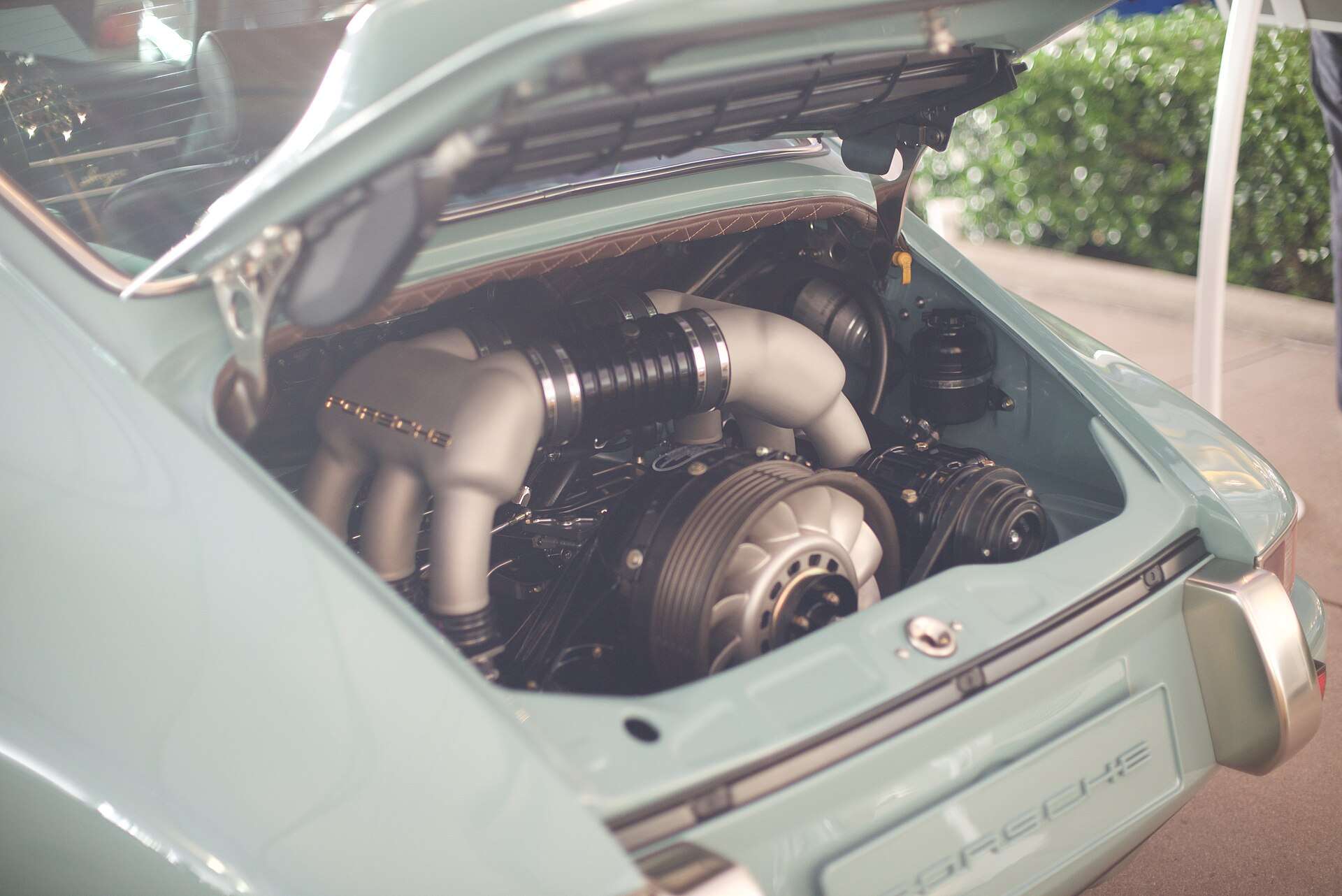
- The engine number and type, read on the car. Have the engine number and type code read off the crankcase by someone who knows where the stamping sits on that model year, and check it against the type Porsche originally fitted to that model. An S and a base car left the factory with different engines.
- The gearbox number and type, checked the same way.
- A Classic Technical Certificate. For a high-value car, ask whether one exists, or make a CTC from a Porsche Classic Partner a condition of the sale. It is the one document that compares the installed engine and transmission numbers to the original records.
- Color and equipment against the build record. A repaint is not a defect, but it should be disclosed and match the certificate’s story. In the Hagerty example, a car refinished from Ivory to Signal Red is documented, which is the right way for it to appear. Special-order and dealer-fitted items may not appear on a Production Specification at all, so a missing option on the paper does not by itself prove the car is wrong.
- The paper trail for the engine’s history. Ask for invoices for any rebuild, exchange, or replacement. A factory exchange engine is not the engine the car was built with, and the file should say so.
- Where the original engine went. If the car has a different engine, ask whether the original is included, what condition it is in, and whether its number is documented.
The things that look like proof and are not
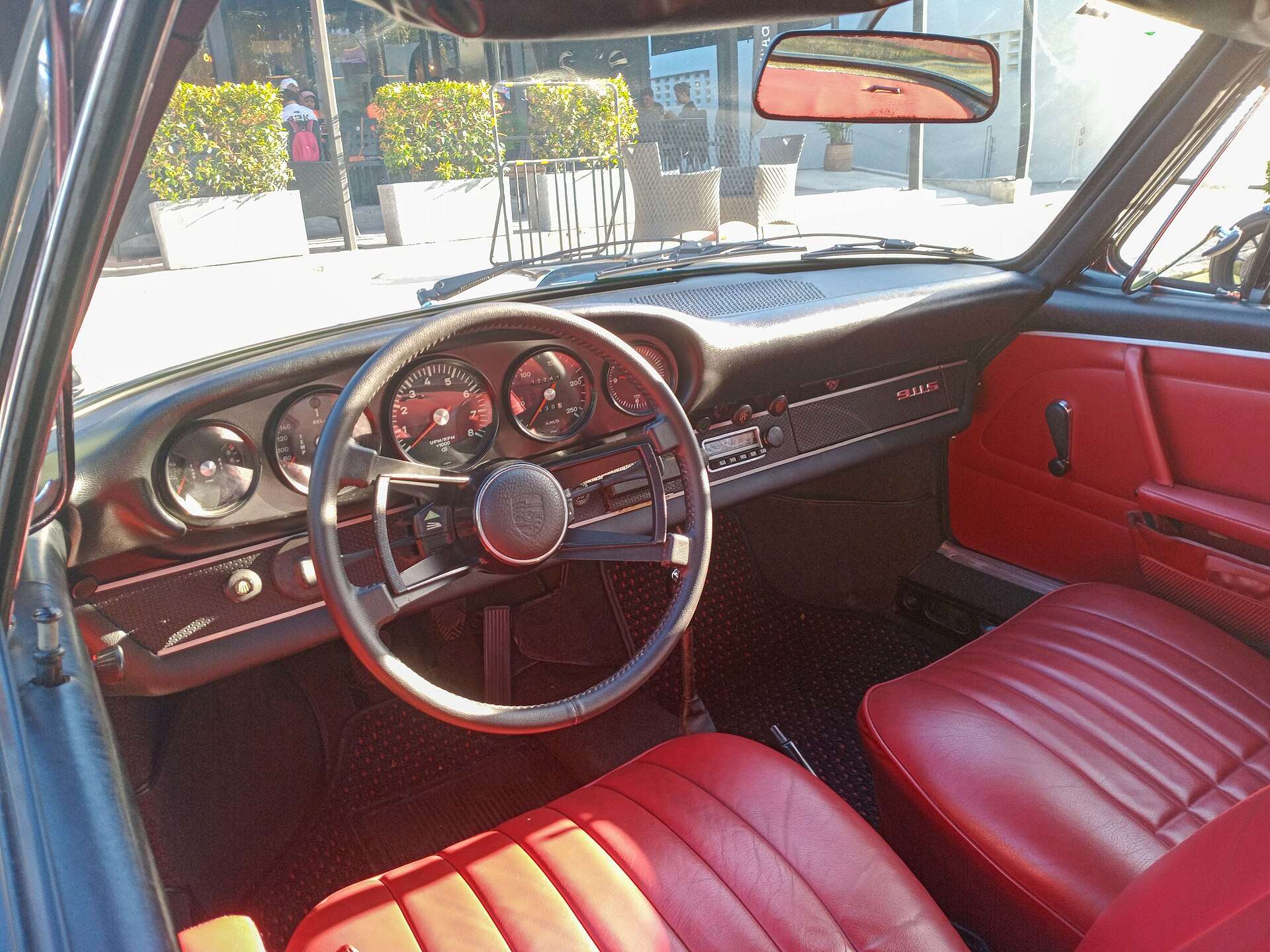
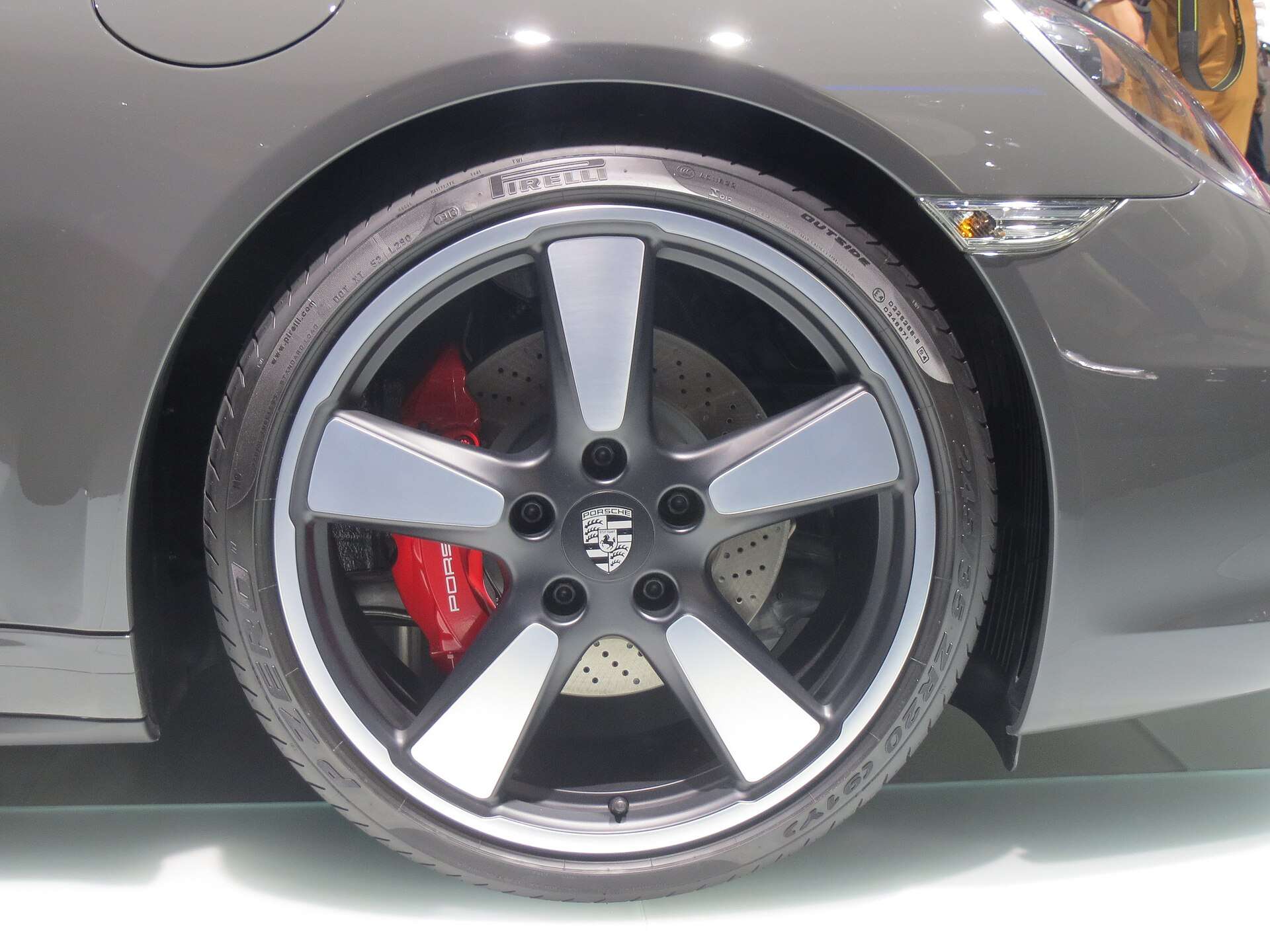
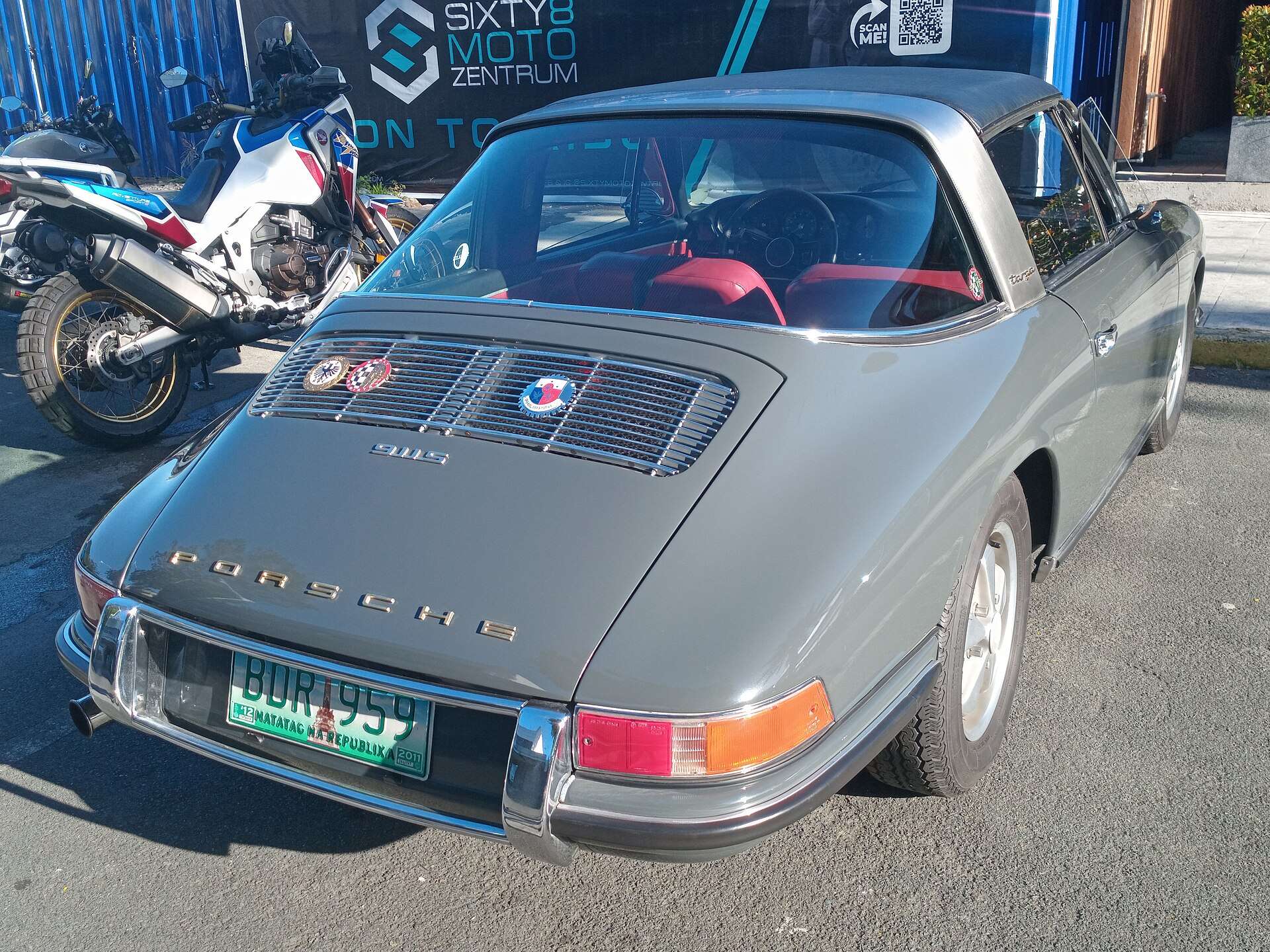
A clean interior, correct-looking badges, and period wheels all signal care, but none of them says anything about the engine. A Fuchs-pattern wheel is simple to inspect and easy to fit to any car.
The market has been rewarding evidence over presentation. Recent coverage of Fall Carlisle’s six-figure cars made that point, and the 997.2 GT3’s rise shows how quickly Porsche prices can move once buyers agree on what matters. For a sense of where the very top sits, see the most expensive Porsches ever sold at auction, and for a later Porsche bid on its own merits, the 993 Carrera RS lot.
The takeaway
On an early 911, the certificate in the folder tells you what Porsche built. It does not tell you what is in the car now. The buyer who pays for a Classic Technical Certificate, or at minimum a specialist’s inspection of the engine and chassis numbers, is buying the one piece of evidence that turns “numbers matching” from a claim into a fact. The buyer who relies on the seller’s wording is paying a premium for the claim.
Sources: Porsche U.S. vehicle documentation FAQ; Porsche Classic Technical Certificate page; Hagerty Marketplace listing for a 1965 Porsche 911. Pricing and eligibility reflect Porsche’s published pages at the time of writing and may change.
The collector car market, every weekday morning.
Auction results, price moves and what’s crossing the block, read in four minutes. Free, from Modern Car Collector.
No spam, unsubscribe in one click. Or read more about the Brief.


 Shawn Henry
  Eve Nowell