

Every lot in Hannes Daxecker’s collection will sell. That sentence is the whole story. When Humer, Granner & Co. opens the bidding in Feldkirchen an der Donau, Austria, at 2:00 p.m. on Saturday, 7 November, all 83 Mercedes-Benz automobiles and 50 motorcycles will go to the highest bidder, each one offered ohne Limit, without reserve (auction house catalogue page). A reserve is a seller’s opinion of what a car is worth. Remove it, and what remains is the market’s.
The 300 SL Will Make the Headline. It Won’t Make the Point.
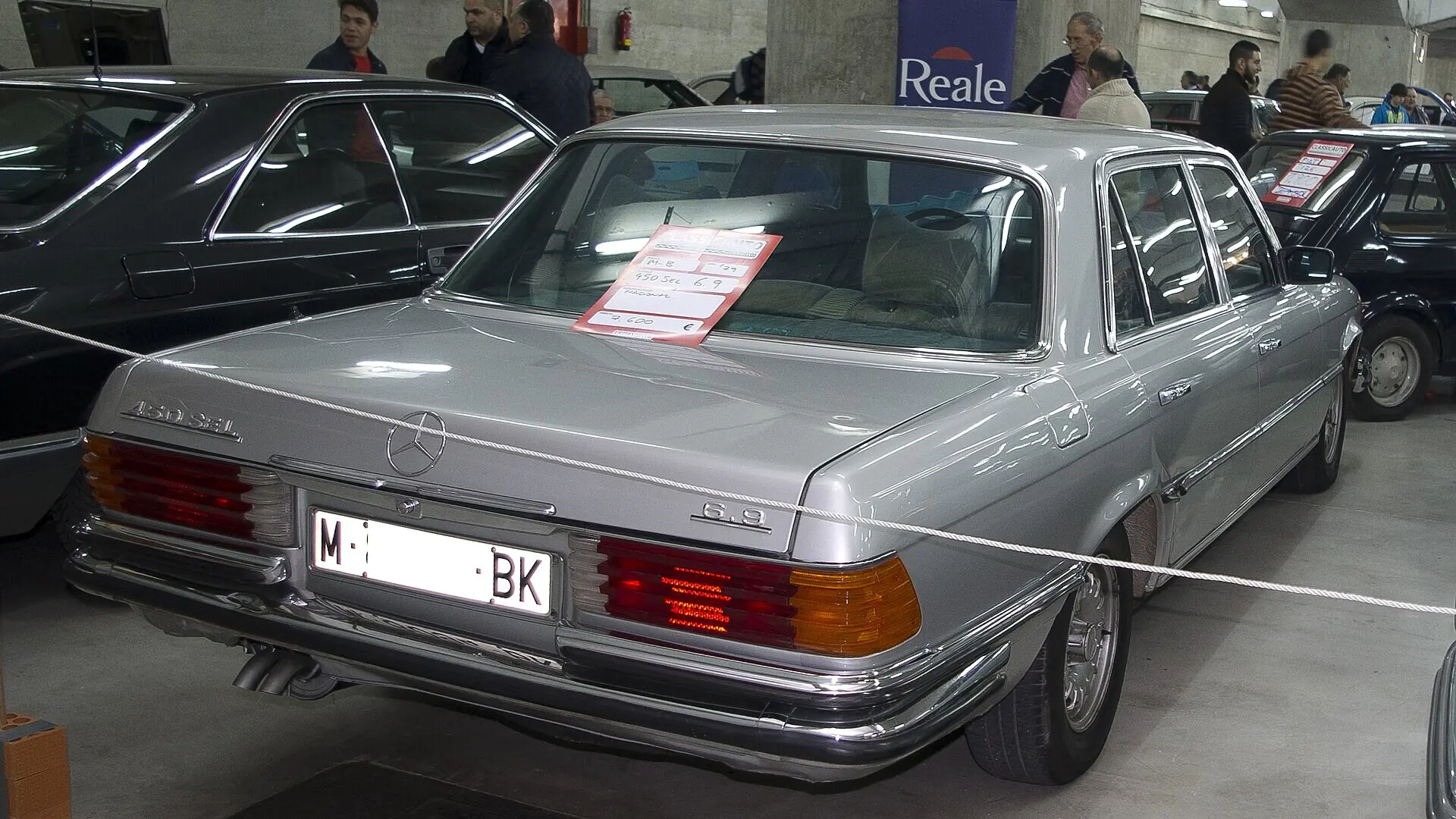
The opening call that will travel furthest is the 1959 300 SL Roadster at €300,000, by a wide margin the highest starting figure in the sale (Humer, Granner & Co.). Collectors know how to price this car. Only 1,858 Roadsters were built between 1957 and 1963, the comparables are deep, and the variables that separate a strong example from an average one are well mapped: matching numbers, factory colour, correct interior, and a file that survives scrutiny. We examined precisely that last point in our look at what paperwork is worth on a Gullwing. The Roadster will find its level because the market has already decided how to value cars like it.
Where the Real Price Discovery Happens
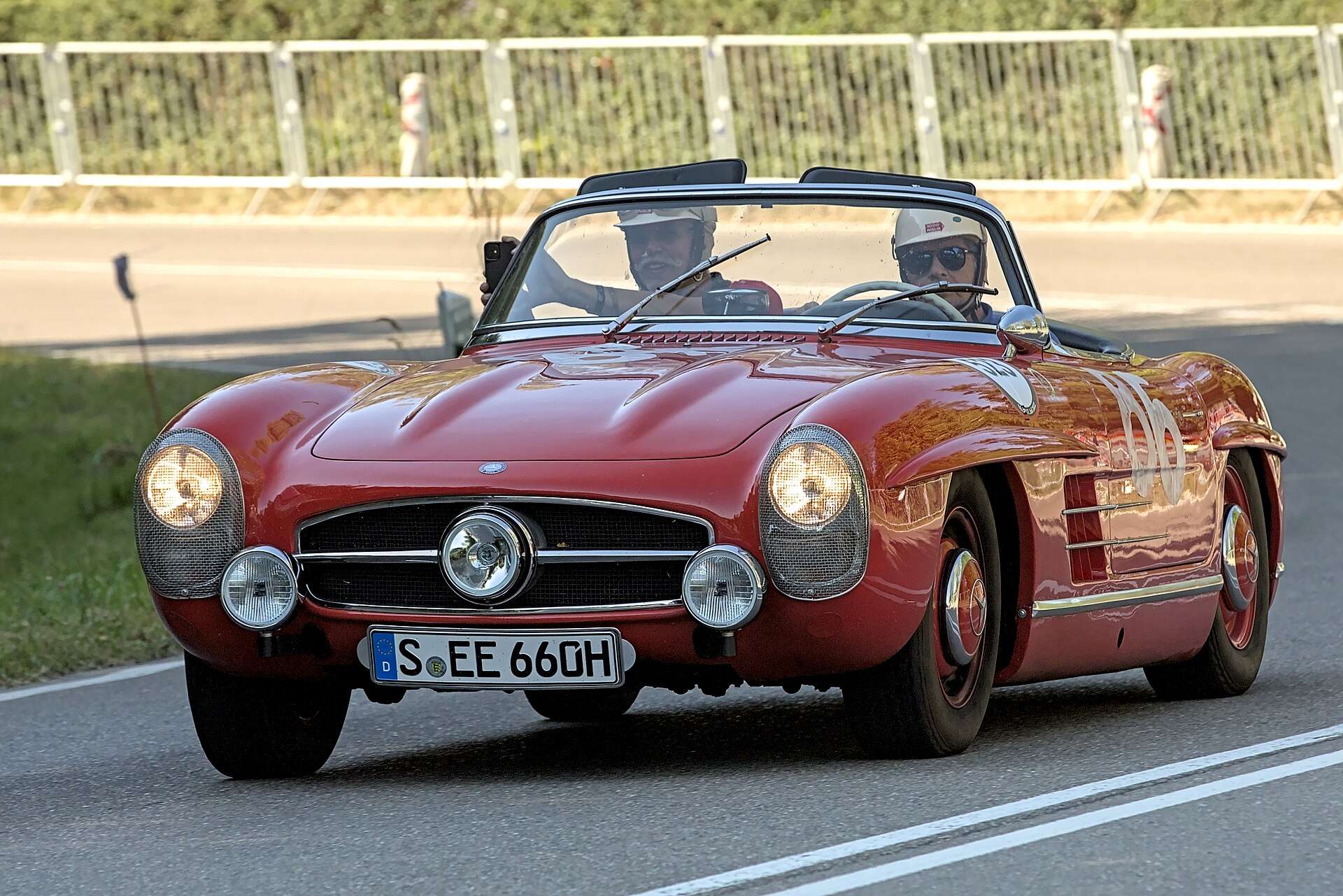
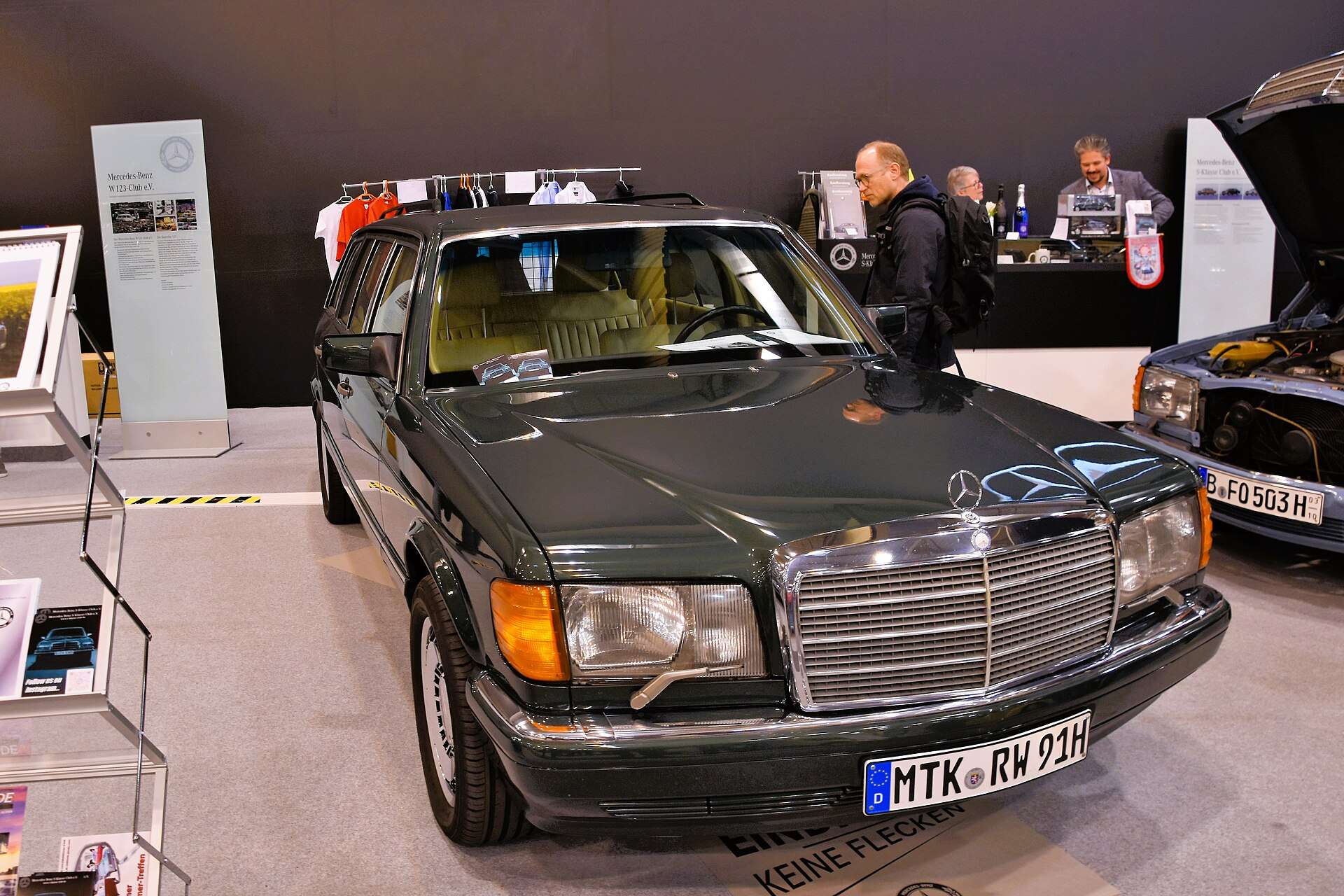
The more instructive lots are the ones the market has not finished pricing: the W116, W126 and W140 S-Class saloons that make up the bulk of the catalogue. Daxecker, by the account that accompanies the sale, built his collection around documented history and unusual factory colour rather than investment logic, and he pursued the S-Class with unusual consistency. According to reporting on the catalogue, a large share of these saloons open at or below €4,000. That is the number to watch, because it is the price of entry to a segment that has spent decades being treated as used luxury cars rather than collectibles.
The flagship of that group is the 1976 450 SEL 6.9, opening at €10,000. The 6.9 deserves the attention. Fewer than 7,400 were built, it was the first Mercedes saloon with hydropneumatic suspension, and its 6.9-litre V8 made it one of the fastest sedans of its day. The best examples are already behaving like collector cars, as we saw when a 450 SEL 6.9 emerged from a 20-year slumber and went straight into a full recommissioning. The question this sale poses is whether a documented, unusually coloured example wins a premium over the ordinary car, or whether condition alone sets the price.
Why the “Wilfert” 300 SE 6.3 Matters More Than Its Starting Call
Lot 19 is the car that rewards a historian’s attention. In 1968 Mercedes-Benz fitted the 6.3-litre V8 from the 600 into the W109 chassis and created the original super-saloon, the 300 SEL 6.3. All 6,526 production cars were long-wheelbase. The Daxecker car, a 1968 300 SE 6.3 on the short wheelbase, is described in the catalogue as a one-off associated with Karl Wilfert, who led body development at Daimler-Benz. It opens at €20,000.
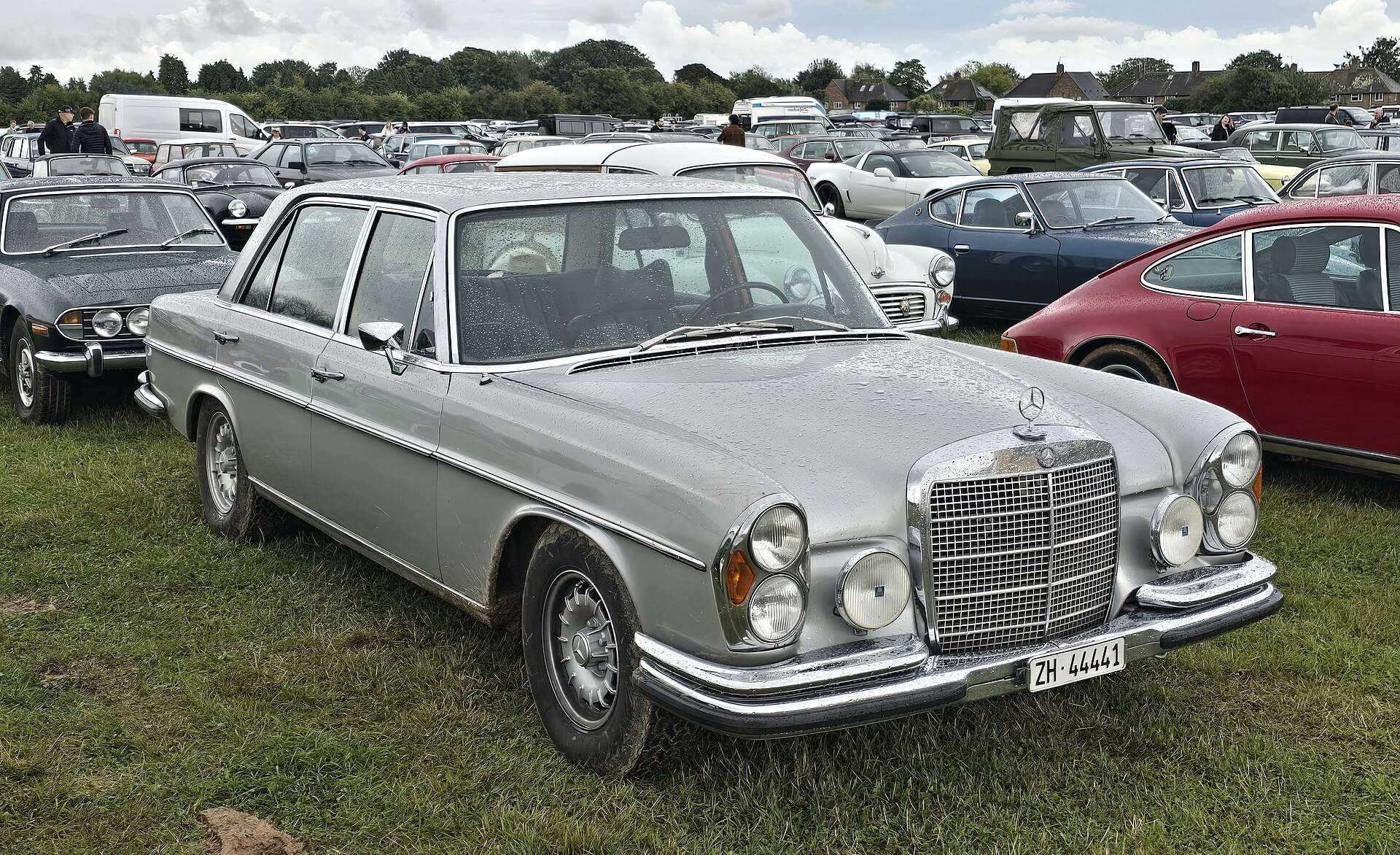
That figure is the point. Rarity alone does not create value; a one-off without documentation is simply an odd car. A one-off with factory provenance is a historical document on wheels, and it is the kind of object that a museum or a serious collection will eventually want. How the room treats it will say more about how collectors weigh provenance against polish than any six-figure result will. It is also why the distinction between documentation and authentication will matter to anyone bidding on it: a paper trail explains a car, but it does not replace the inspection.
The Seller Changes the Math
The Dutch museum Metropole, in Druten, is reported to have acquired the collection earlier this year and elected to disperse it rather than hold it together. An institutional seller choosing a single no-reserve afternoon over years of retail asking prices is unusual, and it creates a supply event in a thin segment. Dozens of S-Class saloons in one room will test depth of demand in a way no single listing can. Live online bidding through Invaluable widens the field beyond Central Europe, which matters most at the low end, where an enthusiast with a modest budget and a trailer competes on equal terms with the trade.
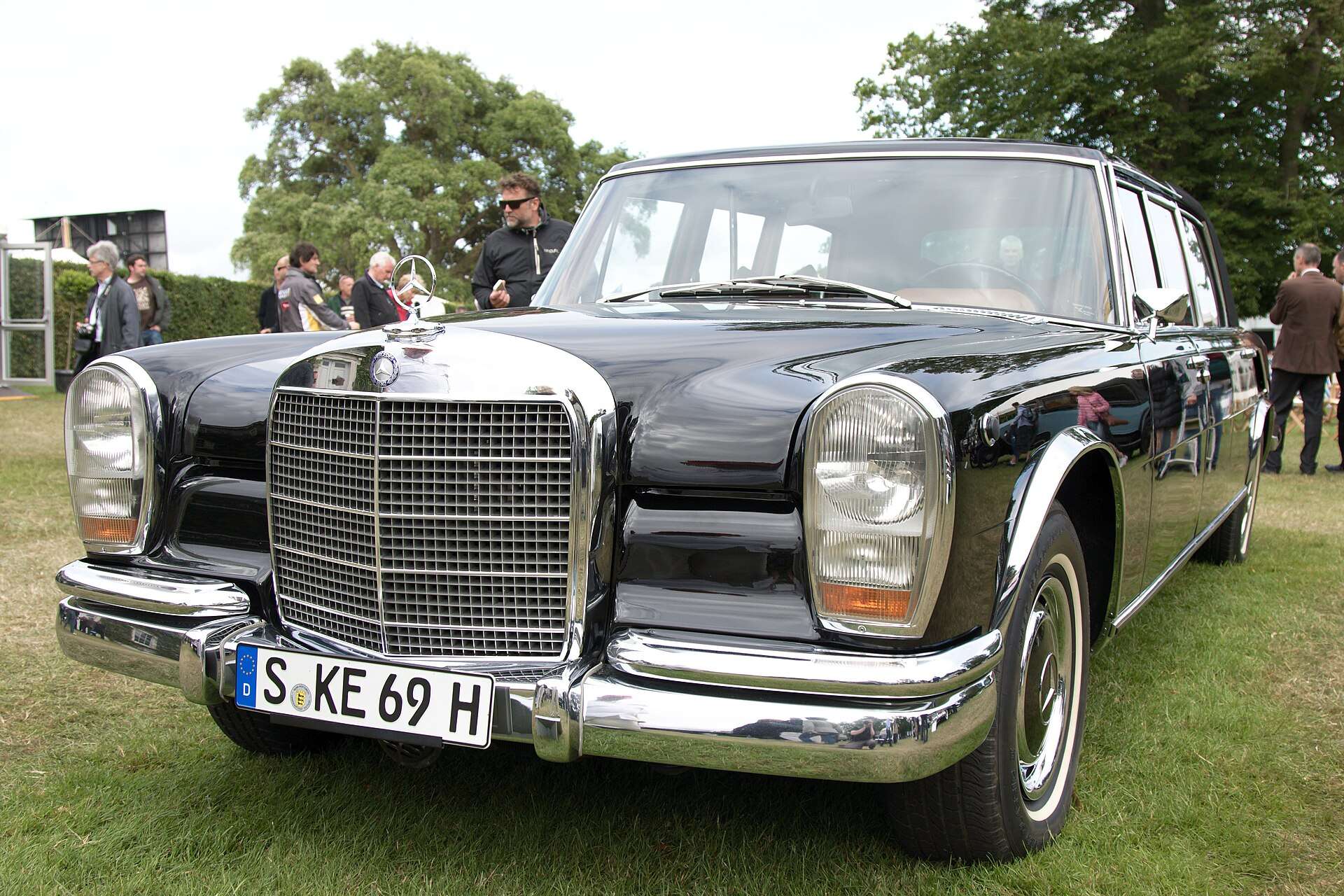
That low end is also where the sale intersects with the buyers we write for most often. Our guide to the best collector cars under $50,000 argues that the next generation of blue-chip candidates is still affordable. A V12 600 SEL or a first-series W126 sold on its own merits is that argument tested in public.
What Serious Buyers Should Watch
Three things. First, whether provenance from a recognised collection lifts ordinary cars above comparable retail asking prices. Second, whether unusual factory colour earns a premium in a segment dominated by silver, black and grey. Third, whether condition remains the dominant variable once the Daxecker name is attached. Viewing runs from 5 to 7 November, and no reserve does not mean no risk. Buyers outside the EU should confirm the buyer’s premium, VAT treatment and export procedure with the house before bidding.
The 300 SL will set the headline. The S-Classes will set the precedent. Collectors rarely pay a premium for the car; they pay for the story, and a no-reserve sale of a story-driven collection shows exactly what that story is worth when the seller cannot walk away. For more on how that dynamic plays out, see our coverage of no-reserve auctions.
The collector car market, every weekday morning.
Auction results, price moves and what’s crossing the block, read in four minutes. Free, from Modern Car Collector.
No spam, unsubscribe in one click. Or read more about the Brief.




 Kyle Matthews
  John Lloyd