

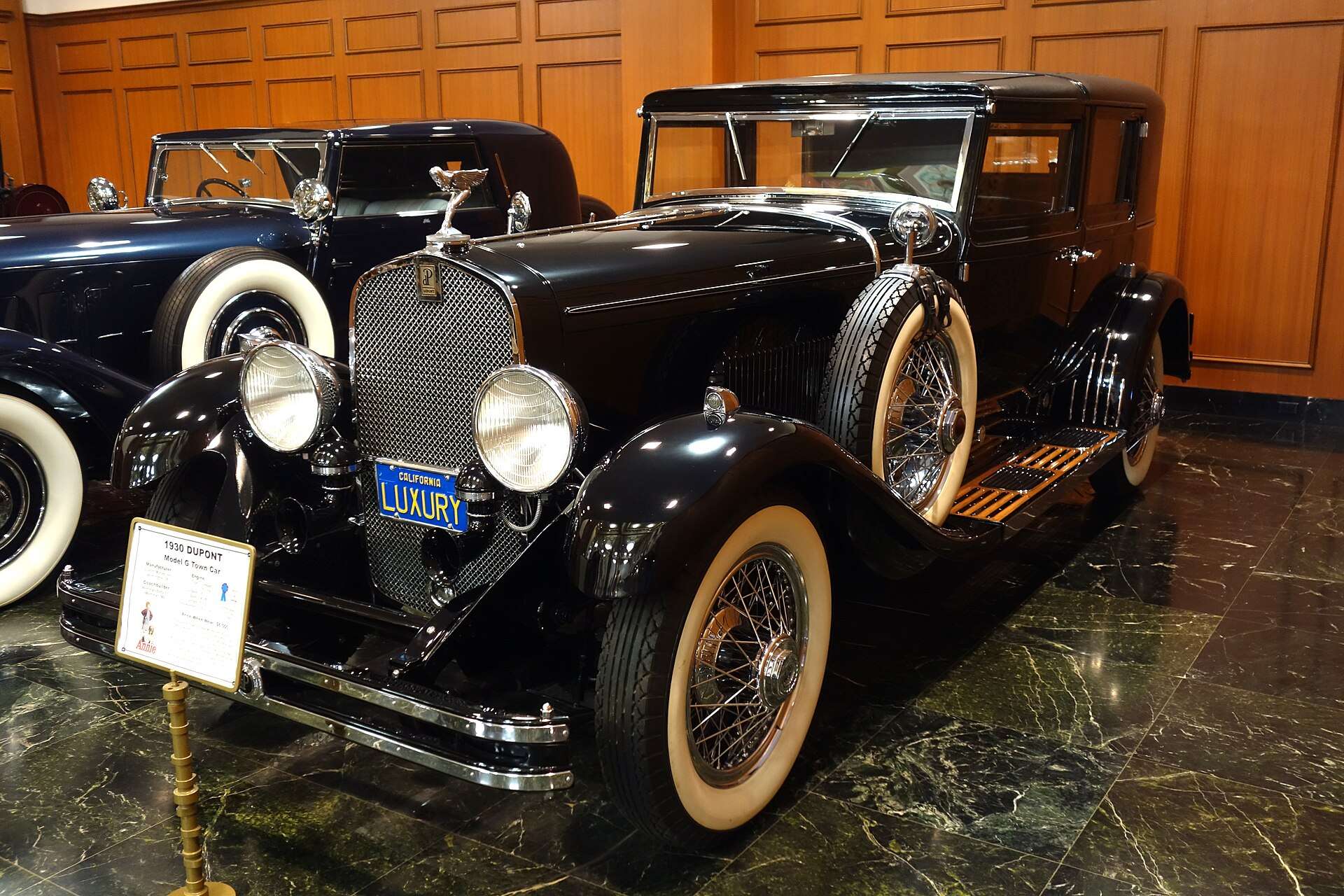
In 1956, J.B. Nethercutt reportedly paid $500 for a neglected 1930 duPont Model G town car and expected to have it finished in a few weeks. By published accounts, the job took more than 18 months and over $65,000. In 1958, the finished car won Best of Show at the Pebble Beach Concours d’Elegance. That sequence explains the Nethercutt Collection in Sylmar, California, better than any list of its cars: the machines are extraordinary, but the thing that made them extraordinary was the shop.
Pebble Beach’s own list of past Best of Show winners credits J.B. Nethercutt with six titles: 1958, 1959, 1969, 1970, 1980 and 1992. That total is widely described as the most by any individual entrant, and it was achieved with six different cars. A collection built on one marque or one body style does not usually produce that. This one did because its founder treated restoration quality as the collection’s real subject.
A cosmetics executive who restored his way into collecting
J.B. Nethercutt (1913–2004) was a Merle Norman Cosmetics man first. The company was founded in 1931 by his aunt, Merle Norman, and he rose to become its chairman and chief executive. Cars were the sideline that grew into an institution. According to published biographies, his 1956 purchases were a 1936 Duesenberg convertible roadster for about $5,000 and the duPont for about $500, both needing full restoration.
The detail collectors should note is what he bought: projects, not trophies. The duPont’s overrun, from a few weeks to a year and a half, is the kind of experience that either ends a hobby or builds a standard. For Nethercutt it built a standard, and the collection became the output of a restoration operation rather than a shopping list. In 1971 he built a ten-story tower in Sylmar to house the cars, and a self-guided museum building was later added across the street.
Six Best of Show wins, six different kinds of car
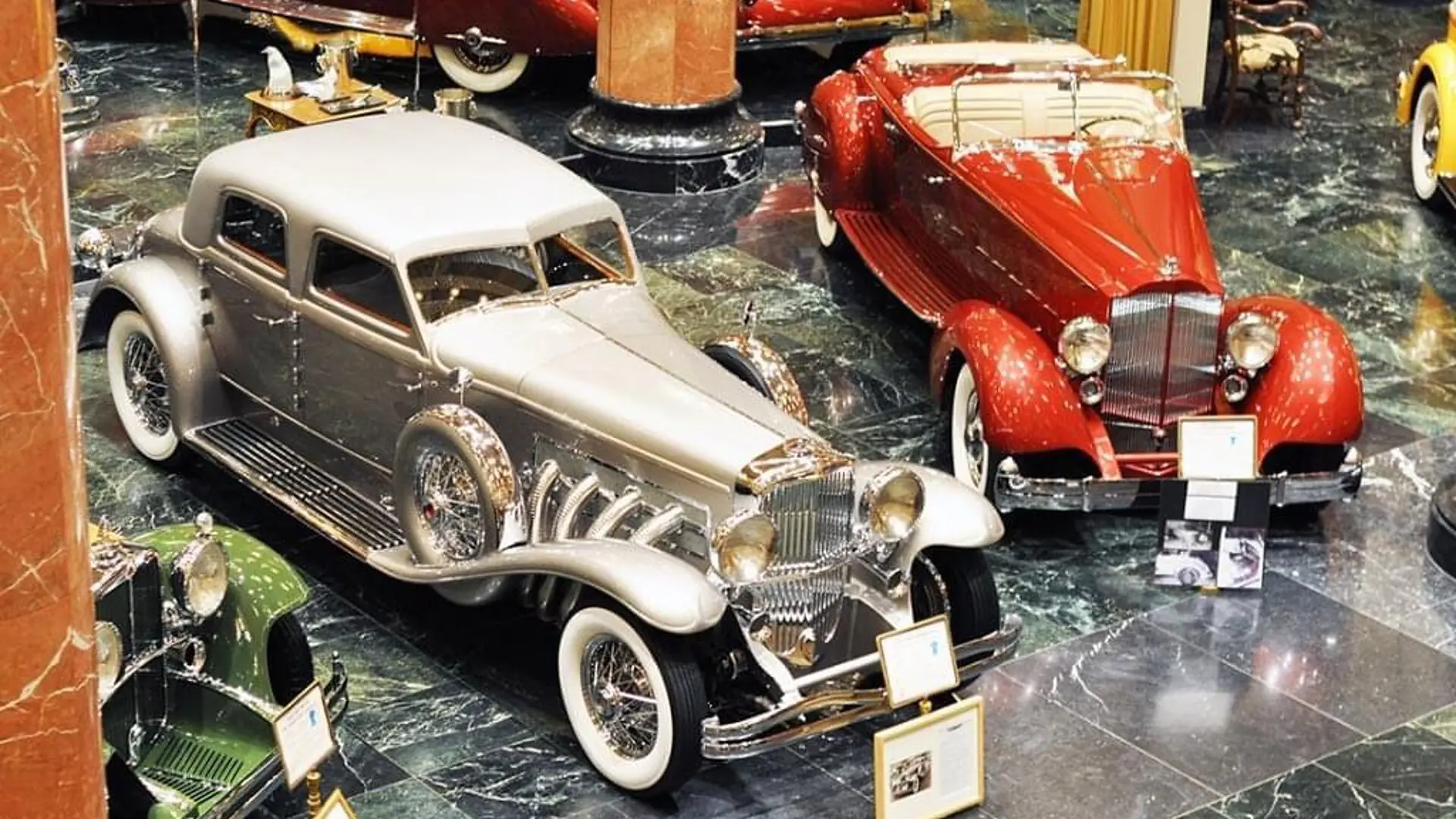
Pebble Beach’s winners list gives the six cars: the 1930 duPont Model G Merrimac town car (1958), a 1939 Bugatti Type 57C Atalante (1959), a 1934 Duesenberg J in Murphy dual-cowl phaeton style (1969), a 1931 Daimler Double-Six 50 Royal Limousine (1970), the 1933 Duesenberg SJ Rollston Arlington Torpedo Sedan (1980) and a 1929 Rolls-Royce Phantom II Brewster town car (1992). That spans French, American and British chassis, some with American coachwork, and open and closed bodies.
The interpretation worth drawing is about taste. Five of the six are closed or town-car bodies, with the Murphy-style Duesenberg the lone open car, which is not the obvious route to a concours trophy. Pebble Beach later named an award for J.B. and Dorothy Nethercutt, the Most Elegant Closed Car prize, so the show itself has memorialized the category his collection helped legitimize.
Twenty Grand: the car that explains the Nethercutt Collection
If one car carries the collection’s argument, it is the “Twenty Grand.” It is a one-off 1933 Duesenberg SJ with Arlington Torpedo Sedan coachwork by Rollston, styled by Gordon Buehrig as a showpiece for the 1933 Chicago World’s Fair. Its supercharged straight-eight is commonly quoted at 320 horsepower. The nickname comes from its reported $20,000 price in the depths of the Depression, roughly ten times what a typical house cost, by one published comparison.
Nethercutt acquired the car in 1979, reportedly for $130,000, restored it, and won Best of Show at Pebble Beach with it in 1980. Published accounts add later Best of Show wins at Amelia Island in 2011 and the Las Vegas Concours in 2022, though those are less well documented than the Pebble Beach record. In August 2026, the 75th Pebble Beach Concours reunited four cars from the 1933 Chicago World’s Fair, the Twenty Grand among them.
A caution on value: no verified auction result or appraisal for the Twenty Grand has been published, and the collection has never offered it publicly. Figures in the tens of millions of dollars circulate in secondary sources, but they are estimates. For a sense of where documented Duesenberg money sits today, see MCC’s coverage of the Gable Duesenberg’s $9.08 million Monterey result and our analysis of a Murphy-bodied Model J’s provenance.
The coachbuilt era, preserved as a set
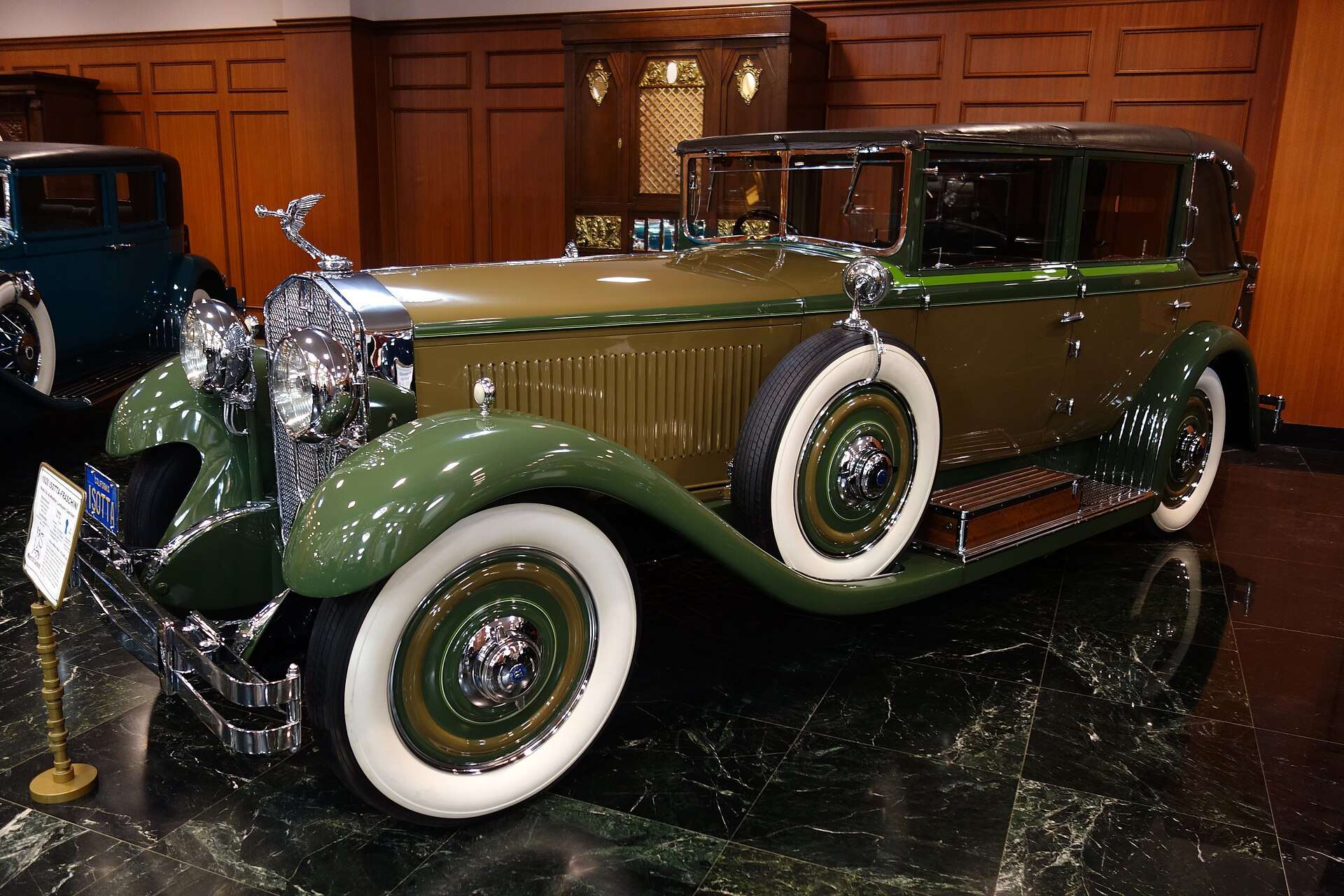
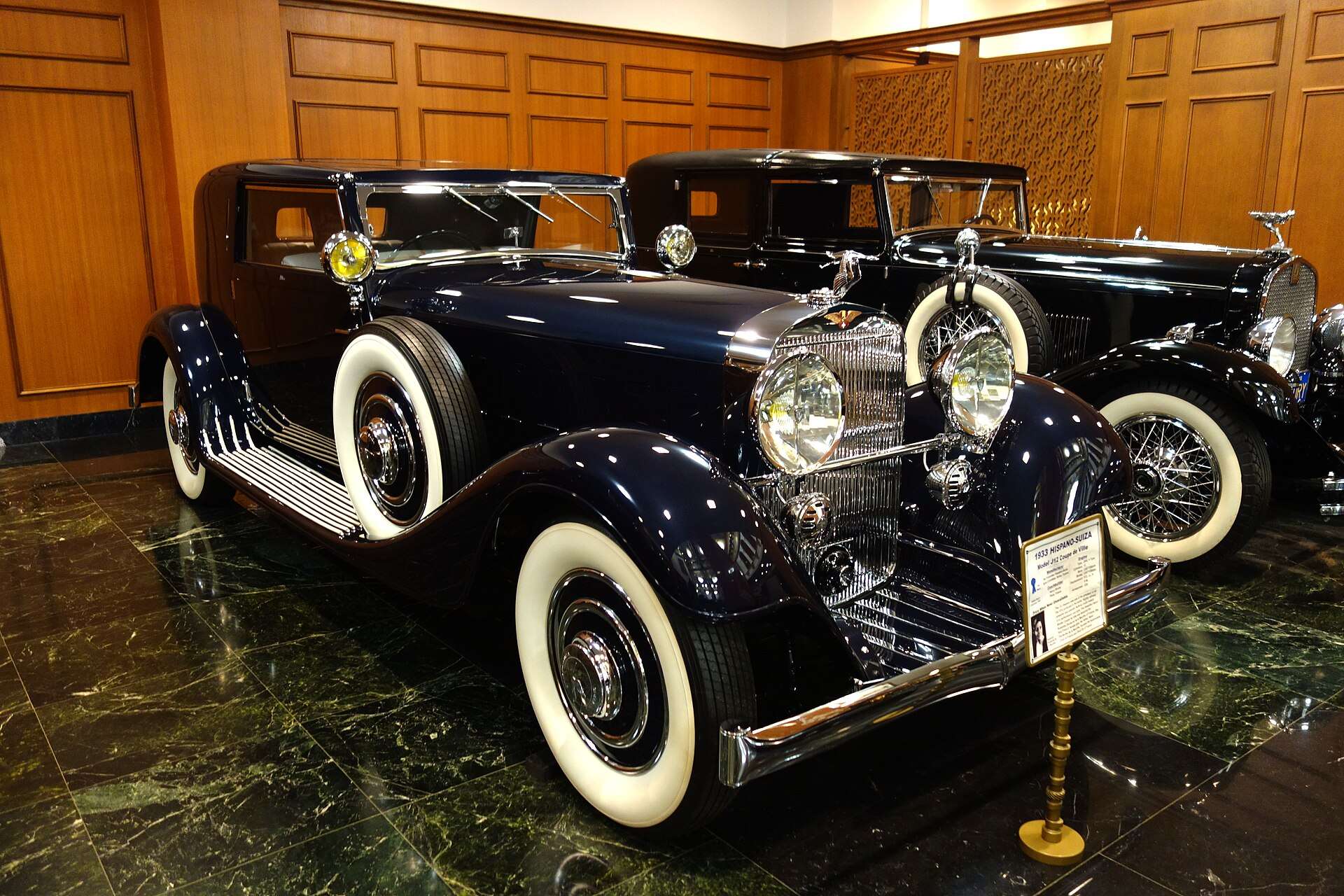
Beyond the Duesenbergs, the collection is strongest where European chassis met independent coachbuilders. The Isotta Fraschini Tipo 8A, built from 1924 to 1931 with a 7.4-liter overhead-cam straight-eight, was sold as a chassis and, according to published figures, around 950 were made, with roughly a third going to the United States. The Hispano-Suiza J12 (1931–1938) used a 9.4-liter V12 rated at about 217 horsepower and was likewise delivered as a bare chassis for a coachbuilder to finish.
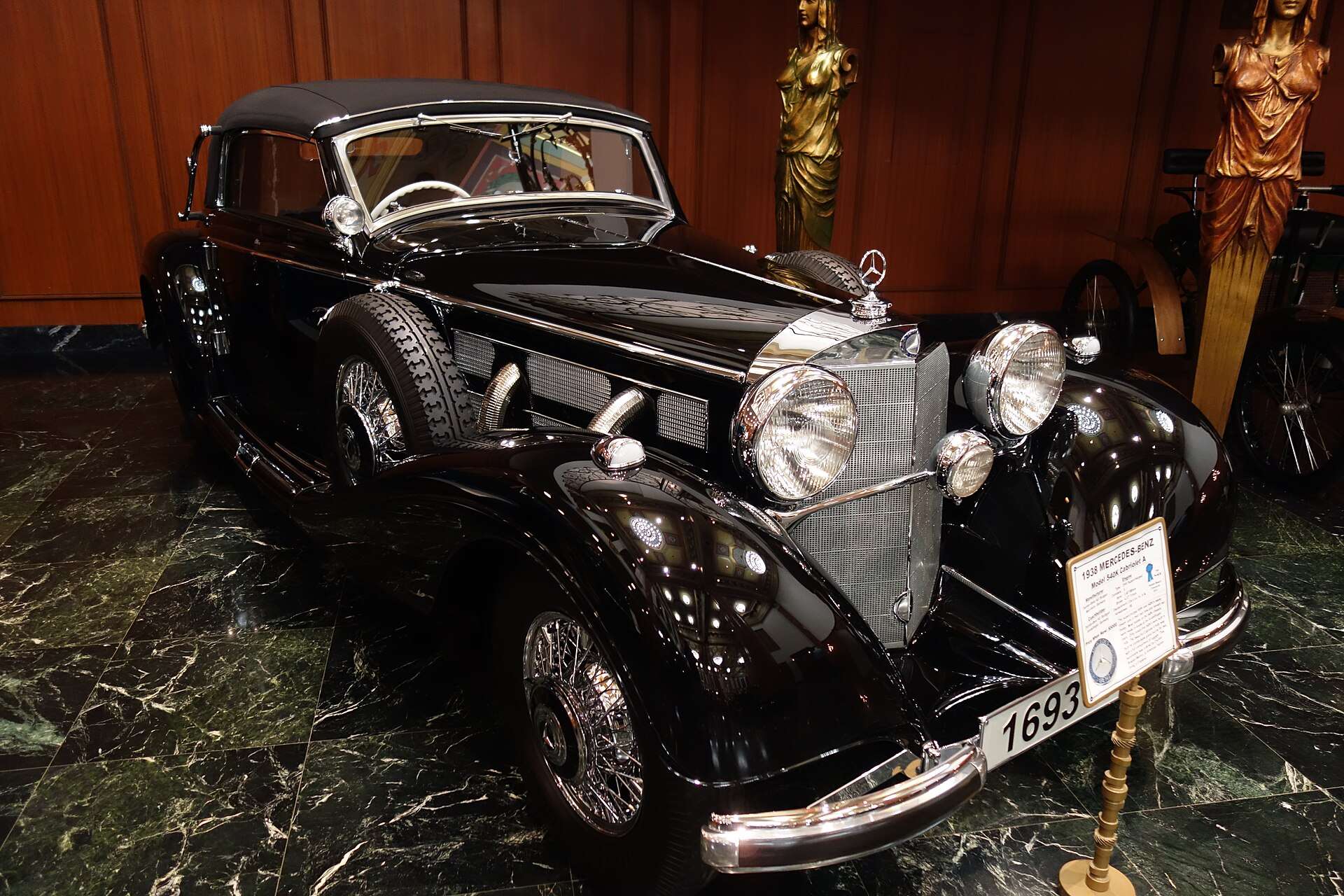
The Mercedes-Benz 540K, with its 5.4-liter supercharged straight-eight rated at 115 horsepower unblown and 180 with the supercharger engaged, belonged to the same tradition from Sindelfingen. The Cabriolet A is the sporting two-seater of the family, with about 116 delivered. Together these cars document a short moment when the most expensive cars in the world were individually designed objects. A set that spans them is more historically useful than any single example.
Preservation, access and what “restored” means here
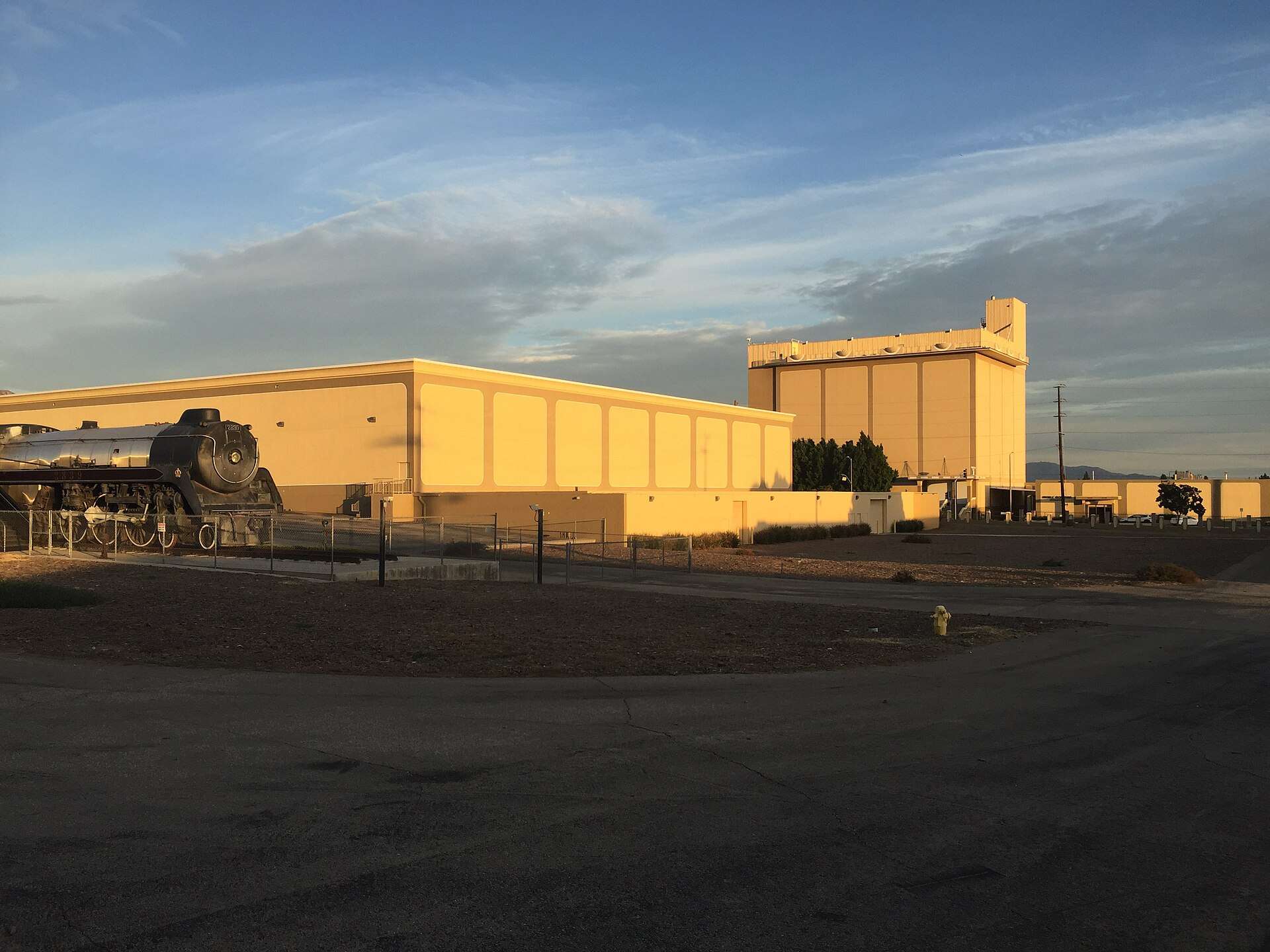
Per the Nethercutt Collection’s own description, it holds more than 200 restored American and European automobiles along with mechanical musical instruments and antique furniture. The Collection building has two floors of automobiles and two of musical instruments and is open by guided tour only. The Museum building across the street displays about 130 automobiles, a 1937 locomotive and a railcar. The restoration shop itself is not open to the public, and the family says it continues to restore museum-quality cars.
For collectors, the originality angle matters. These are restored cars, finished to concours standard, not unrestored survivors, and the collection reflects the restoration-first school of the 1950s through the 1990s. That is not a criticism. It is context that helps when comparing the way these cars are judged today with the value that unrestored, documented originals now command.
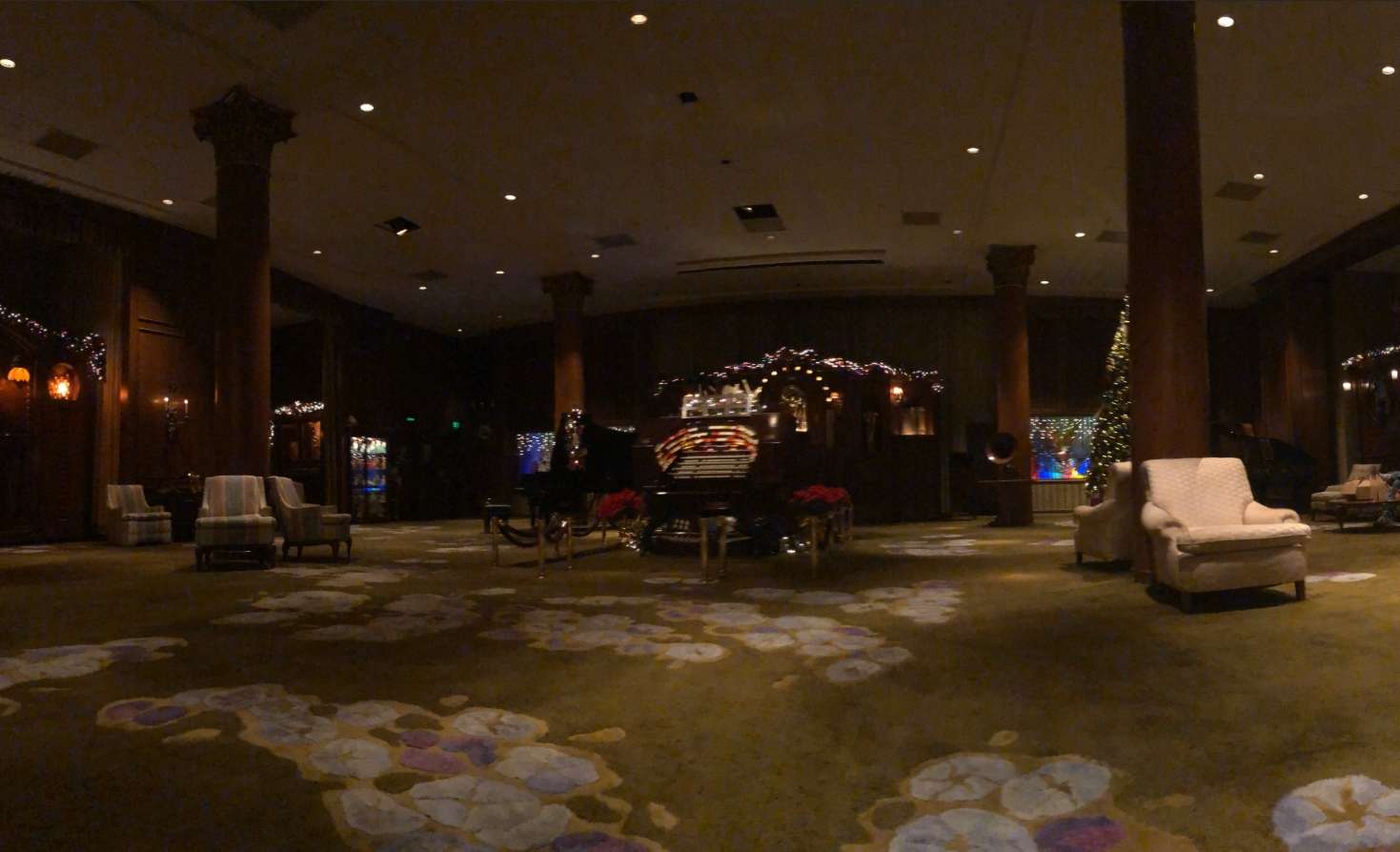
The music room is the other half of the story. J.B. Nethercutt was posthumously inducted into the American Theatre Organ Society Hall of Fame in 2005, and the fourth-floor music room is part of why the property reads as a house-museum rather than a garage.
Leadership has stayed in the family. J.B. died in 2004 at age 91, and his son Jack Nethercutt and Jack’s wife Helen now serve as chairman and vice chairman of Merle Norman and as chairman and director of The Nethercutt Collection.
Why the Nethercutt Collection matters
Many famous collections are defined by acquisition: the right cars at the right time. The Nethercutt Collection is defined by transformation, with a standard of restoration applied for decades to a very wide field of marques, and it remains intact and open at a time when other great collections have been scattered. For other collections where the story is what happened to the garage, see MCC’s Collection Spotlights on the Harrah Collection’s 2026 edit and Prince Rainier III’s Monaco garage.
Visitors should confirm current hours, reservations and pricing directly with the Nethercutt Collection before traveling, as the official site lists guided tours by reservation and the details on separate pages do not fully agree.
Sources and further reading: Pebble Beach Concours past Best of Show winners; The Nethercutt Collection; Pebble Beach Concours on the 1933 World’s Fair reunion; J.B. Nethercutt biography; Twenty Grand (Duesenberg).
The collector car market, every weekday morning.
Auction results, price moves and what’s crossing the block, read in four minutes. Free, from Modern Car Collector.
No spam, unsubscribe in one click. Or read more about the Brief.

 EL Puckett