

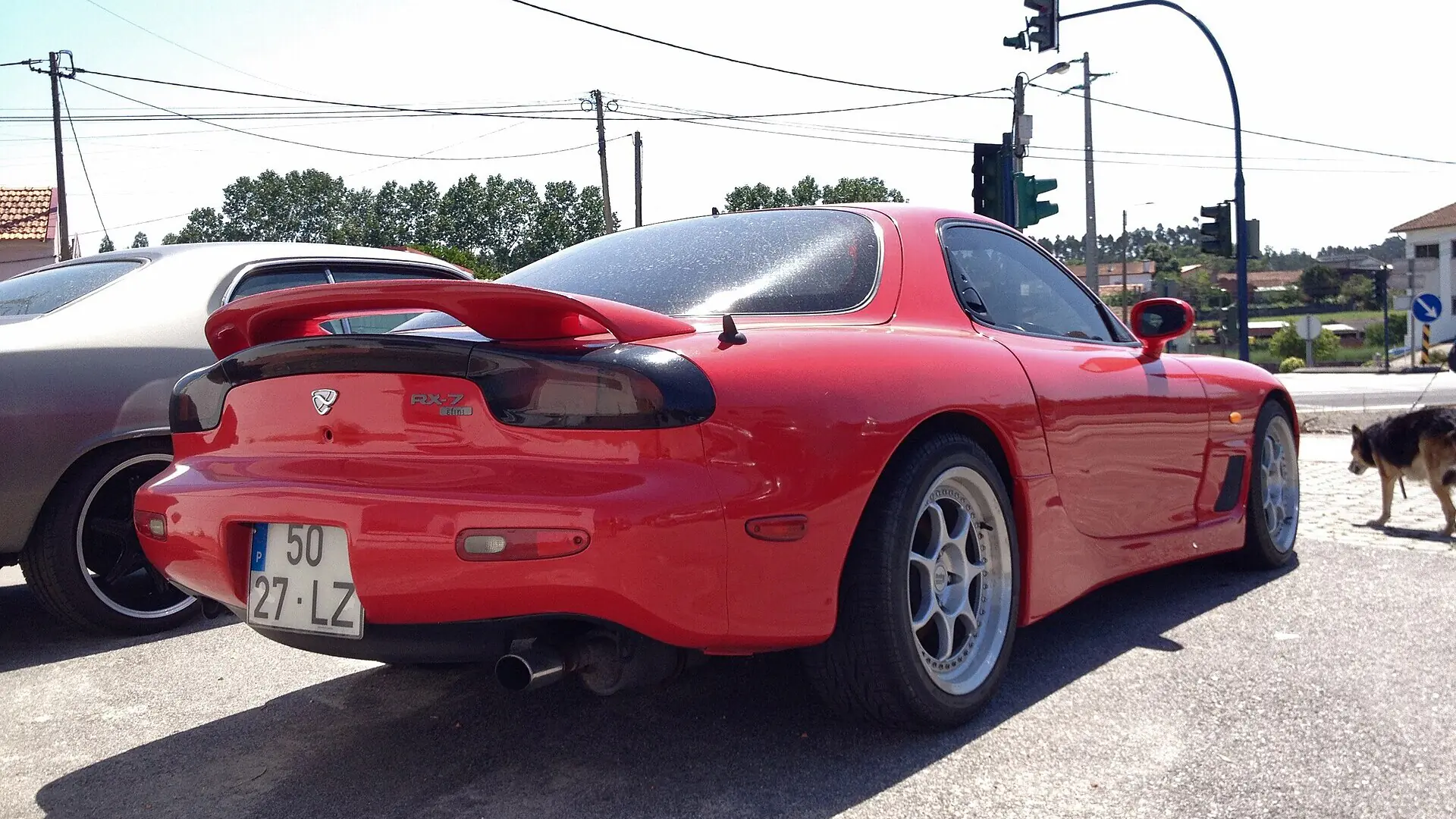
The 1990s Japanese turbo coupe has sorted itself into tiers, and the sorting is not what the badges would predict. A Mazda RX-7 FD, a Nissan 300ZX Twin Turbo and a Toyota MR2 Turbo were built to chase the same buyer: someone who wanted supercar-adjacent speed in a $19,000 to $34,000 package. Today they chase the same collector, and the useful question in an RX-7 vs 300ZX Twin Turbo vs MR2 Turbo comparison is not which car is best. It is which ownership problem you would rather buy.
The thesis of this comparison is simple: within each model, the gap between a tired, modified car and a low-mileage original is far wider than the gap between the models themselves. Sold-price data from Classic.com shows an unmodified low-mile Z32 reaching $64,350 at Mecum on October 22, 2026, while another Twin Turbo changed hands at $12,840. The MR2 Turbo ran from $5,200 to $40,500 over the past nine months. Condition and originality set the price; the badge sets the ceiling.
We have covered this corner of the market from other angles, including the Toyota Supra Mk IV spec sheet, the Mitsubishi 3000GT VR-4 and the most expensive Supras sold at auction. This piece deliberately leaves those cars out and looks at the three rivals that sit one rung below.
Three Cars, One Brief: History and Significance
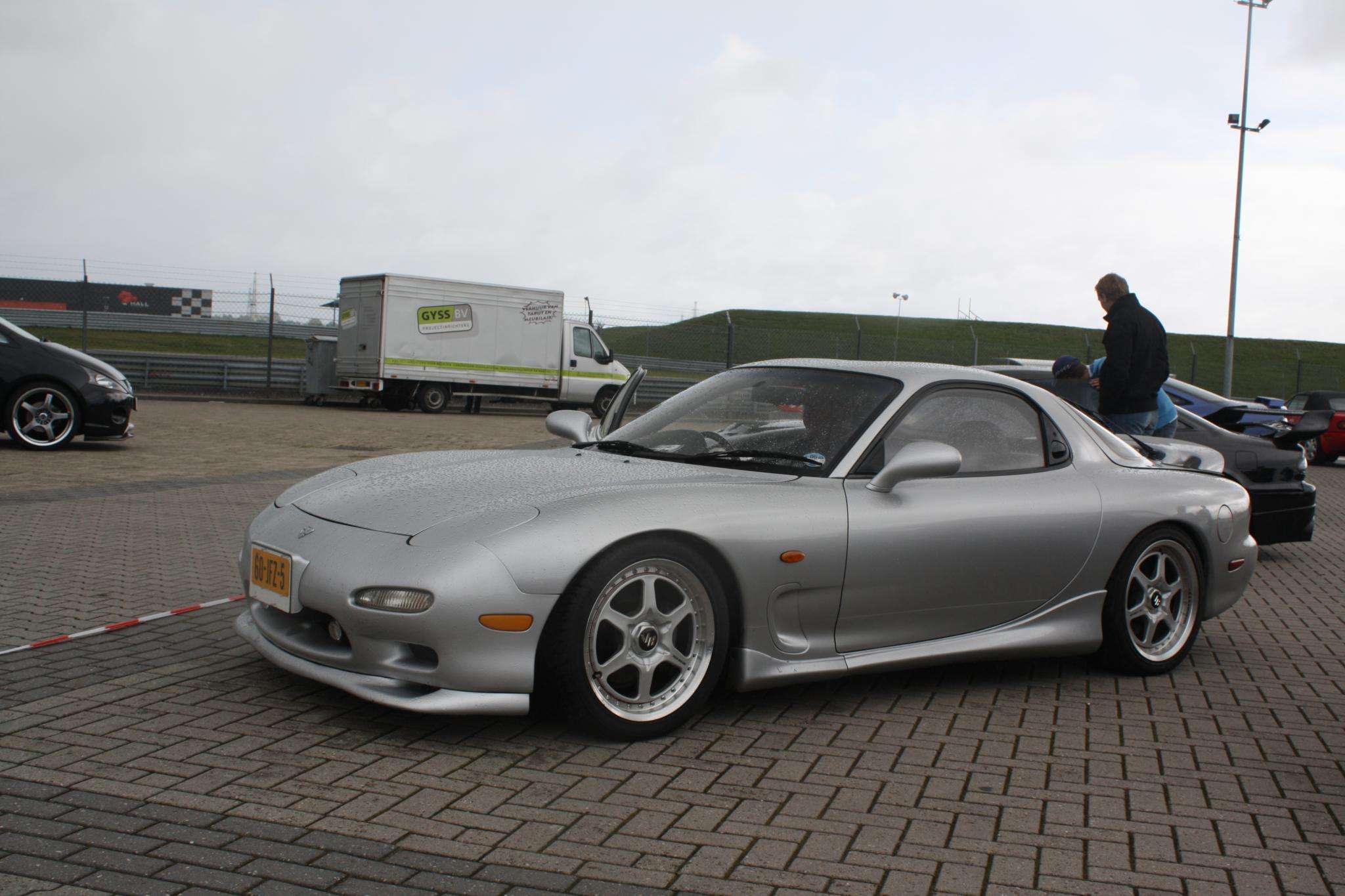
Mazda RX-7 (FD, 1993–1995 in the U.S.). The third-generation RX-7 used a 1.3-liter 13B-REW rotary with sequential twin turbochargers, which Wikipedia describes as the first mass-produced sequential twin-turbo system exported from Japan. It rated 255 hp and 217 lb-ft in U.S. trim. Americans could buy it only for the 1993, 1994 and 1995 model years, after which Mazda withdrew it from the U.S. while production continued in Japan through 2002. For background on the engine family, see our look at the Wankel rotary legacy.
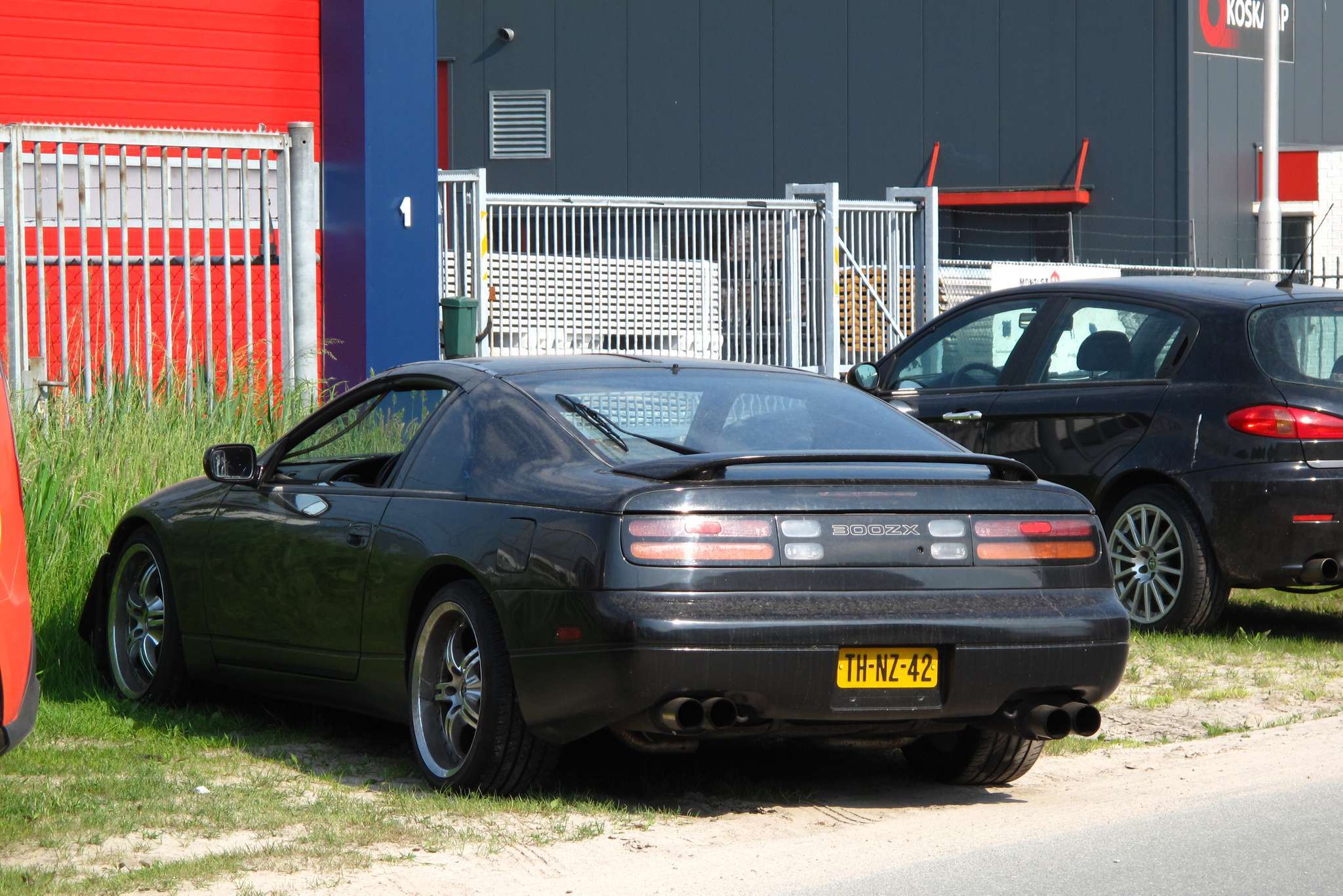
Nissan 300ZX Twin Turbo (Z32, 1990–1996 in the U.S.). Nissan launched the Z32 with a twin-turbocharged 3.0-liter V6 rated at 300 hp, and Hagerty puts the 1990 Twin Turbo’s base price at $33,800 against $27,300 for the naturally aspirated car. It also carried Super HICAS four-wheel steering, shared in concept with the R32 Skyline GT-R, and a governed 155 mph top speed.
Toyota MR2 Turbo (SW20, 1991–1995 in the U.S.). Toyota’s mid-engine answer used the 2.0-liter turbocharged 3S-GTE, the same engine family that powered the Celica GT-Four, in a five-speed-only package rated at 200 hp and 200 lb-ft. It was the cheapest of the three by a wide margin: CarGurus lists the 1991 Turbo coupe at $18,778 when new.
Side-by-Side: Specifications
| Mazda RX-7 (FD) | Nissan 300ZX Twin Turbo (Z32) | Toyota MR2 Turbo (SW20) | |
|---|---|---|---|
| U.S. model years | 1993–1995 | 1990–1996 | 1991–1995 |
| Engine | 1.3L twin-turbo rotary (13B-REW) | 3.0L twin-turbo V6 (VG30DETT) | 2.0L turbo inline-four (3S-GTE) |
| Layout | Front-engine, RWD | Front-engine, RWD | Mid-engine, RWD |
| Power (U.S.) | 255 hp @ 6,500 rpm | 300 hp @ 6,400 rpm (280 hp automatic) | 200 hp @ 6,000 rpm |
| Torque | 217 lb-ft @ 5,000 rpm | 283 lb-ft | 200 lb-ft @ 3,200 rpm |
| Transmission | 5-speed manual; 4-speed automatic (base cars) | 5-speed manual; 4-speed automatic | 5-speed manual only |
| Curb weight | About 2,789 lb (base, 5-speed) | About 3,474 lb (Turbo) | Not verified in sources reviewed |
| 0–60 mph (period tests) | About 5.5 sec | 5.5–6.0 sec depending on source | 5.8–6.1 sec depending on source |
| Original base price | $32,850 (base) | $33,800 (1990 Twin Turbo) | $18,778 (1991 Turbo coupe) |
| Distinctive features | Torsen differential; R1/R2 performance package | Super HICAS four-wheel steering; T-top | T-bar roof (U.S. Turbo after early 1993); 1993 suspension revision |
Production and Rarity
Rarity is where the three diverge most, and where the data is thinnest. Hagerty’s FD buyer’s guide puts U.S. FD production at roughly 13,879 cars across 1993–1995, while cautioning that sources vary. The performance-oriented R1 and R2 packages account for just over 2,600 U.S. sales, with only 57 for 1995 according to the same guide, and 1995 output was about 500 cars, roughly 18 percent of 1994.
The Z32 was sold in much larger numbers. Wikipedia lists U.S. sales across all body styles and engines of 17,652 in 1991, 6,708 in 1992, 11,599 in 1993, 5,320 in 1994, 3,135 in 1995 and 2,929 in 1996, with a 1990 figure of 39,290. Those totals include naturally aspirated cars and convertibles, and we were unable to verify a Twin Turbo-only count. The final 300 U.S. cars were Commemorative Editions.
For the MR2 Turbo we could not find a verifiable U.S. production figure. Classic Motorsports calls 1995 the rarest and most desirable U.S. model with 1994 next, and Wikipedia notes Turbo models were not offered in California-emission states after 1994. One auction-house data point exists: Kruse Auctions’ catalog copy for a 1995 Turbo, covered in our Auburn preview, described it as one of only 111 Turbo examples built for the final U.S. model year. That is a seller-side claim we could not independently verify, so treat it as a reference point rather than a registry figure.
Current Market: Values and Comparable Sales
All figures below come from sold results reported by Classic.com as of October 23, 2026. Classic.com’s Market Benchmark (CMB) is a modeled value rather than an average sale price, and platform fee treatment varies, so read the numbers as a range rather than an appraisal.
| Mazda RX-7 (FD) | Nissan 300ZX Twin Turbo | Toyota MR2 Turbo | |
|---|---|---|---|
| Classic.com benchmark | $40,758 (base); $55,989 (R1/R2) | $28,406 | $23,067 |
| Recent sold range | $21,300 (project) to $76,000 (modified R1) | $12,840 to $64,350 | $5,200 to $40,500 |
| Strong original examples | $50,500 (1994, 40k mi, Cars & Bids); $59,975 (1993, 39k mi, fixed price) | $64,350 (1990, 17k mi, Mecum); $43,000 (1995, 28k mi, BaT) | $40,500 (1993, 54k mi, Cars & Bids); $36,000 (1994, 55k mi, BaT) |
| Typical driver-quality result | $35,750 (1993, 71k mi, BaT); R2 $42,250 (88k mi) | $25,777 (52k mi, Hagerty); $21,000 (131k mi, BaT) | $20,000 (106k mi, BaT); $23,000 (58k mi, BaT) |
Three observations stand out. First, the FD commands the highest floor for a running car: its six sold R1/R2 examples averaged about $51,125, though four of the six were modified, so a clean original is the scarcer product. Second, the Z32 market is the widest. Its $64,350 Mecum result is a single data point, not a trend, but it shows that a 17,000-mile 1990 car can be priced like an FD rather than like its $28,406 benchmark. Third, the MR2 Turbo is the market’s clearest value rung. Of the 19 U.S.-dollar sales Classic.com listed, the median was about $23,000, and the best result of the year reached $40,500.
The FD’s history also argues for caution. Hagerty’s buyer’s guide noted that prices peaked in January 2018, and a 2023 Autopian report on a record FD sale described FD prices trending down since mid-2022. Neither source tells us where values go next; we are not predicting appreciation for any of the three.
Strengths and Weaknesses
Mazda RX-7: the Purist’s Choice
The FD is the lighter of the two front-engine cars, with double-wishbone suspension at both ends, a Torsen differential and a 5.5-second 0–60 time in period testing. Its weaknesses are the same engineering choices that make it special. Grassroots Motorsports calls heat management the top priority, and Hagerty advises checking compression (spec is roughly 100 psi per rotor, with at most 21 psi variation, and below 85 psi suggests a near-term rebuild). A poorly maintained engine can need a rebuild well before 75,000 miles, while a well-maintained stock 13B can pass 150,000. Vacuum lines and wiring harnesses age badly under the engine heat, and the U.S. cars were subject to recalls for brake vacuum hoses, fuel lines and cooling-system components. Buyers should confirm each was performed.
Nissan 300ZX Twin Turbo: the Grand Tourer
The Z32 is the most powerful of the three and, at about 3,474 pounds, the heavier of the two front-engine cars. The wider Z32 family offered the broadest range of body styles, and its Twin Turbo spans the widest spread of prices, which makes it the best entry point if you want a factory twin-turbo V6 without the FD’s rotary risk. Grassroots lists a 14.4-second quarter mile at about 102 mph. Its weak points are age-related: the engine is an interference design and Grassroots advises replacing the timing belt before 60,000 miles; engine heat degrades wiring and rubber; the front tension rod bushings leak; and T-top cars should be checked for seat rail corrosion that signals leaks. Confirm the ignition power unit recall was completed. Super HICAS was controversial when new, but Grassroots’ reader comments describe it as nearly invisible in normal driving.
Toyota MR2 Turbo: the Mid-Engine Value
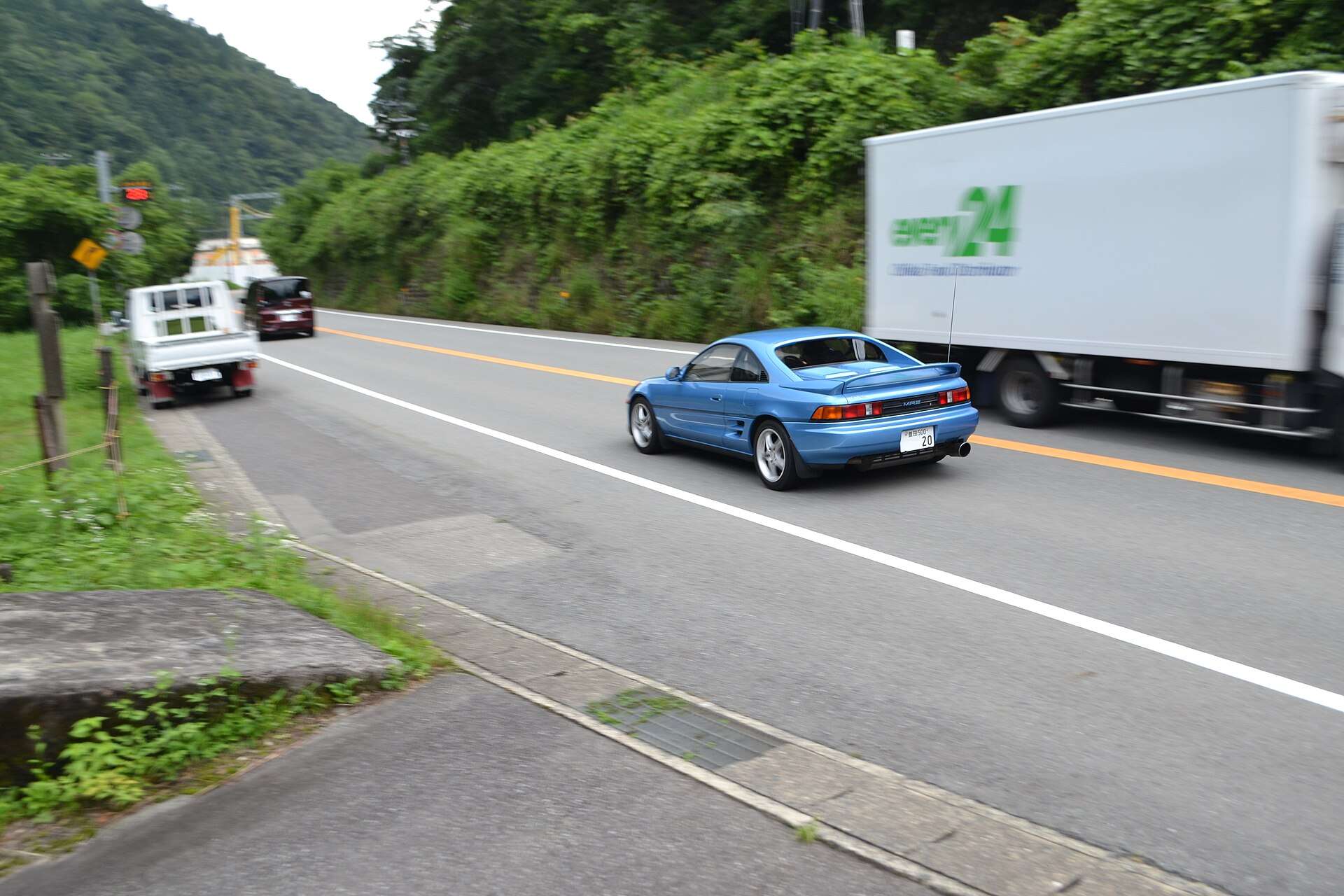
The MR2 is the only true mid-engine car here, and that is both its appeal and its caveat. Wikipedia notes the SW20’s reputation for snap-oversteer when lifting off the throttle mid-corner, a trait Toyota moderated through suspension and tire changes for 1993 (longer rear toe links, wider tires, larger brakes). The Turbo’s skidpad figure rose from 0.89 g on the first revision to 0.90–0.94 g on later ones. Known trouble spots include the cooling system, the speed sensor on 1991–1992 cars, and transmissions without the limited-slip differential, which can grind between gears. Many Toyota parts are discontinued, though MR2 Heaven reproduces several hard-to-find items. Regular maintenance is described as affordable: four quarts of 10W-30 oil and a Toyota filter.
Reliability, Maintenance and Parts
We could not find independently verified dollar figures for a rotary rebuild, a Z32 timing-belt service or an MR2 head-gasket repair, so we are not quoting any. What the sources support is a ranking of risk. The FD carries the highest consequence for deferred maintenance, because an engine rebuild is a different order of expense from replacing a belt. The Z32 carries the highest age-driven risk in wiring, hoses and bushings. The MR2 is the cheapest to run, but its pool of unrestored cars is the thinnest on the parts side. FD owners rely on specialists such as Racing Beat and Mazdaspeed Motorsports Development, and Z32 owners on suppliers such as Z1 Motorsports and Motorsport Auto, both named by Grassroots.
Liquidity and Demand
Liquidity follows the same pattern. FD and Z32 listings turn up at Bring a Trailer, Cars & Bids, Hagerty and Mecum, and Z32 results ran from Hagerty’s marketplace to Mecum within a six-week window. MR2 Turbo sales cluster on Bring a Trailer and Cars & Bids, with 19 dollar-denominated results this year. Not every car sells: Classic.com also lists Z32 examples that failed to meet reserve at $48,760 and $24,000, a reminder that asking prices run ahead of buyers’ willingness on higher-mileage cars.
Which One Fits Which Buyer
| Buyer priority | Best fit | Why |
|---|---|---|
| Lowest cost of entry | MR2 Turbo | Benchmark about $23,067 and the cheapest to run, per the sources reviewed |
| Highest peak performance | Z32 300ZX Twin Turbo | 300 hp, 283 lb-ft, 14.4-second quarter mile in period testing |
| Driving purity | RX-7 FD | About 2,789 lb with a rotary that rewards high revs and punishes neglect |
| Rarity and R1/R2 pedigree | RX-7 FD | R1/R2 cars total just over 2,600 U.S. sales; 1995 output about 500 |
| Lowest mechanical downside risk | MR2 Turbo or a documented Z32 | Rebuild-level risk is lower than the rotary, provided belts and cooling are documented |
| Widest choice and ease of resale | Z32 300ZX Twin Turbo | Largest sales volume and the broadest range of examples at auction |
The FD suits the collector who values originality and is willing to maintain a rotary on schedule. The Z32 suits the buyer who wants the strongest performance for the money and can shop patiently for a low-mile, documented car. The MR2 Turbo suits the driver who wants a mid-engine Toyota with period performance at the lowest entry price, and who accepts that the best examples are scarce and that parts require effort.
What We Could Not Verify
Three limits apply. We found no reliable U.S. Twin Turbo-only production count for the Z32 or Turbo-only count for the MR2, so rarity comparisons for those two rest on all-model sales and period descriptions. Official curb weights for the MR2 Turbo were not in the sources we could read. Finally, Hagerty’s price-guide pages and two of its articles would not load during research, so Hagerty valuation figures here come only from the sources that did. Sold prices are as reported by Classic.com on October 23, 2026 and may differ from final settlement amounts after fees.
Sources: Hagerty Media (300ZX), Hagerty Media (FD RX-7 buyer’s guide), Grassroots Motorsports (RX-7), Grassroots Motorsports (300ZX), Classic Motorsports (MR2 Turbo), SlashGear, The Autopian, Wikipedia (RX-7), Wikipedia (300ZX), Wikipedia (MR2), and the Classic.com pages linked above.
The collector car market, every weekday morning.
Auction results, price moves and what’s crossing the block, read in four minutes. Free, from Modern Car Collector.
No spam, unsubscribe in one click. Or read more about the Brief.
 Kyle Matthews