

Felix Wankel died on October 9, 1988, in Heidelberg, West Germany, at age 86. He left behind one of the most unconventional engine designs ever to reach series production, and a small group of cars that collectors increasingly treat as milestones.
The engineer and the engine
Wankel conceived his rotary engine in 1924 and won his first patent for it in 1929. A development center funded by Goetze AG followed in 1951, and the first running prototype ran on February 1, 1957, producing about 21 horsepower. The engine was presented to engineers and press at the Deutsches Museum in Munich on January 19, 1960.
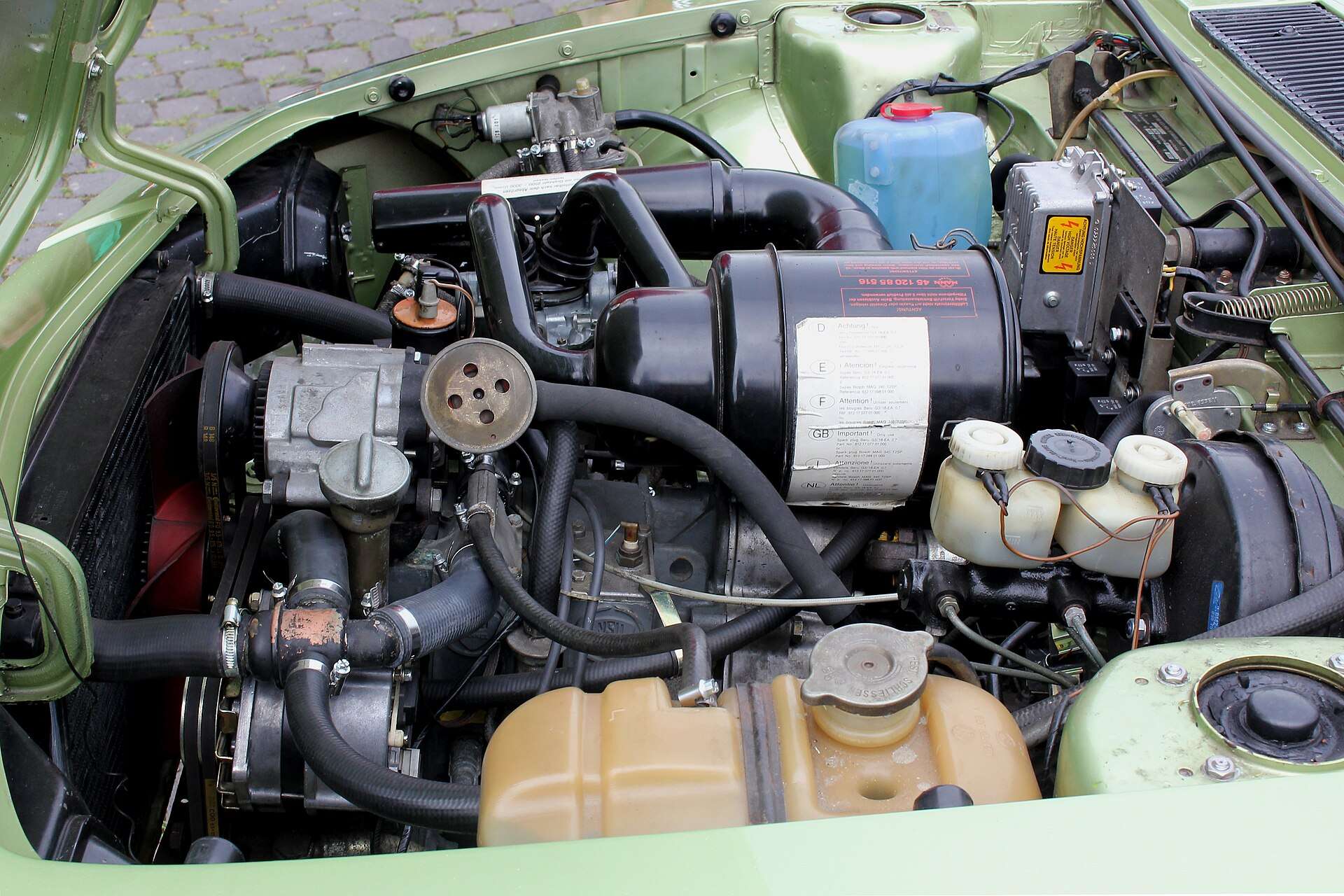
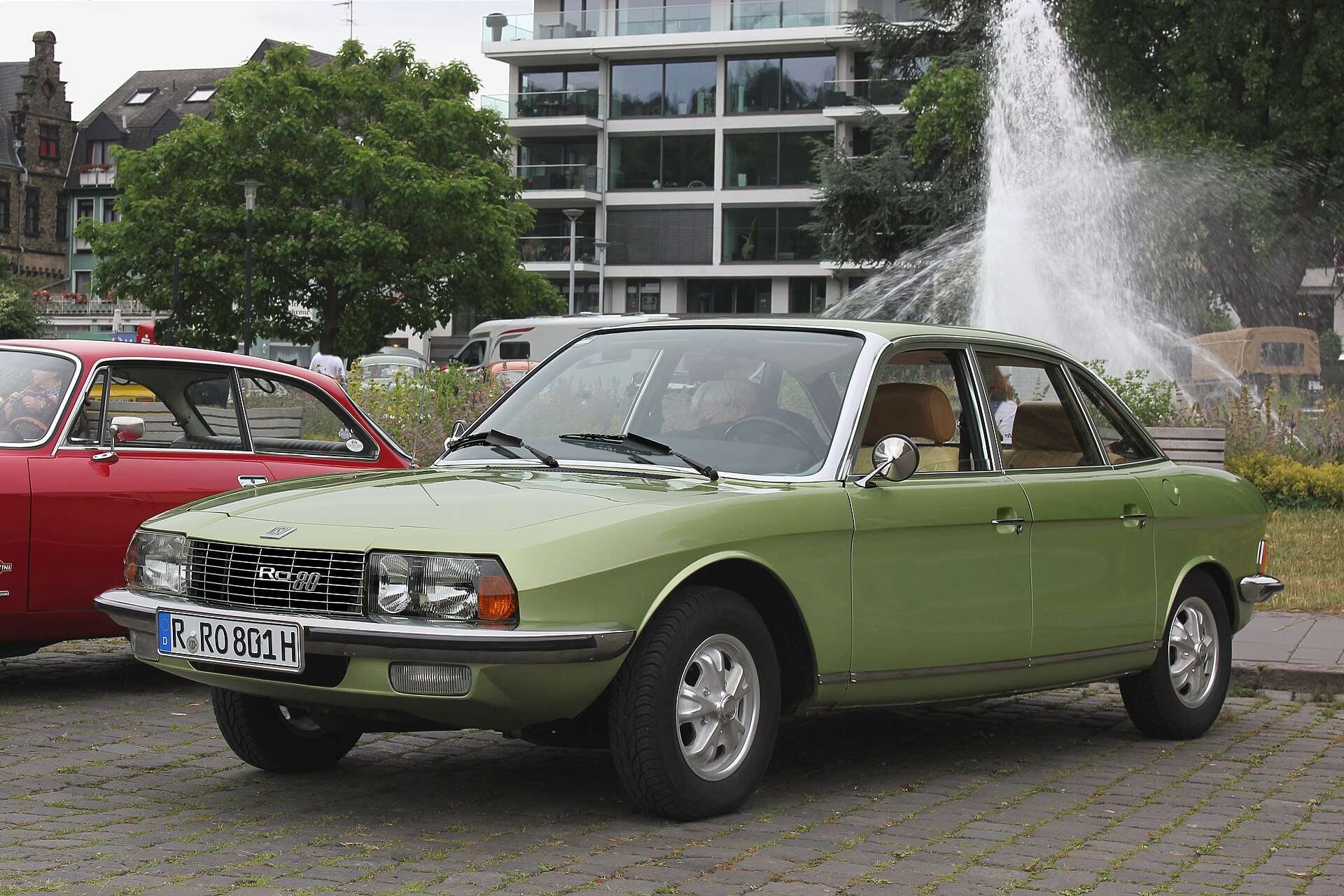
NSU then brought it to the road. The Wankel Spider was unveiled at the Frankfurt show in 1963 and entered production in 1964, making it the first consumer vehicle with a rotary engine. In August 1967 NSU introduced the Ro 80 sedan with a 115 horsepower two-rotor engine, and the car was named European Car of the Year for 1968.
Why it matters to collectors
Rotary cars are collectible because they are the physical record of an engineering bet. The Wankel engine promised smoothness and compact packaging, and the cars built around it were designed from scratch, not adapted from conventional layouts.
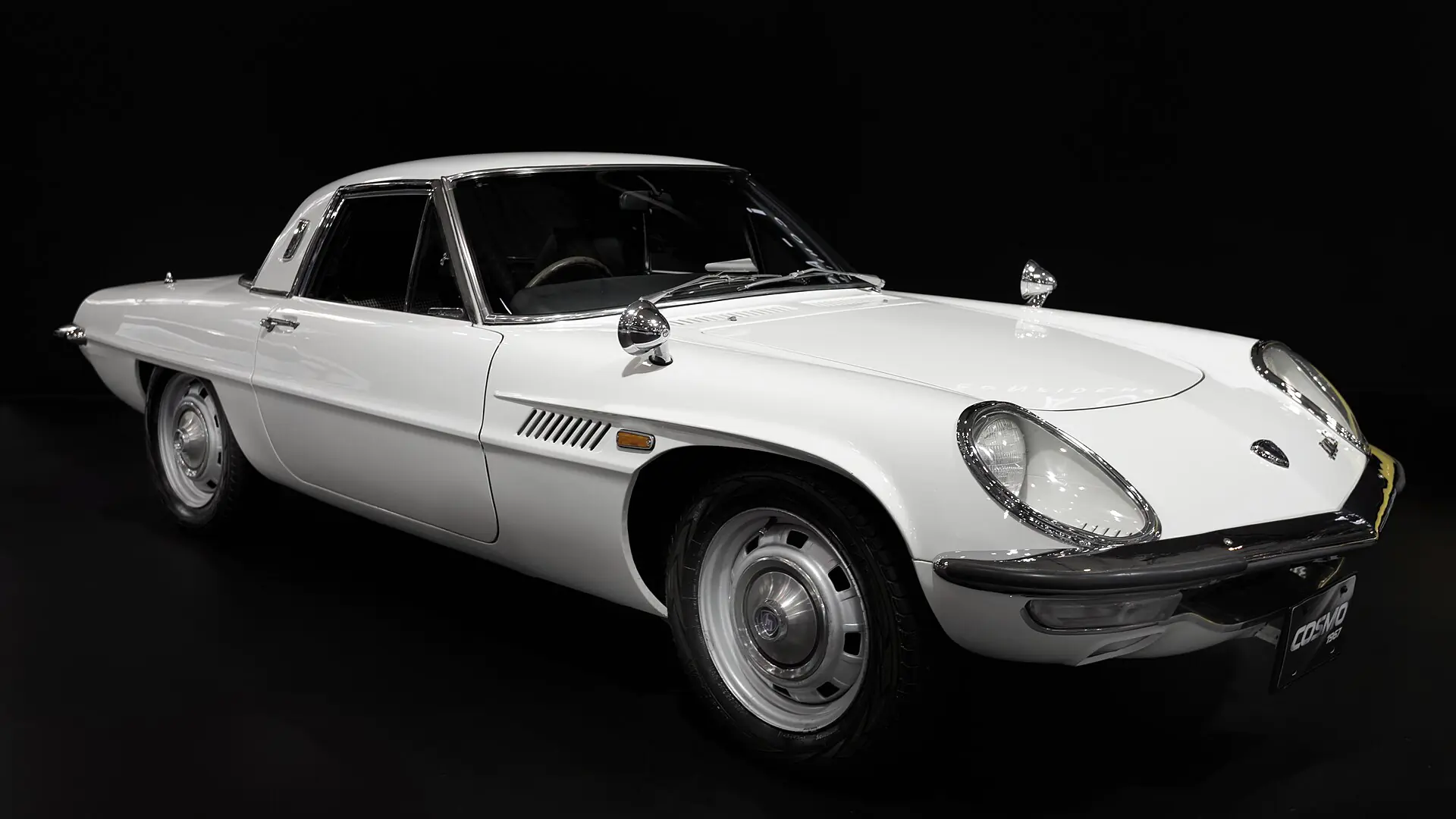
Mazda’s side of the story is the Cosmo Sport 110S. A prototype appeared at the 1964 Tokyo Motor Show and full production began in May 1967. Only 1,176 were built: 343 Series I cars from May 1967 to July 1968, and 833 Series II cars from July 1968 to September 1972. The Series I used a roughly 982 cc two-rotor engine making about 110 horsepower; the Series II was rated at 128 horsepower.
Value context
Public price data is thin. One documented comparable is a 1970 Series II coupe that sold at Bonhams in January 2015 for US$110,000 including premium, a figure that should be treated as a dated reference, not a current market value. The original price was about 1.48 million yen.
Mazda’s rotary pedigree also runs through the racetrack. We have followed that thread in Mazda Le Mans history at Monterey, in the story of the Le Mans-winning 787B at the 2026 Monterey Motorsports Reunion, and in the 767B fire at Laguna Seca. For a look at how Mazda markets its modern heritage, see our piece on the MX-5 ND as a collector car.
What collectors should know
- Rotary condition is the whole story. Apex seal wear and compression are the first things to verify, so insist on a documented compression test.
- Production totals are small. With 1,176 Cosmos built and very few reaching the United States early on, documented history and original specification matter more than cosmetic perfection.
- Know the Series. A Series I and Series II differ in output and production period; make sure the car matches how it is being described.
The takeaway
Wankel never got the mainstream engine he was after. What he got instead is a collector following: the NSU Ro 80 and the Mazda Cosmo Sport are the clearest proof that a commercial gamble can end up a collector success.
Ro 80 or Cosmo Sport: which would you take, knowing you’d be living with apex seals either way?
The collector car market, every weekday morning.
Auction results, price moves and what’s crossing the block, read in four minutes. Free, from Modern Car Collector.
No spam, unsubscribe in one click. Or read more about the Brief.




 Kyle Matthews
  John Lloyd