

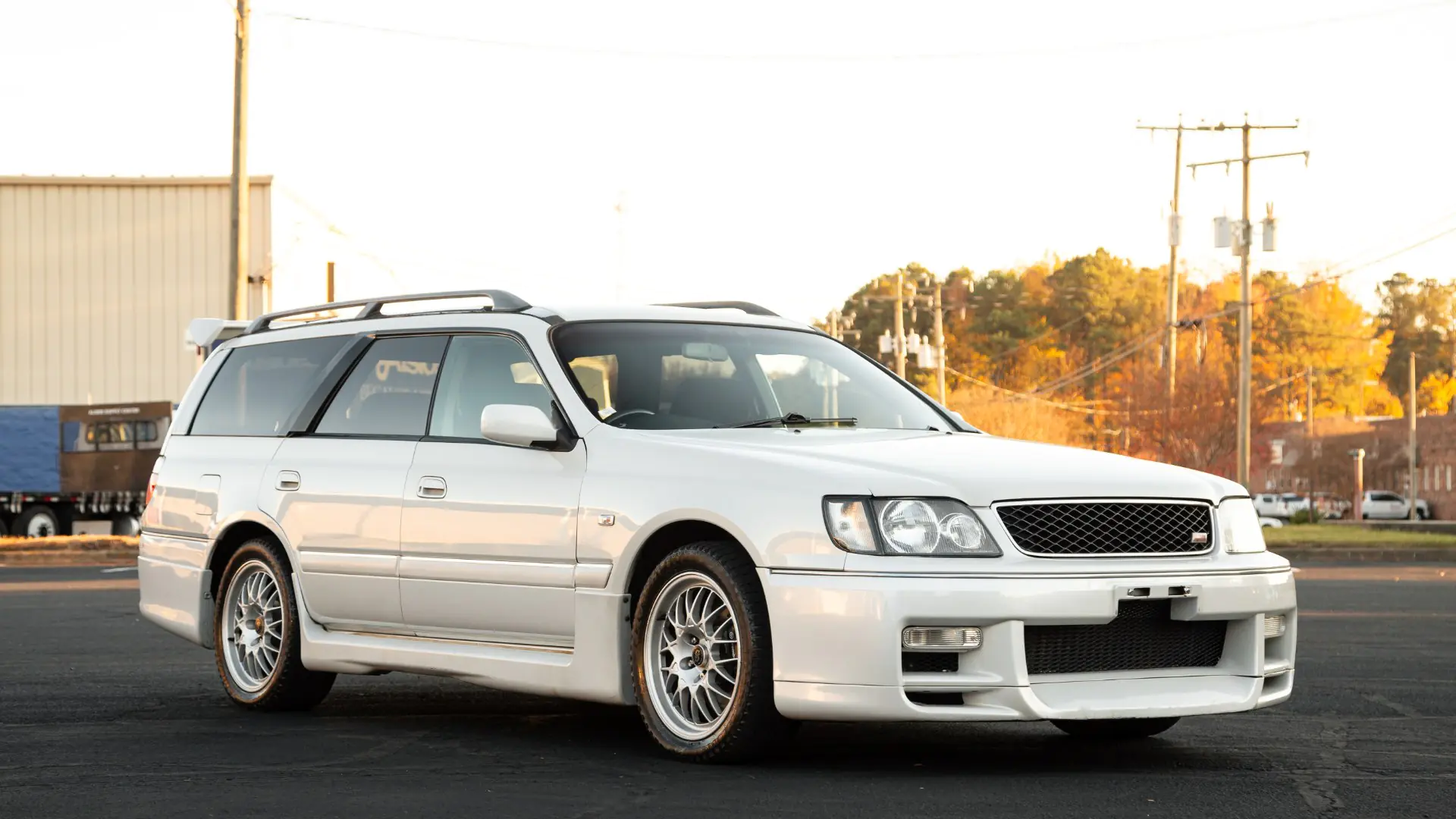
Collectors who want a Nissan RB26DETT usually start in the same place, an R32, R33 or R34 Skyline GT-R, and run straight into prices that long ago left casual ownership behind. The Nissan Stagea 260RS Autech Version offers the same twin-turbo inline-six and all-wheel-drive hardware in a five-door wagon, and Nissan’s tuning partner Autech built only 1,734 of them. In September and October 2026, two confirmed US auction sales put them at $42,900 and $38,250. The question for collectors is whether that gap to the GT-R is an opportunity or a fair reflection of what a wagon is worth.
This is an Is It a Future Collector Car? evaluation rather than a deep dive, because the 260RS is old enough to have a record but young enough that its place in the hierarchy is unsettled. The central thesis is simple: today the 260RS is priced as a satellite of the GT-R market, and its future depends on whether buyers begin valuing it for what it is rather than for what it is not.
Why the Nissan Stagea 260RS exists
The Stagea launched in September 1996 as a prestige touring wagon built on the Laurel (C34) platform, with some rear suspension parts shared with the R32, R33 and R34 Skyline (Wikipedia). The 260RS arrived in October 1997 from Autech Japan, which fitted the R33 GT-R’s powertrain and strengthened the body and chassis for the extra output (Nissan Heritage Collection). It is a factory-sanctioned product, not a tuner special, and that distinction is the foundation of its collector case.
Production numbers, engine and drivetrain
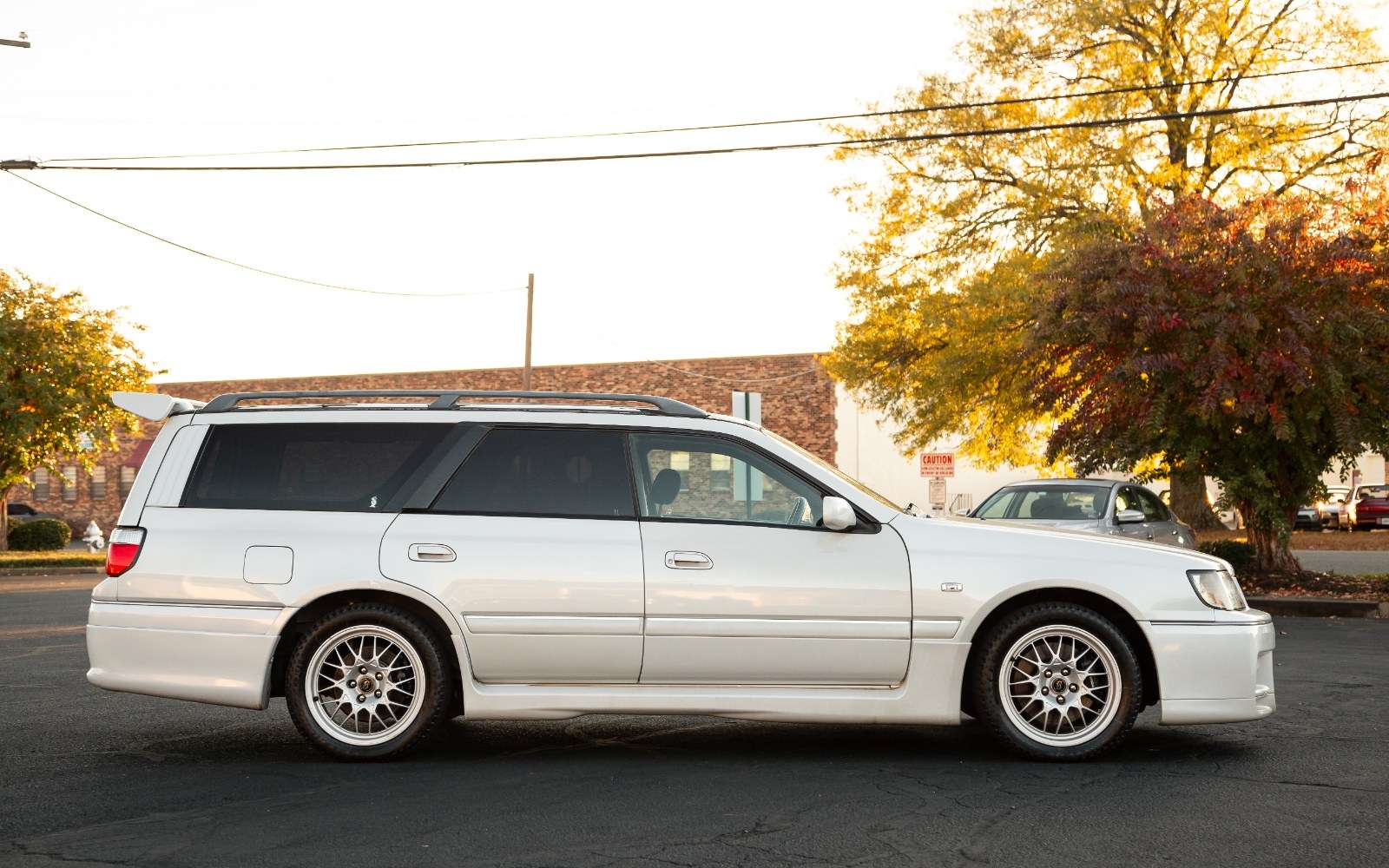
Production ran from November 1997 to March 2001, totaling 1,734 cars, all right-hand drive (Hagerty). Registry-derived counts cited by Classic Register put the earlier Series I cars at 986, which implies about 748 of the later Series II cars (Hagerty calls them Stage 1.5 and Stage 2). Treat the split as approximate and the 1,734 total as the figure to rely on.
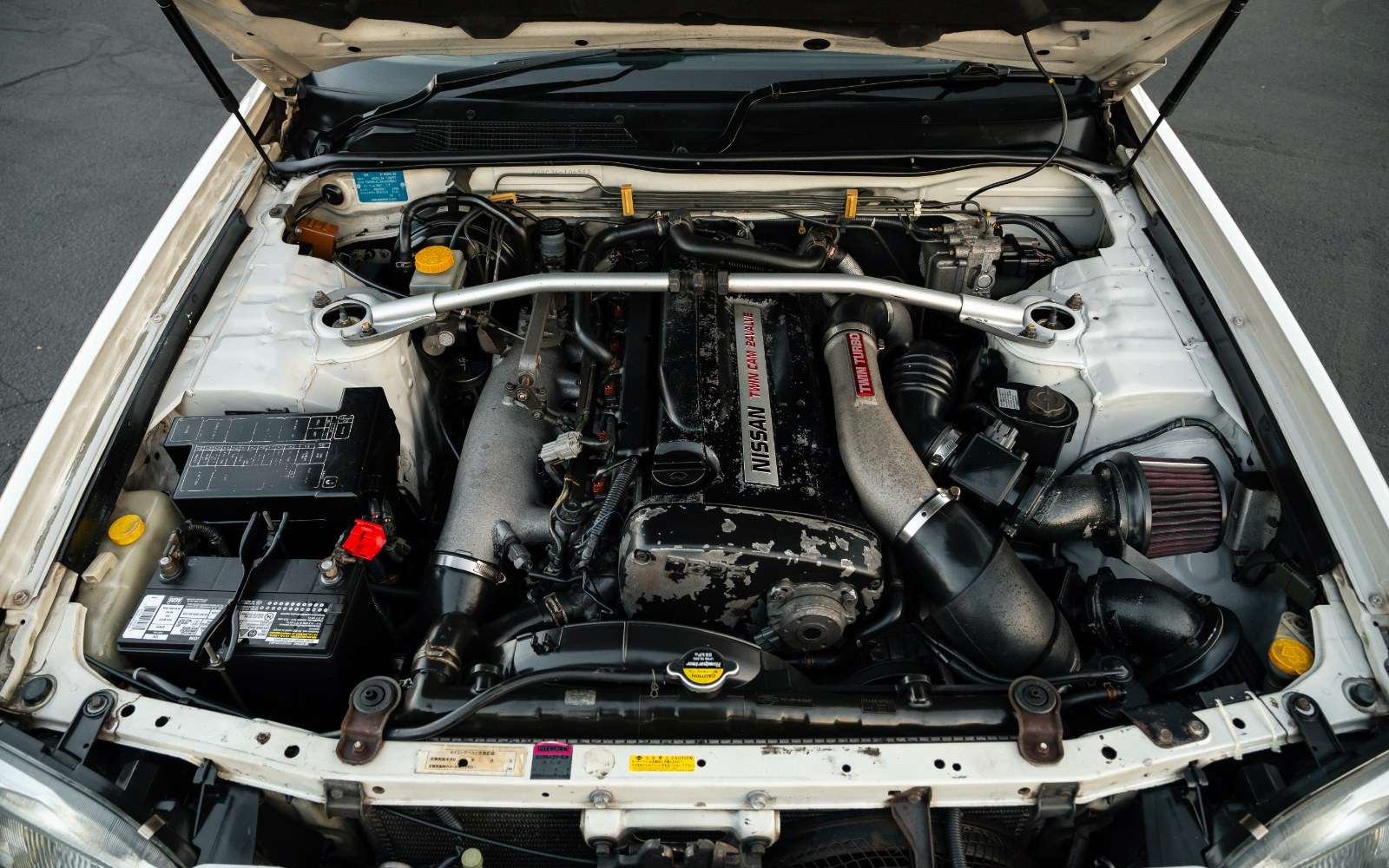
The engine is the 2,568 cc RB26DETT, rated by Nissan at 280 PS (276 hp) at 6,800 rpm and 368 N·m (271 lb-ft) at 4,400 rpm, a figure Wikipedia notes most sources believe is conservative. Power goes through a five-speed manual to ATTESA E-TS all-wheel drive with a rear limited-slip differential, Super HICAS four-wheel steering, Brembo brakes and 17-inch BBS forged wheels. Nissan lists a curb weight of 1,720 kg, and Hagerty cites a 0 to 60 mph time of about 5.7 seconds.
| Specification | Nissan Stagea 260RS Autech Version |
|---|---|
| Production | 1,734 (Nov. 1997 to Mar. 2001), all RHD |
| Engine | 2.6-liter twin-turbo inline-six, RB26DETT |
| Output | 280 PS (276 hp) at 6,800 rpm; 368 N·m (271 lb-ft) at 4,400 rpm |
| Transmission and drive | 5-speed manual; ATTESA E-TS AWD, rear limited-slip differential |
| Chassis and brakes | Super HICAS; Brembo brakes; 17-inch BBS forged wheels |
| Weight | 1,720 kg (Nissan figure for the 1997 car) |
| Chassis codes | E-WGNC34 (1997); GF-WGNC34 (1998) |
How to identify a genuine 260RS
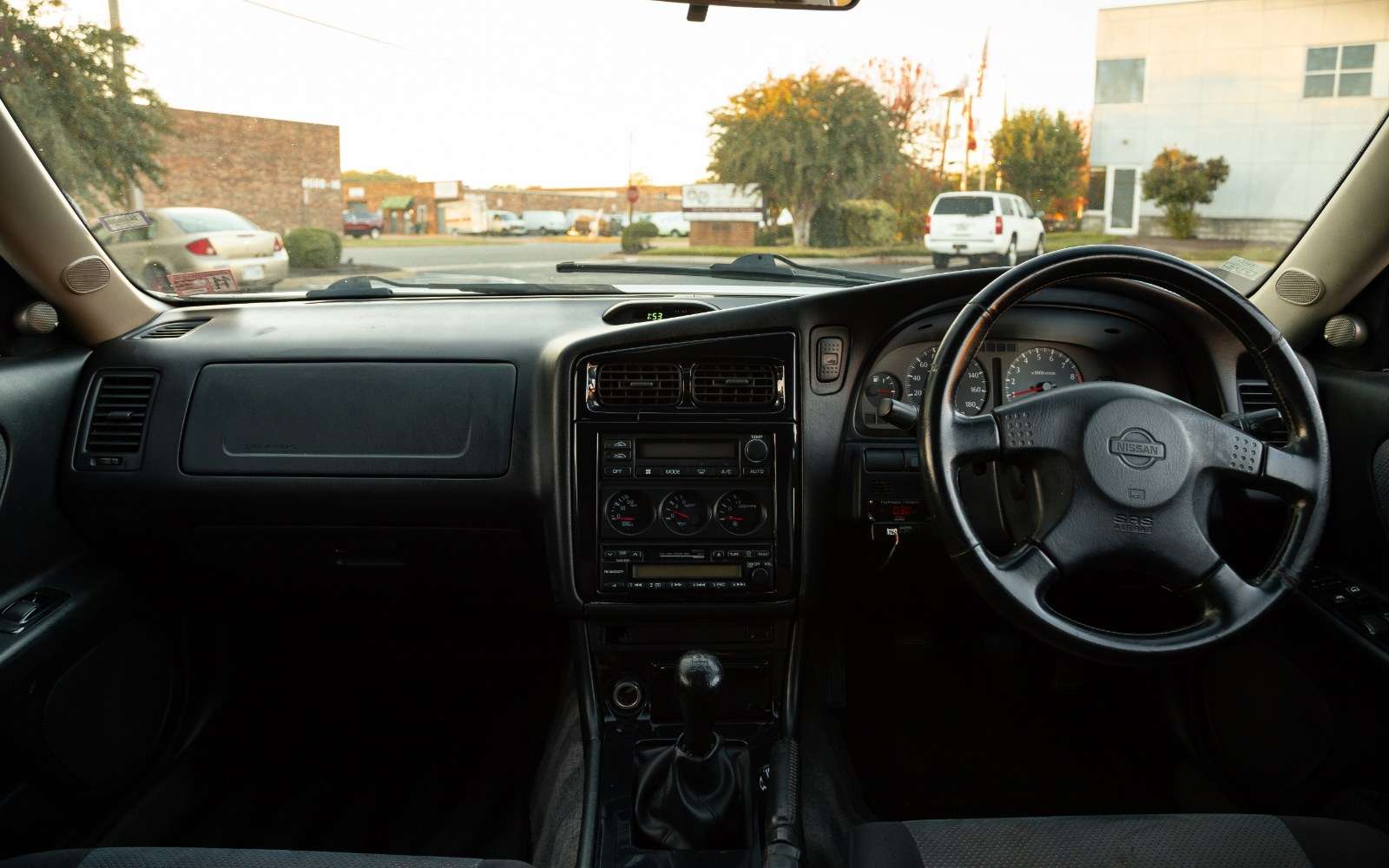
Identification matters more here than on most cars, because the 260RS is built from the same body as the cheaper RS4 and RS Four wagons. The Classic Register guide describes Autech fitting the RB26 and GT-R driveline into RS4 shells that already carried RS4 chassis plates, so the data plate can list an RB25 even on a correct car. The chassis number begins E-WGNC34 followed by six digits, the plate is riveted to the driver’s-side firewall and the number is stamped in the bulkhead nearby. Nissan’s FAST VIN software should confirm an Autech listing.
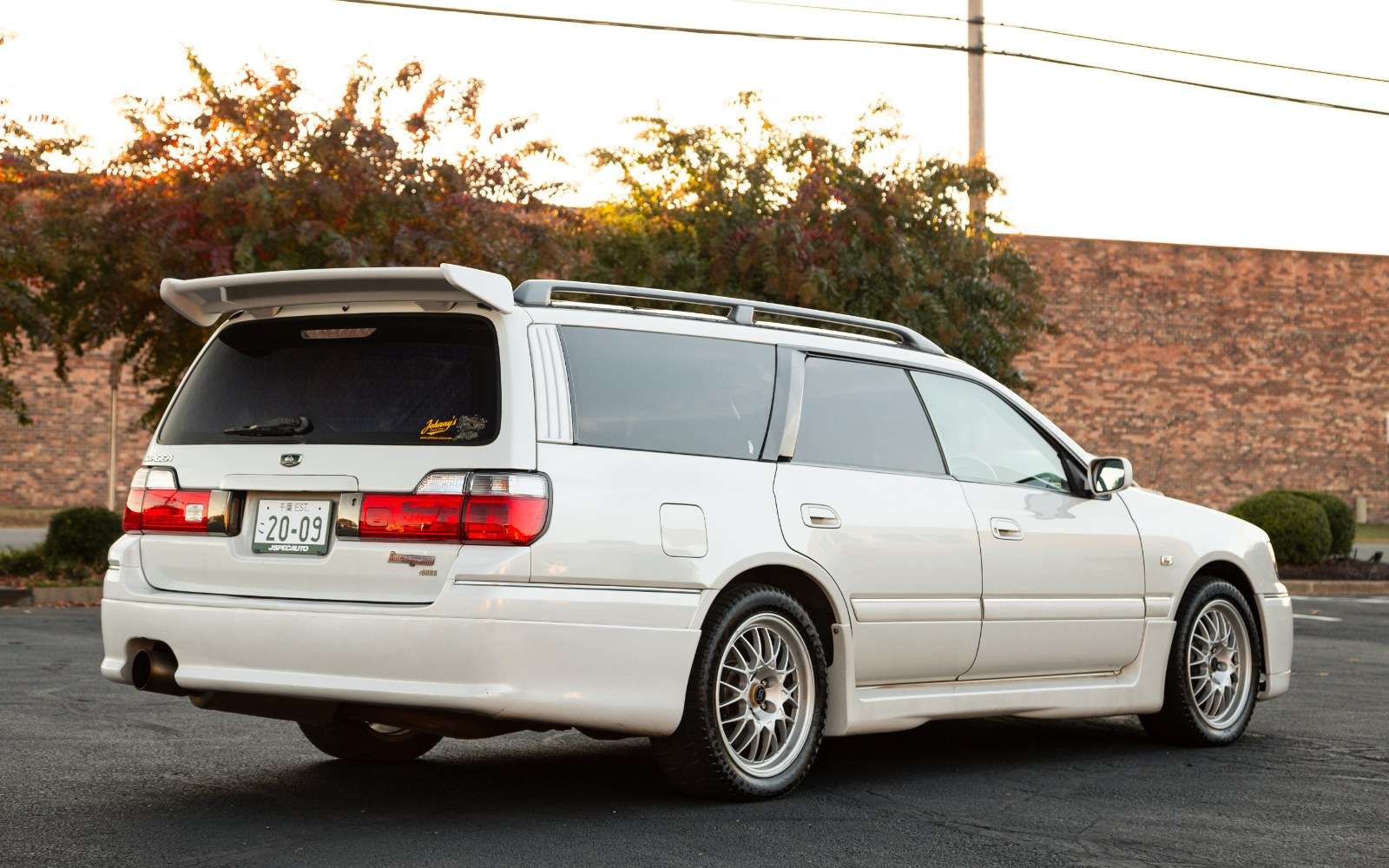
Other tells, again per Classic Register for Series I cars: an “Autech Version” badge on the grille and a 260RS badge on the tailgate, unique front and rear spoilers and side skirts, no sunroof, a gloss piano-black dash insert, GT-R-style center gauges, and an “S” button that locks the transfer case into 50/50 drive. Series I paint was limited to Silky Snow Pearl White (652 built), Dark Bluish Black Pearl (196) and Sonic Silver (138). The guide also warns of “re-birth” cars, ordinary wagons converted to 260RS spec, and suggests checking the cowl and clutch master cylinder mounting for signs of conversion.
What the market has actually paid
Evidence is thin, and it should be read that way. Classic.com logs just two confirmed auction sales this fall: $42,900 at Mecum in Lebanon, Tennessee on September 24 (about 85,000 miles) and $38,250 on Cars & Bids on October 6 (about 95,000 miles), an average of $40,575. Hagerty reported an earlier Cars & Bids result of $37,500 for a 107,800-mile car and put recent 260RS sales at roughly $30,000 to $50,000 depending on condition and mileage. Hagerty does not price the model, but values a 1998 R33 GT-R at about $54,000 in similar condition.
| Date | Venue | Result | Mileage / note |
|---|---|---|---|
| Sep. 24, 2026 | Mecum, Lebanon, TN | Sold, $42,900 | About 85,000 mi |
| Oct. 6, 2026 | Cars & Bids | Sold, $38,250 | About 95,000 mi |
| Earlier (per Hagerty) | Cars & Bids | Sold, $37,500 | About 107,800 mi; modified |
| Apr. 2, 2025 | Cars & Bids | Not sold, high bid $29,500 | About 83,000 mi; described as original |
Dealer asking prices run far higher: $88,995 for a 51,000-mile car at a Florida JDM specialist in September, and current listings of $68,000 and $51,999. Those are asks, not results, and the distance between them and the auction sales is a reminder that the market has not yet agreed on a price. One sale, in other words, does not make a trend.
Rivals: Audi RS2 Avant and the Legnum VR-4
The obvious comparison is the Audi RS2 Avant, the Porsche-assembled 315 PS, 410 N·m turbo wagon built from March 1994 to July 1995 in a run of 2,891 (Wikipedia). A 1994 car sold for $77,500 on Bring a Trailer in 2021, and The Classic Valuer shows a record of about £86,838 at BaT in March 2023, with the lowest sale since 2020 at about £31,591. The RS2 carries the Porsche story and a larger audience, and it shows how a performance wagon can mature once collectors accept the body style.
The nearer rival is Mitsubishi’s Legnum VR-4, a twin-turbo V6, all-wheel-drive wagon in the same Japanese-market niche. A 1996 example with about 94,000 miles was advertised in September 2026 by a New Zealand dealer for roughly US$12,000 (Classic.com), an asking price, not a sale. The gap to the 260RS is consistent with the GT-R engine, the Autech badge and the production limit, though one listing is not a market. Collectors weighing the broader group of 1990s Japanese turbos can start with our comparison of the RX-7, 300ZX Twin Turbo and MR2 Turbo and our look at the 3000GT VR-4 market.
Ownership costs and known weaknesses
Figures for the 260RS specifically are scarce, and I could not verify a credible cost schedule, so none is offered here. What is documented points to familiar RB26 and 1990s-Nissan concerns. A Fast Car R33 GT-R buying guide for the shared driveline flags oil consumption and starvation, cracked blocks on heavily tuned engines, fragile turbos once boost is raised, brittle wiring, worn track rod ends, leaking steering rack seals and failing gearbox synchros. It calls rust the “Achilles heel” of 1990s Nissans, citing the underbody, suspension mounts, rear wheel arches, boot lid and inner wings. Because the guide covers the GT-R, treat it as a proxy for the shared mechanical parts, not a Stagea-specific list.
Wagon-specific realities come from the Hagerty sale report: the car is right-hand drive, may not be street legal in every state, and body-kit pieces can be hard to source, though mechanical parts often come through Nissan Heritage and a growing network of JDM specialists. The Cars & Bids car Hagerty described had recently had its valve cover gaskets, timing belt and accessory belts replaced, a sensible baseline for any purchase inspection.
Import status matters too. The US 25-year rule runs from each car’s own build date, not its model year, and all 260RS cars were built between late 1997 and March 2001, so the last of them reached the threshold this spring. Buyers should still confirm the build date, the chassis code and the engine configuration before purchase, because EPA’s separate engine requirements also apply to imported cars (JDMBuySell).
What separates exceptional from average
The best 260RS is documented, unmolested and verifiably the real thing. That means a chassis plate and FAST VIN result that agree, a correct engine and block casting, original BBS wheels with Autech center caps, the unique interior pieces and a body free of the welds and rust that a 1990s wagon invites. Check that the paint code on the plate matches the car. Mileage matters, but documentation of timing belt, oil system and ATTESA service history may matter more, since a low-mileage car with no records is a bigger gamble than a well-documented 100,000-mile one.
Modification is the dividing line. The Cars & Bids result Hagerty described had a Kakimoto exhaust, a NISMO strut brace and 18-inch RAYS wheels and still sold at $37,500; our look at a modified R34 Skyline sedan shows where the JDM market draws that line. Reversible changes are tolerated; changes that hide a conversion or cut into the shell are not.
Established value versus speculative potential
Three things are established. The 260RS is a factory Autech product with a documented 1,734-car production run. It carries the GT-R’s engine and driveline. And in the last month, cars with 85,000 to 95,000 miles brought roughly $38,000 to $43,000 at public auction. Everything past that is a judgment call. It is not established that the 260RS will close its distance to the GT-R, because the ceiling on a wagon depends on whether collectors treat it as a GT-R derivative or as a collectible in its own right. For context on the top of that ladder, see how the Nismo 400R passed $1 million and how a V-Spec N1 surfaced on Bring a Trailer.
Factors that could strengthen or weaken desirability
Several things could help. The supply is fixed at 1,734 cars, and unmodified, well-documented examples are a smaller subset of that. The RS2 precedent shows a performance wagon can find a wider audience over time, and the reassessment of Japanese-market rarities such as the Eunos Cosmo 20B shows collectors are still working out where these cars belong. Several things could hurt. Right-hand drive limits the buyer pool, thin parts supply for body pieces raises restoration costs, rebirth cars and unreliable documentation could erode trust, and thin trading means one weak result can reset expectations. The market could also decide that GT-R prices are the ceiling.
Verdict: a credible future collector car, with a ceiling still to be tested
The Nissan Stagea 260RS clears the bar for a future collector car on provenance, rarity and mechanical content. It does not yet have the depth of sales to prove that its prices will rise, and nothing here should be read as a forecast. Buyers who want one should pay for documentation and originality, avoid reborn cars, budget for the age of the drivetrain and accept that, for now, the market is still deciding.
Sources: Nissan Heritage Collection; Wikipedia (Nissan Stagea, Audi RS2 Avant); Classic Register; Hagerty; Classic.com; The Classic Valuer; Fast Car; JDMBuySell. Production splits and auction results come from the cited pages and were current as of October 27, 2026.
The collector car market, every weekday morning.
Auction results, price moves and what’s crossing the block, read in four minutes. Free, from Modern Car Collector.
No spam, unsubscribe in one click. Or read more about the Brief.



 Shawn Henry
 Kyle Matthews