

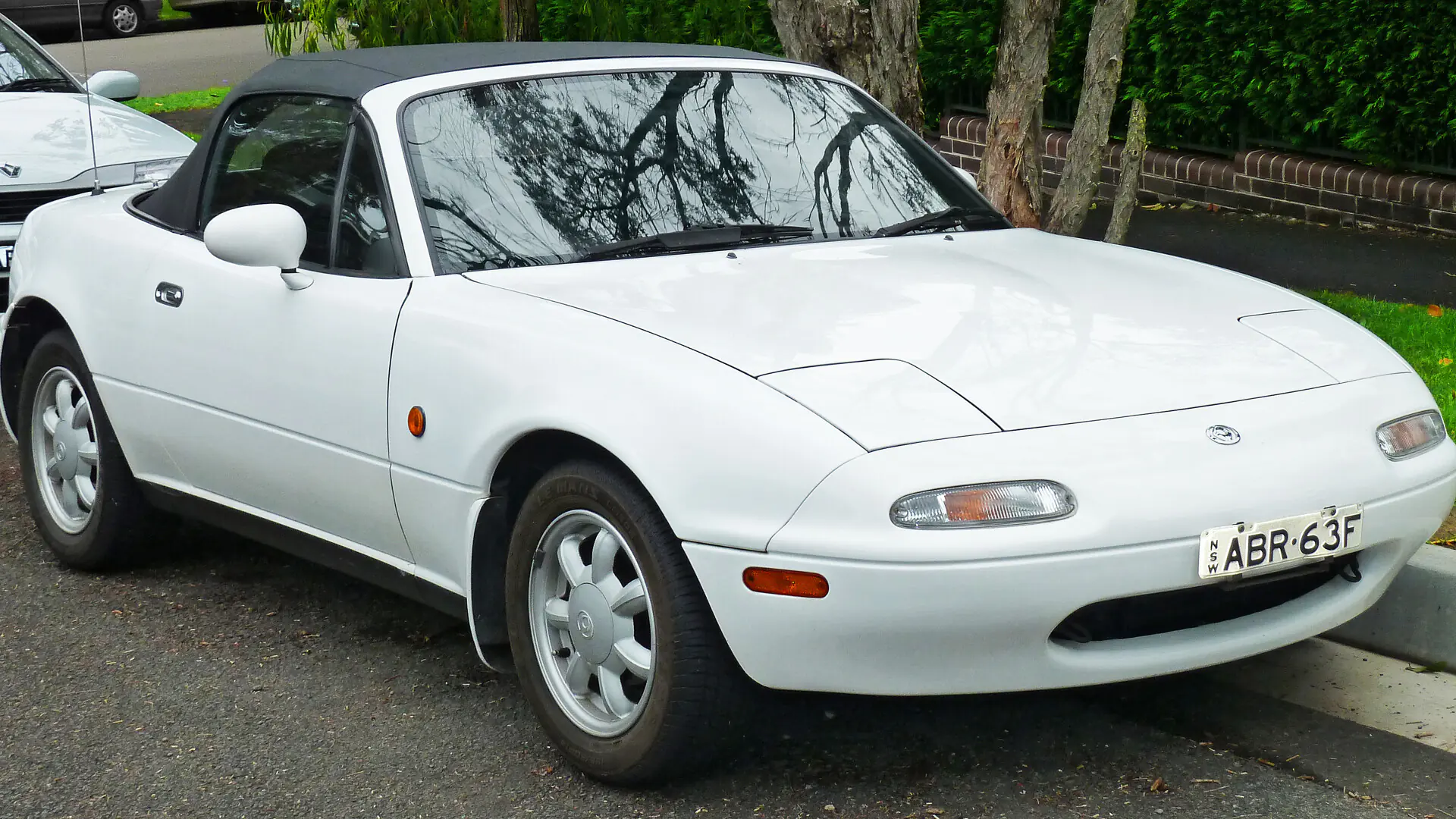
The current ND-generation MX-5 gets the launch-party coverage, but the car younger collectors are actually shopping for is its 1990–97 ancestor. Hagerty’s quote data show the NA is the most popular Miata generation among Gen Z buyers, and 78% of its 2024 NA quotes came from Gen X and younger drivers. The question is no longer whether an NA Miata is worth owning. It is which one to buy, what to pay and what to inspect before you do.
The argument of this guide is simple: on an NA, condition and documentation move the price more than the badge on the trunk. Rust, timing-belt history and a car’s modification record separate the good ones from the money pits more reliably than an edition name does. Everything below rests on published buyer’s guides and recorded 2026 sales, and none of it is a forecast of where prices will go.
Why the NA matters to collectors
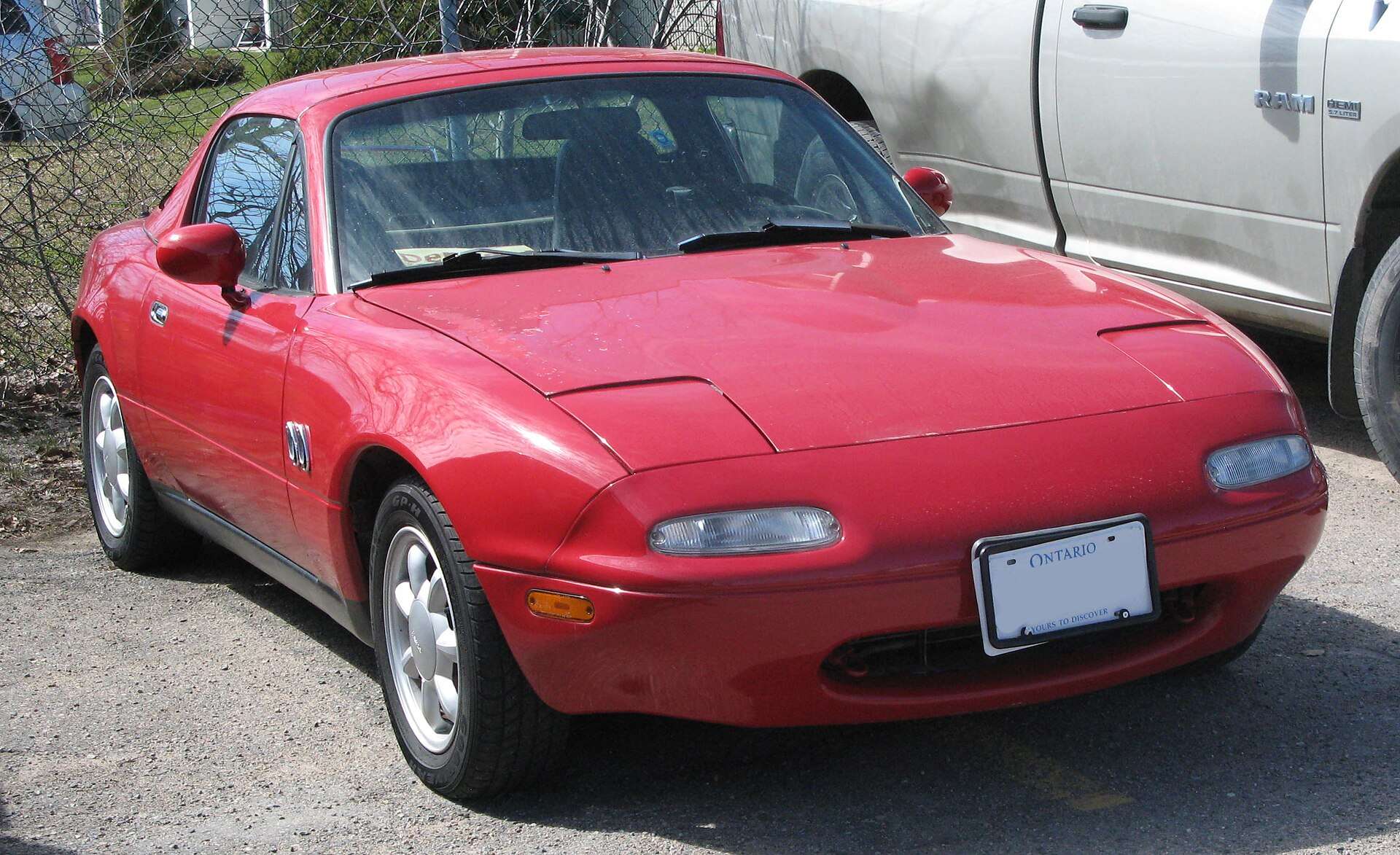
Mazda unveiled the MX-5 at the Chicago Auto Show on February 10, 1989, and the first cars reached North American dealers that May as 1990 models, with a base price of $13,995. About 431,506 NA cars were built through 1997, so this is not a scarcity story. The appeal is the formula: a rear-drive roadster of roughly 2,200 pounds with a five-speed manual and pop-up headlights, supported by one of the deepest parts ecosystems of any car its age. Mazda itself acknowledged the NA’s status when it began a factory restoration program in Japan in 2018, which drew more than 600 applicants.
Which NA to buy: the short version
| Buyer | Best fit | Why | Watch for |
|---|---|---|---|
| First classic or weekend driver | 1994–97 with the 1.8 | More power and torque than the 1.6, extra bracing and an available Torsen limited-slip. Hagerty’s buyer’s guide singles out 1994 as a favorite. | Paying an edition premium you will not use |
| Driving purist | 1.6-liter cars from late 1991 to 1993 | The lightest, most rev-happy NAs. Per Hagerty, the early short-nose crank applies to 1990 and early 1991 engines. | Less midrange torque; confirm build date and belt records |
| Edition collector | 1993 Limited Edition, M Editions, 1997 STO, 1991 Special Edition | Small production runs with distinct colors and trim | Most editions were largely cosmetic, so verify the paperwork |
| Track or autocross | 1994–97 R-Package | Torsen limited-slip, Bilstein shocks, stiffer springs and bars; 1.8 only | No power steering; 25-year-old shocks; track abuse |
| JDM enthusiast | Eunos Roadster V-Special or M2 models | Trim and tuning that North America never received | Import paperwork; Goodwood advises against the automatics |
Engines, transmissions and options
The NA came with two engines. The 1.6-liter B6ZE ran from 1990 to 1993, and the 1.8-liter BP-ZE arrived with the 1994 refresh. Figures below are U.S.-market numbers as compiled in Wikipedia’s NA entry; automatic cars were rated lower (105 hp on the 1.6).
| Years | Engine | Power | Torque |
|---|---|---|---|
| 1990–93 | 1.6-liter B6ZE | 115 hp at 6,500 rpm | 136 N·m (about 100 lb-ft) |
| 1994–95 | 1.8-liter BP-ZE | 129 hp | 149 N·m (about 110 lb-ft) |
| 1996–97 | 1.8-liter BP-ZE (OBD-II) | 133 hp | 155 N·m (about 114 lb-ft) |
Most cars have the five-speed manual. A four-speed automatic became available in 1991 and is the weakest choice for a collector. A viscous limited-slip differential was optional from 1990, and a Torsen replaced it from 1994 and was standard on the R-Package. Hagerty offers a quick check: matching mounting ears on both sides of the differential case indicate an open diff, different ears a viscous unit, and a four-pronged clover on the pinion a Torsen.
Option packages matter for originality. Early cars offered Package A (power steering, leather-wrapped wheel, alloy wheels, cassette) or Package B, which added cruise control, power windows and headrest speakers. ABS arrived in 1991 and required Package B. The R-Package, about $1,500 at its 1994 debut, could not be combined with power steering or the B and C packages.
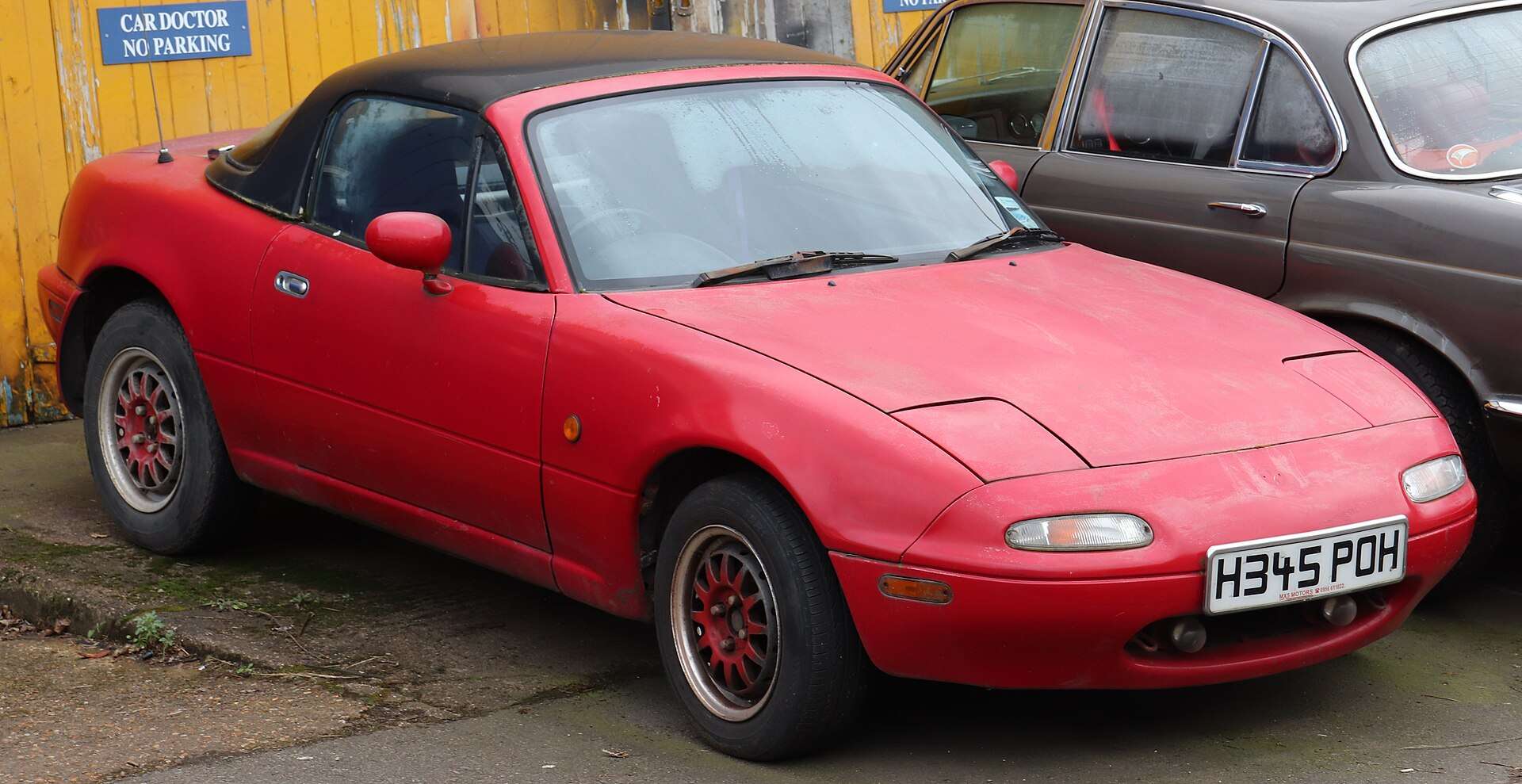
Grassroots Motorsports frames the 1.6-versus-1.8 choice well: the 1.8 is the performance pick, while the 1.6 rewards revving past about 4,000 rpm and feels sportier, if slower overall.
Production and rarity
With more than 430,000 built, rarity in the NA world lives in the special editions. The figures below are reported production numbers compiled in Wikipedia’s NA article; Hagerty puts the 1996 M Edition at 2,968 cars, so treat rounded numbers as approximate.
| Edition | Year | Reported production | Notes |
|---|---|---|---|
| Special Edition (U.S./Canada) | 1991 | 3,997 U.S. / 1,051 Canada | British Racing Green, tan leather |
| Limited Edition (UK) | 1991 | 250 | British Racing Green, tan interior |
| Sunburst Yellow | 1992 | 1,519 U.S. / 503 Canada | One-year color, a $250 option |
| Limited Edition | 1993 | 1,505 U.S. / 300 Canada | Black, red leather, sport suspension |
| M Edition | 1994–97 | About 3,000–3,500 per year | Special paint, leather, wood trim, unique wheels |
| R-Package | 1994–97 | 1,841 (U.S.) | Torsen, Bilstein shocks, stiffer bars; no power steering, automatic or leather |
| Special Touring Option (STO) | 1997 | 1,500 | Twilight Blue; sources disagree on its equipment, so verify the differential |
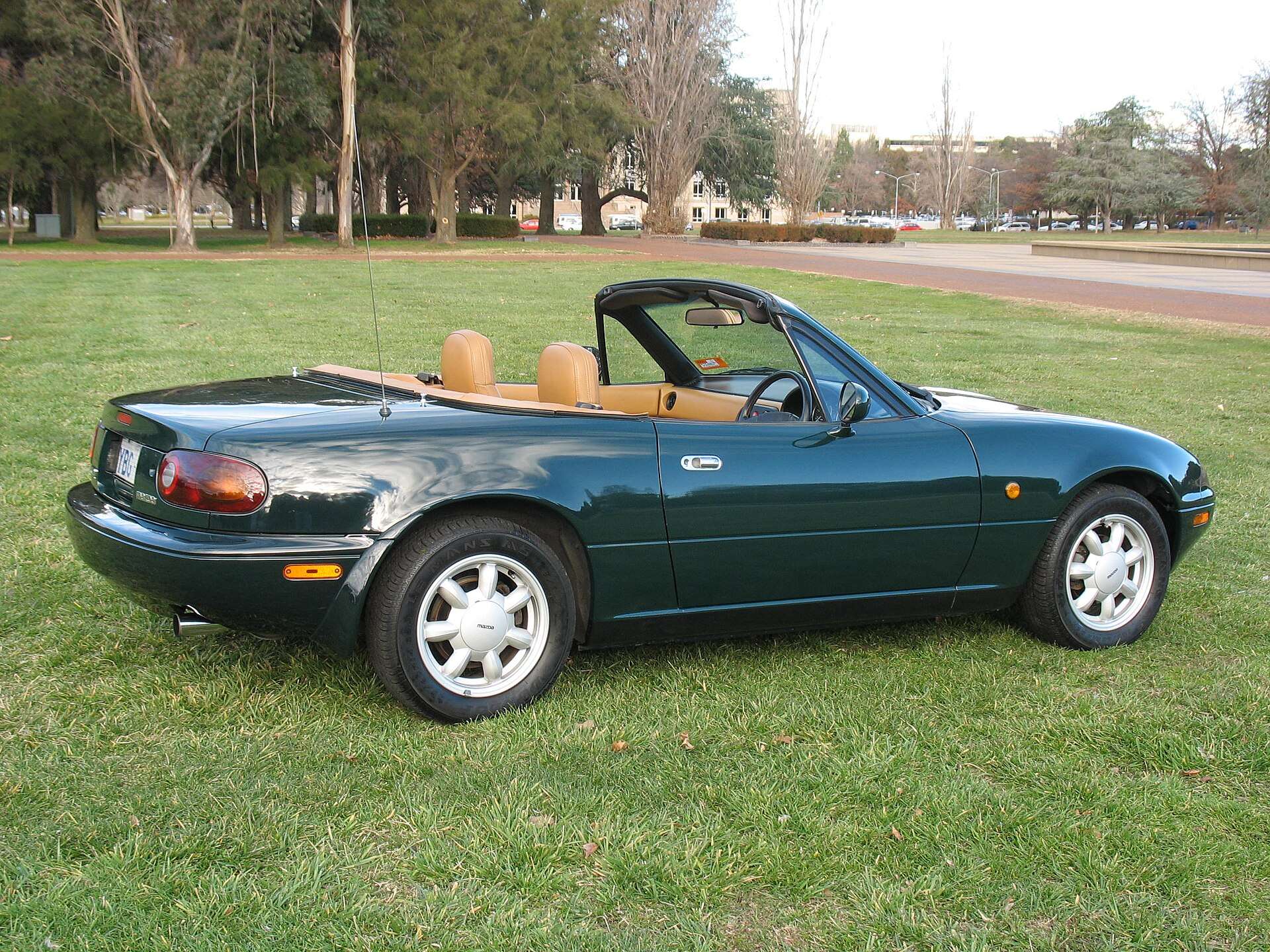
Japan had its own tier. Mazda’s M2 models, built in runs of about 300 cars each, and trims such as the V-Special were never sold in North America. If you are looking at one, the Eunos Cosmo 20B deep dive is a useful reminder of how differently Japanese-market Mazdas were specified. In the UK, about 750 cars received Brodie Brittain Racing turbo conversions in 1990–91, and Hagerty counts the Le Mans-themed BBR special edition among the most sought-after variants.
Known problems and inspection priorities
Start with rust
Every guide used for this article ranks corrosion first, and cosmetic bubbling can hide structural rot. Hagerty points to the rocker panels, especially ahead of the rear wheel arches, and warns that the factory drains clog and trap water. Goodwood’s list is longer: rear wheel arches, inner and outer sills, battery tray and boot floor, front chassis rails, floors, jacking points, suspension mounts, windscreen surround and lower front wings. Blocked hood drains can rot the sills from the inside, so check for damp carpets and a damp boot. Later cars’ front frame rails are multi-layered and can corrode between the layers, according to Octo Classic. Poor patch repairs are common. The Toyota FJ40 buying guide makes the same point about another Japanese classic: judge the metal before the mechanicals.
The short-nose crank
The best-known mechanical risk is the early 1.6’s crankshaft nose. Hagerty explains that on 1990 and early 1991 engines, a crank seal replacement during belt service can leave the pulley key improperly seated, which can fail the pulley bolt and may require a new crank. Sources disagree on the cutoff: Grassroots cites 1989–90 cars, while Hagerty cites 1990 and early 1991. Treat any early 1.6 as suspect until you see records showing who did the belt service. Grassroots adds that the practical risk is a loosening crank bolt, which is why proper torque and thread locker matter.
Soft top and body
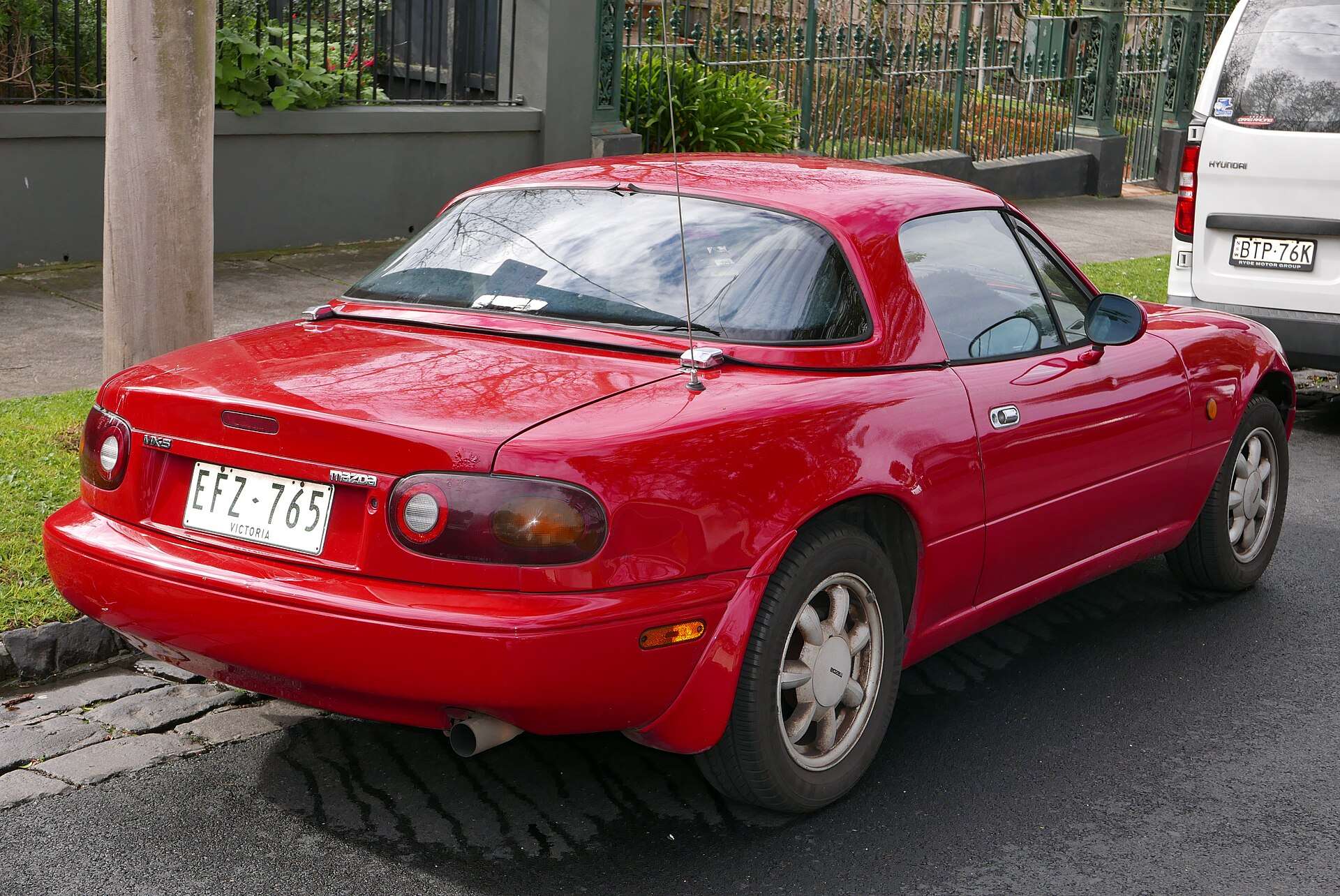
Goodwood notes that the original zip-out plastic rear window can crack with age or poor folding, and that vinyl hoods wear out. Aftermarket hoods are described as affordable, so a tired top is a bargaining point, not a deal-breaker. Many buyers upgrade to a later glass-window hood. A factory-style hardtop is a desirable accessory on an original car.
Engine and cooling
- Ask for timing-belt records. With none, Goodwood says to price the service into your offer.
- Look for oil leaks at the back of the rocker cover, often a cam position sensor seal, and check the oil filler cap for milky residue.
- Listen for noisy hydraulic tappets.
- Radiators have plastic end tanks that turn brittle; Grassroots says a greenish tint suggests replacement.
Chassis, brakes and drivetrain
- Listen for clonks from tired bushes and pivots, and check the alignment geometry.
- Check rear brake calipers for seizing, especially on cars left sitting with the handbrake on.
- Run the ventilation fan through every speed; Goodwood says the control cables can snap.
- Operate the pop-up headlights through several cycles.
- Look for signs of hard use. Grassroots warns that some NAs were driven as stanced or drift cars.
Interior
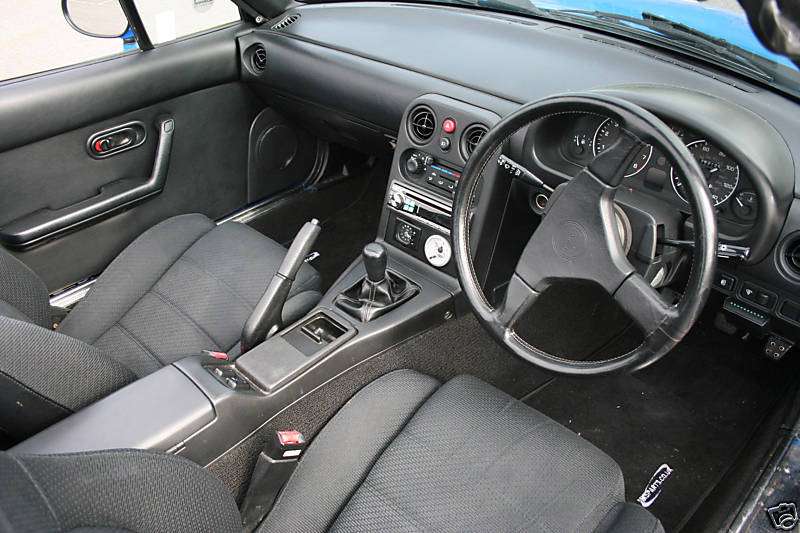
Cloth seats wear early, particularly the driver’s bolster. Hagerty also notes that headrest speakers are often blown and that early audio systems use a theft code, so ask for the reset procedure.
Originality, documentation and common modifications
Hagerty warns that many factory parts, including shift knobs, wheels and airboxes, were discarded when owners personalized their cars, so a truly original NA may require sourcing parts. Confirm any claimed edition from paperwork rather than trim alone. When a 1997 STO sold on Hagerty Marketplace in August 2026, it came with its window sticker and a clean history report, which is the kind of documentation a premium should rest on. I found no single published identification scheme for every NA edition that I could verify, so ask the seller for factory paperwork.
The most common upgrades are sway bars, bushings, wheels and tires, and a roll bar for track use. Grassroots says suspension, tires, wheels, chassis and brakes deliver more benefit per dollar than power, and that significant power gains cost around $4,000 or more. Goodwood cautions that cheap coilovers, poor alignment, noisy exhausts and badly fitted turbo kits can make a car worse. Reversible, well-documented changes are easier to live with than a one-off engine build.
Ownership costs and parts availability
Parts support is a major reason to buy an NA. Goodwood calls it very easy by classic-car standards, with new, used, pattern and performance parts widely available; brake calipers are easy to source but expensive, and rare edition trim is harder to replace. Grassroots points to Mazda’s Team Support Program for factory parts. I could not find a credible, current published figure for routine NA maintenance or restoration costs, so I have not put dollar numbers on them. Get a quote from an MX-5 specialist, particularly for rust repair, which Hagerty says a good body shop can handle.
What recent sales show
Classic.com’s NA tracker shows an average sold price of $12,002 across 660 recorded sales, with a low of $1,471 and a top of $45,500; the page does not date its statistics. Hagerty’s Canadian insights page lists the 1996–97 cars at $41,700 in top condition, the highest in its price guide. For all Miata generations combined, Hagerty reports nearly 900 cars offered at auction in 2024 with about 90% selling at an average of $15,700, versus fewer than 300 offered in 2020 at an average of $13,000.
| Car | Price | Where and when | Note |
|---|---|---|---|
| 1990 Miata | $15,750 | Online auction, April 5, 2026 (Hagerty record) | Mileage not shown in the record I accessed |
| 1997 STO, 83,100 miles | $12,412 | Hagerty Marketplace, ended August 18, 2026 | 20 bids; window sticker and clean history report |
| 1997 M Edition, 108,700 miles, one owner | $11,877 | Hagerty Marketplace, June 25, 2026 | No reserve; 20 bids |
| 1994 R-Package, about 38,000 miles | $21,000 | Classic.com record, May 9, 2025 | Older than a year |
| 1993 Limited Edition, 39,000 miles | $14,250 | Classic.com record, May 14, 2024 | Older than two years |
Read these as individual sales, not price-guide values. Two 1997 cars, a 1,500-unit STO at 83,100 miles and a one-owner M Edition at 108,700 miles, sold within about $535 of each other, a reminder that mileage and condition can outweigh an edition name at this price level. The R-Package and the April 1990 sale show that strong cars can land well above the cluster. A handful of comparables does not establish a trend, and nothing here should be read as a prediction.
What separates an exceptional NA from an average one
- Dry, original metal: sills, rails, floors and arches with factory seams rather than patches.
- Documented belt and water-pump service, and for early 1.6 cars, records showing the crank pulley was handled correctly.
- Factory wheels, shift knob and airbox retained, or correctly sourced replacements.
- An uncracked top and rear window, and an interior with intact seat bolsters.
- The right differential for the claimed trim, supported by a window sticker or factory paperwork.
- A recent cooling system and no signs of stanced, drift or track use.
The bottom line by buyer
If you want to drive the car, buy the best-sorted 1994–97 you can find and skip the edition premium. If purity matters more than torque, look for a documented 1.6 from 1992 or 1993. If you want an edition, let the paperwork, not the paint, justify the price. If you are weighing other lightweight driver’s cars, our comparisons of the Honda S2000 and BMW Z4 M Roadster, the BMW Z3 M Coupe and Lotus Elise and the RX-7, 300ZX Twin Turbo and MR2 Turbo show how the NA’s price and ownership profile compares. Avoid early 1.6 cars with no belt history, automatics, and cars with heavy modification.
Sources
- Hagerty: Your handy (1990–97) Mazda Miata buyer’s guide
- Goodwood Insurance: Mazda MX-5 (NA) buyer’s guide
- Grassroots Motorsports: Which NA Miata is right for you?
- Octo Classic: A technical buyer’s guide to the Mazda MX-5 NA
- Hagerty: Buyers Guide, Mazda Miata
- Wikipedia: Mazda MX-5 (NA)
- Hagerty: Cars You Should Know, Mazda Miata
- Classic.com: Mazda MX-5 Miata NA market
- Hagerty Marketplace: 1997 Miata STO result
- Hagerty Marketplace: 1997 Miata M Edition result
- Classic.com: 1993 Limited Edition sale record
The collector car market, every weekday morning.
Auction results, price moves and what’s crossing the block, read in four minutes. Free, from Modern Car Collector.
No spam, unsubscribe in one click. Or read more about the Brief.

 Kyle Matthews
 Eve Nowell