

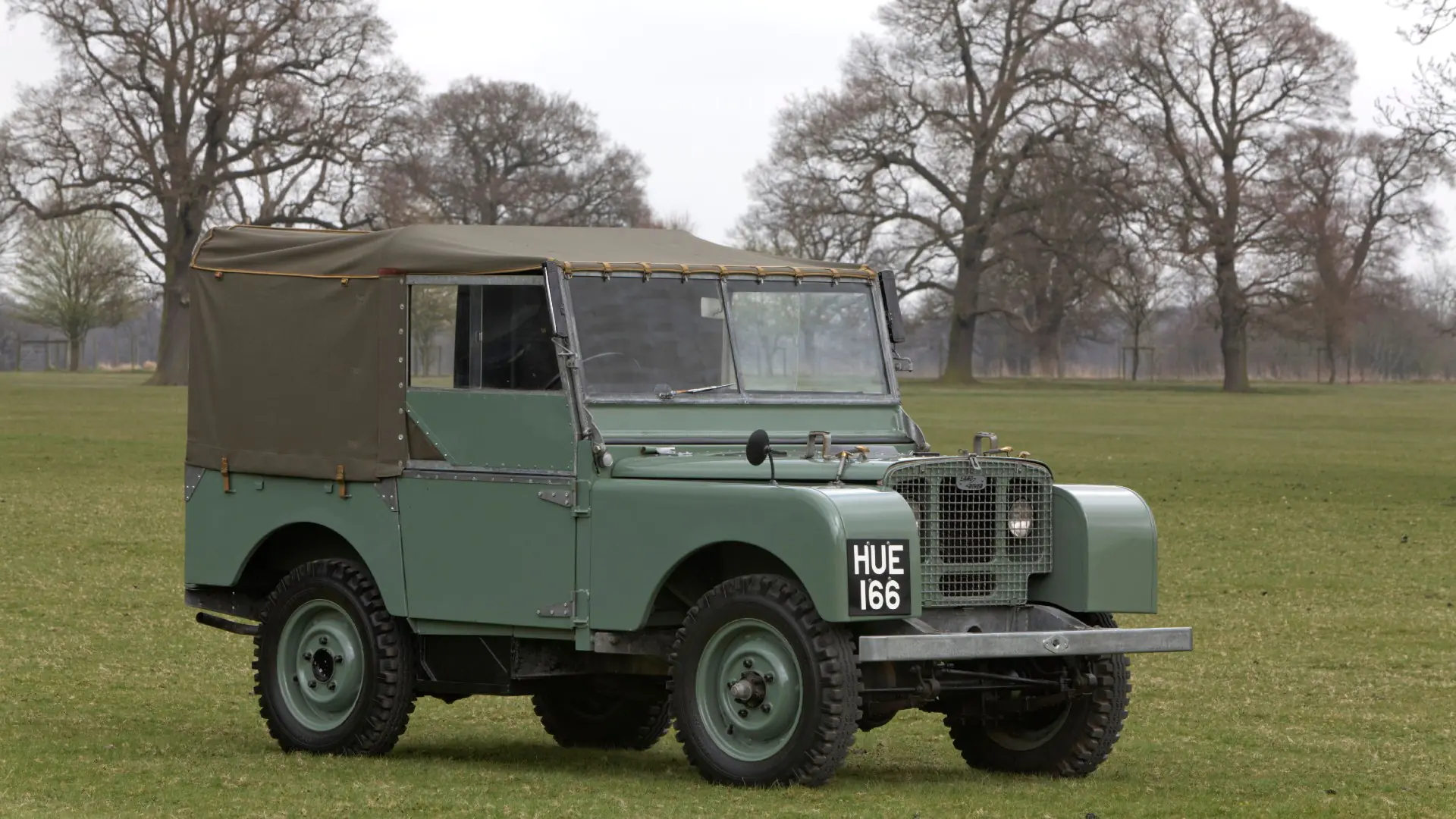
Land Rover Series I originality begins with an uncomfortable fact: on the earliest 80-inch cars, the number most buyers read first sits on a plate, and a plate is the easiest part of the vehicle to move. The Heritage Parts Centre notes that the chassis plate, usually riveted to the engine side of the bulkhead or fixed inside the cab, can be transferred to another vehicle, and it recommends checking the number stamped on the outside of the front right-hand chassis leg instead.
That makes the 80-inch Series I, built from 1948 to 1953, a vehicle where paper, stamping and hardware have to agree. The bulkhead plate is a claim. The stamped chassis, the factory ledger and the numbered driveline are the evidence.
Why originality carries real money on an 80-inch
Auto Express’s Series I buying guide says the 80-inch models have the highest values of the Series I family and that originality matters most on them, pricing excellent examples from £15,000 to £50,000-plus. Classics World’s buyer’s guide adds that an original car holds its value better and that a car with upgrades can cost up to 20 per cent less. On the numbers themselves, it is blunt: “If anything’s amiss, it will affect the value.”
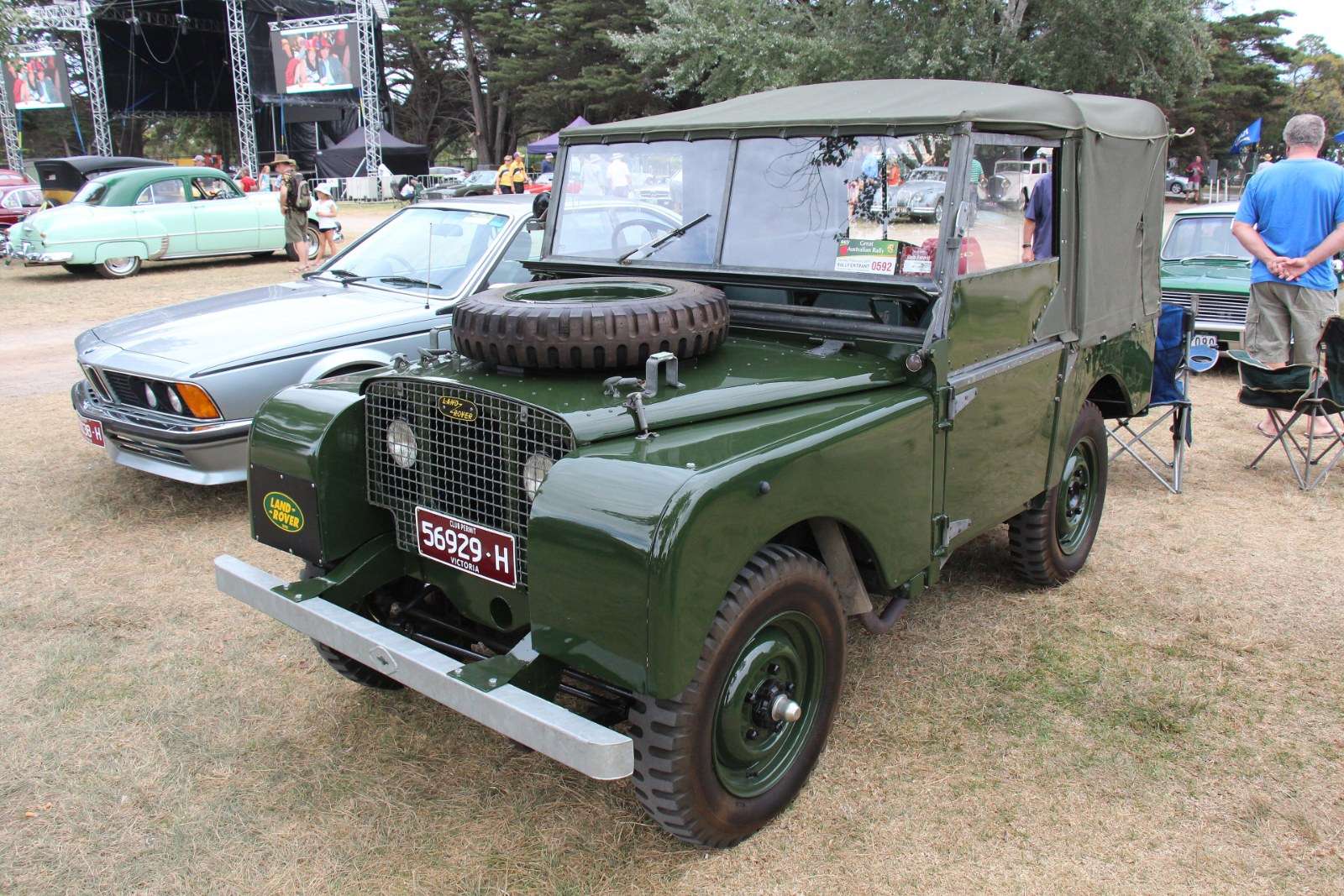
Two 2025 auction results show how wide the range runs. RM Sotheby’s sold a 1948 “pre-1500” 80-inch, chassis R-860756, at its Cliveden House sale for £57,500. The catalog describes it as the oldest known surviving military Land Rover, number six of the first 20 supplied to the Ministry of Supply, with a chassis that reportedly showed no welded repairs when restoration began. At an Iconic Auctioneers sale at the NEC, a 1949 80-inch with matching chassis and engine numbers, an ex-MOD history, a chassis restoration and a reconditioned engine and gearbox sold for £19,688.
Neither result isolates what originality alone is worth, because history and condition drive both. They do show that on this model the story behind the numbers is the price.
How to read an 80-inch chassis number
According to the Land Rover FAQ, 1948–49 chassis numbers run to six or seven digits with an L or R prefix for left- or right-hand drive. The first digit, 8, indicates 1948–49 and the second, 6, indicates a Land Rover. Seven-digit numbers add a model digit (6 for basic, 7 for station wagon, 8 for welder), and the last four digits are the serial, starting at 0001, with the FAQ noting an exception in the 866 series, which starts at 3001. From 1950 the numbers run to eight digits: the first digit gives the year (0 for 1950 through 3 for 1953), the second is 6, the third gives the model type and the fourth the destination, and the letter prefix appears only on 1950 models.
Read that way, RM’s R-860756 is a right-hand-drive 1948–49 Land Rover with serial 0756, which fits the “pre-1500” description. That is this article’s reading of the FAQ scheme, not a statement from RM. The same scheme would read the NEC car’s R06103288 as a 1950-model number, although the lot is catalogued as 1949. That may reflect build-date versus model-year dating, but it is exactly the kind of mismatch to put to the factory record before paying.
Sources also differ on where to look. The FAQ places the number on the nearside engine mounting and on a brass bulkhead plate, later moved inside the cab. Pegasus Bulkheads says that before October 1950 the number is stamped on a plate on the engine side of the bulkhead, left-hand side, and from October 1950 appears on the Transfer Box Instruction plate on the cab side. The Heritage Parts Centre points to the front right-hand chassis leg. These may reflect different periods and references, so do not settle for one: find the stamping on the frame, photograph it, and ask the Series One Club to confirm where it belongs for that build date.
Engine, driveline and the details that date a car
The first 80-inch cars used a 1.6-litre petrol engine adapted from the Rover P3 75 saloon, rated at 55 bhp until 1951, when a 2.0-litre engine arrived, according to Classics World and Auto Express. Early cars also had a semi-permanent four-wheel-drive system with a freewheel at the front that could be locked with a ring-pull. Auto Express advises confirming with the Series One Club that the engine, gearbox and pre-1957 semi-floating rear axle are original.
A different engine is not automatically a red flag if the change is documented. RM’s catalog says its 1948 car’s original side-plate engine was replaced in service by a reconditioned 1949 core-plug unit, evidenced by a Ministry of Supply brass overhaul plate on the block, and calls such swaps common among early survivors. A period change with a plate and a paper trail is a different proposition from an unexplained later one.
Small features help date the vehicle. The Land Rover FAQ says early 80-inch cars have their headlamps behind the galvanized grille while later ones show them through it, that early cars have no side light on the wing, and that 80-inch cars generally have tapered doors with no side sills and square-ended fresh-air vents. Pegasus Bulkheads adds that wheels made after early 1949 are date-stamped with the month and year in a circle, and that starter motors and control boxes also carry date stamps, which a buyer can compare with the claimed build date. RM’s catalog also describes the restored 1948 car’s silver chassis and black axles as factory-correct, a reminder that colour is a restoration choice worth checking against the record.
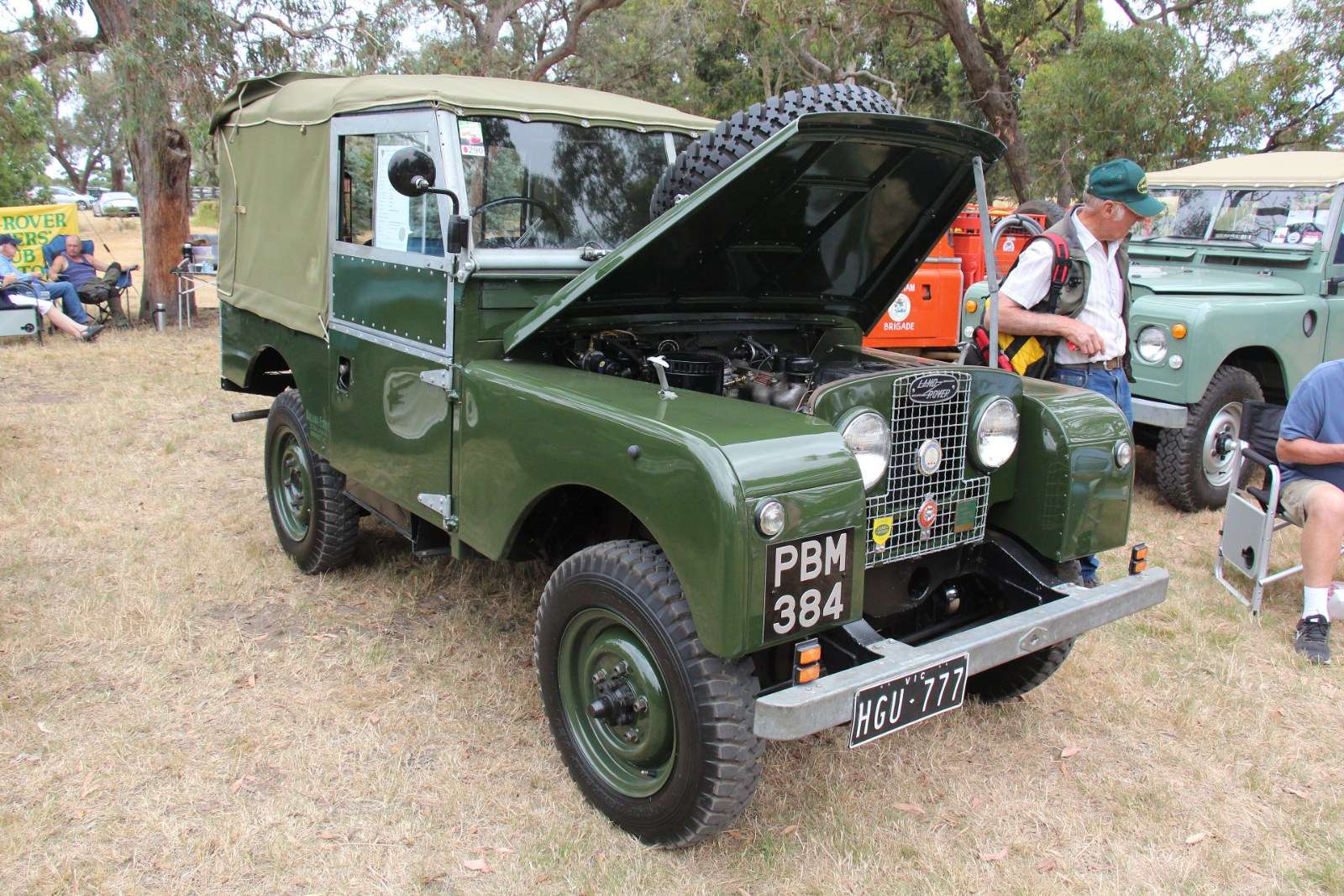
The earliest cars deserve extra scrutiny. The FAQ says pre-production Land Rovers, built between March and August 1948, had their numbers, 1 to 48, painted on the front rung of the ladder frame, which is not how production cars were numbered. Anyone offering one as pre-production is selling a museum-grade object and should be able to prove it.
What the Heritage certificate settles, and what it does not
The British Motor Museum’s Heritage certificate is a certified copy of the car’s entry in the original factory ledger. The museum lists build and despatch dates, engine and body numbers, the colour scheme and factory-fitted equipment among the details it can show, with the caveat that ledger detail varies by model. A standard certificate costs £52 plus postage, and a Premier certificate with a photo costs £65. The museum’s page does not specifically mention chassis numbers, so ask before ordering.
The limit is logical rather than administrative: a ledger records what left Solihull, not what is under the bonnet now. Its value is as a yardstick for the stamped chassis, the engine and body numbers, the colour and the equipment. The same approach decides value on other marques, as in our look at the Alfa Romeo Giulia Sprint GTA and its archive paper and our report on why a hoard’s paperwork mattered more than its cars.
Where claims go wrong
The documented risks are few and consistent. A bulkhead plate can be moved. A driveline can be replaced without disclosure. Upgrades can be presented as originality: Classics World’s author likes a 2.25-litre engine and uprated brakes for usability, but the same guide says upgrades cost value. And a catalog date can fail to fit the number scheme. For how a re-engineered Land Rover is priced against an original, compare our report on the Helderburg Defender 110, and for how the market treats condition and paint on a later Land Rover, see Kim Basinger’s Defender 90.
What to verify before you buy
- Find the number stamped on the chassis itself, not only on the plate, and photograph both. Confirm with the Series One Club where the stamping should be for that build date.
- Decode the number against the scheme for the claimed year, including the prefix and digit count, and question any mismatch.
- Order or request a Heritage certificate and compare build and despatch dates, engine and body numbers, colour and equipment with the car.
- Check engine, gearbox and rear-axle numbers with the club, as both Auto Express and Classics World advise.
- Look at date-stamped parts such as wheels, starter and control box against the claimed build date, and at period features such as headlamp position.
- Ask for restoration records and any overhaul plates that explain replaced components.
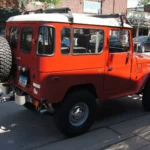
- Inspect the steel-laminate bulkhead, A-posts and footwells for rust, then the rear crossmember and front dumb-irons. Auto Express says the bulkhead is hard to repair properly, and that the early aluminium steering box can crack. Our Toyota FJ40 buying guide covers similar rust zones on a rival vintage 4×4.
Prices quoted here come from published guides and individual auction results, not an appraisal, and one sale does not make a market. What the evidence supports is narrower and more useful: on an 80-inch Series I, the best-documented numbers are the ones a buyer verifies independently.
The collector car market, every weekday morning.
Auction results, price moves and what’s crossing the block, read in four minutes. Free, from Modern Car Collector.
No spam, unsubscribe in one click. Or read more about the Brief.

 EL Puckett
 Shawn Henry