

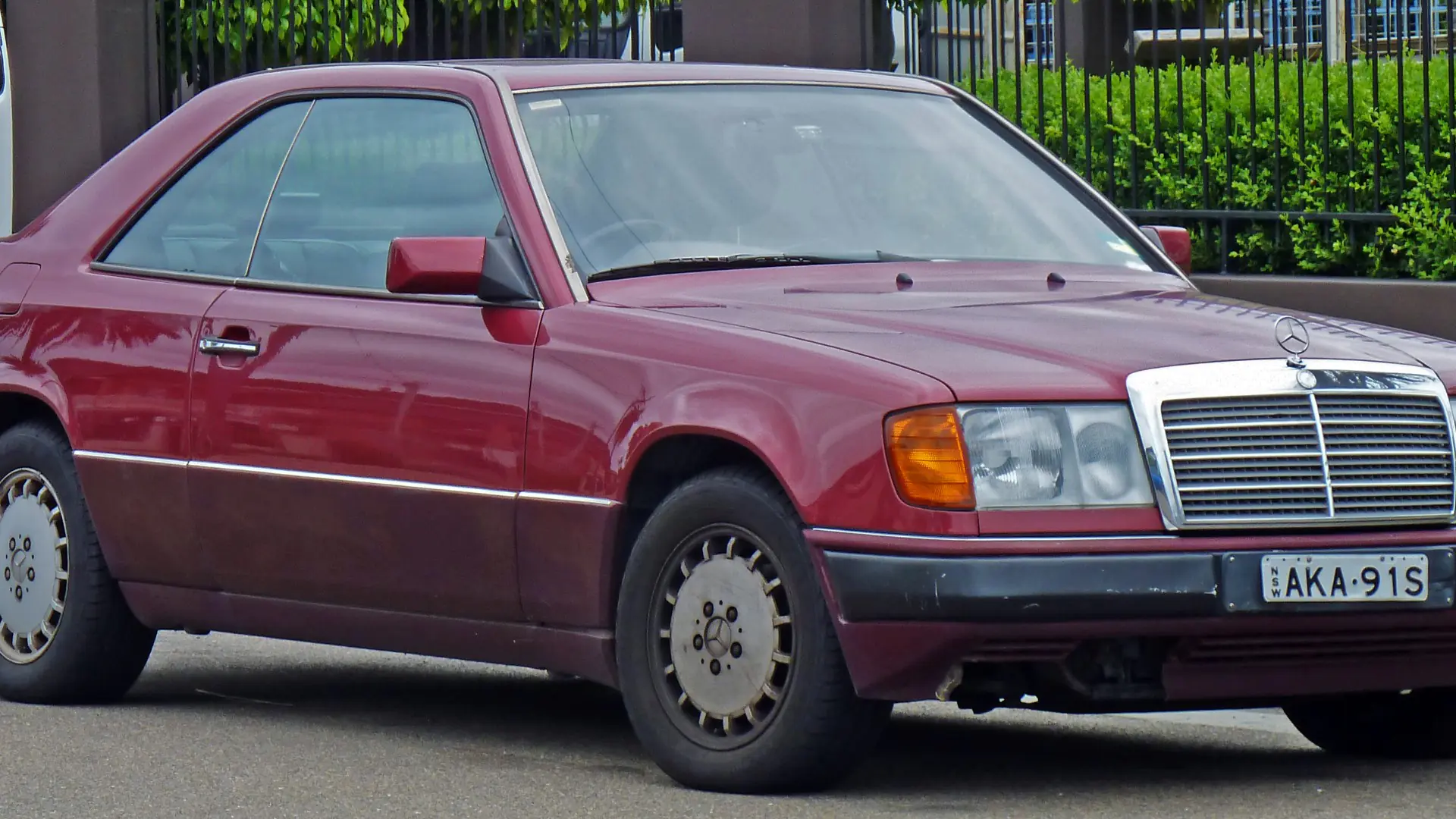
The most interesting live lot today is not the priciest. It is a black 1991 Mercedes-Benz 300CE-24 in Oslo, a Lotec 300CE-24 that the German tuner rebuilt into a turbocharged widebody coupe, and it is bidding at €28,500 on Collecting Cars as of 9:19 a.m. ET, with the auction due to close around 1:35 p.m. ET today. It is a useful test of a question the C124 market has not settled: what is a documented tuner conversion worth when it sits between an ordinary 300CE-24 and a genuine AMG widebody?
Why this Lotec 300CE-24 turbo is worth a closer look
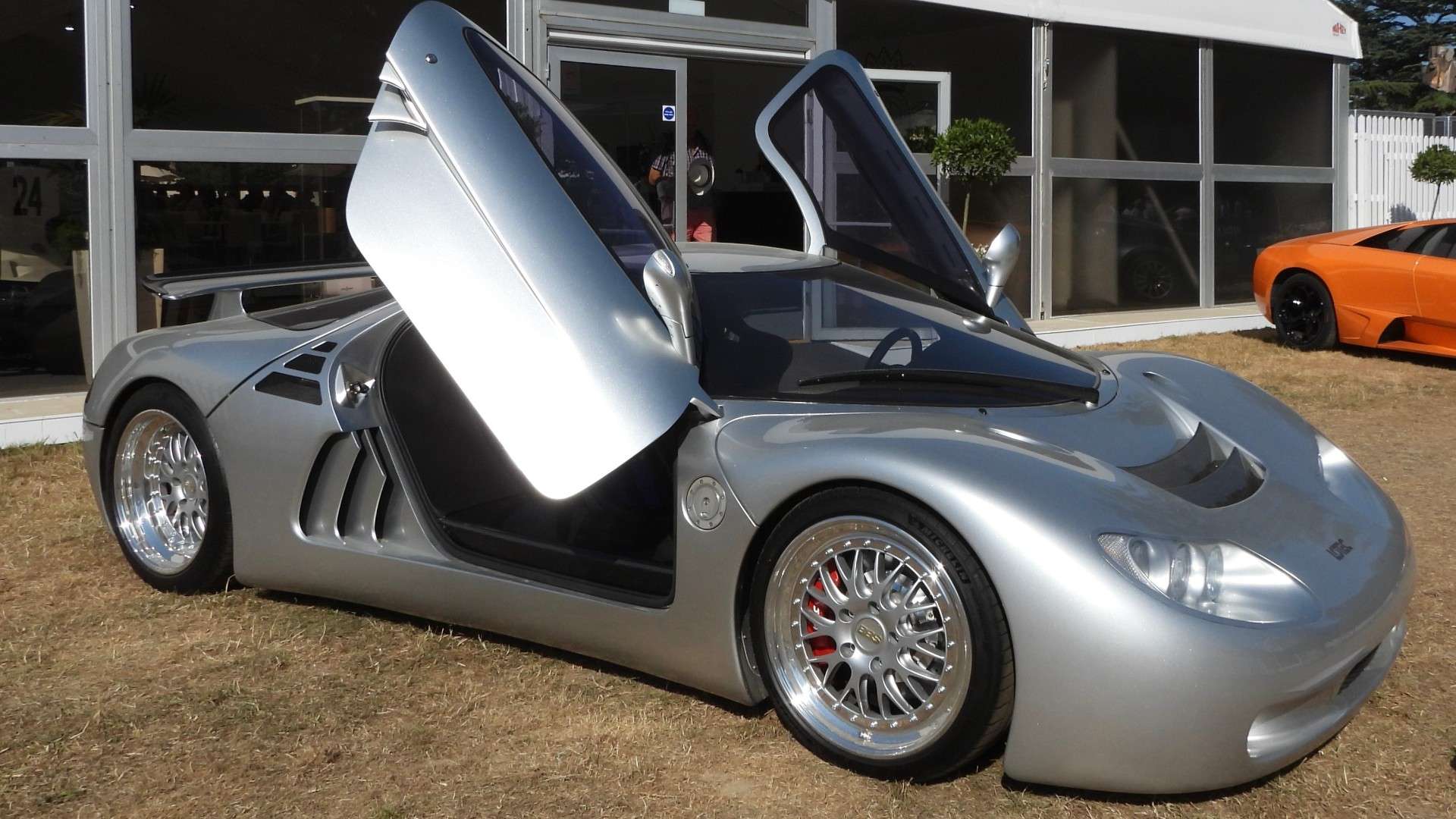
Lotec is better known for outlandish projects than for coupe conversions. According to the history on dealer Mechatronik’s listing for a Lotec-turbocharged 300CE-24 Cabriolet, Kurt Lotterschmid founded the firm in 1962, and it later built the one-off C1000 with a carbon-fibre monocoque and a Mercedes biturbo V8. The company’s Sirius, a twin-turbo V12 supercar of which only one is known to exist, shows how far the name could stretch. A turbo widebody 300CE is the same instinct applied to Stuttgart’s quietest coupe.
Specifications: what the car is, and what the seller claims
The facts about the base car are well documented. The 300CE-24 carried the 3.0-liter, 24-valve M104 inline-six, rated at 220 horsepower at 6,400 rpm and 310 Nm of torque at 4,600 rpm, according to a W124 reference guide. That guide, and Wikipedia’s W124 entry, put 300CE-24 production at 24,463 cars between 1989 and 1992, out of 141,498 C124 coupes overall. The Lotec claims below come from the seller’s listing and are unverified by MCC.
- Engine: turbocharged M104, estimated by the seller at around 400 hp. Other Lotec cars cite lower numbers: Mechatronik’s Cabriolet is quoted at 354 hp using a Garrett T04 turbo at up to 0.6 bar, and a Lotec 300CE offered in Japan was advertised at 382 hp. Treat 400 hp as an estimate, not a measurement.
- Transmission and drive: five-speed automatic, rear-wheel drive, left-hand drive.
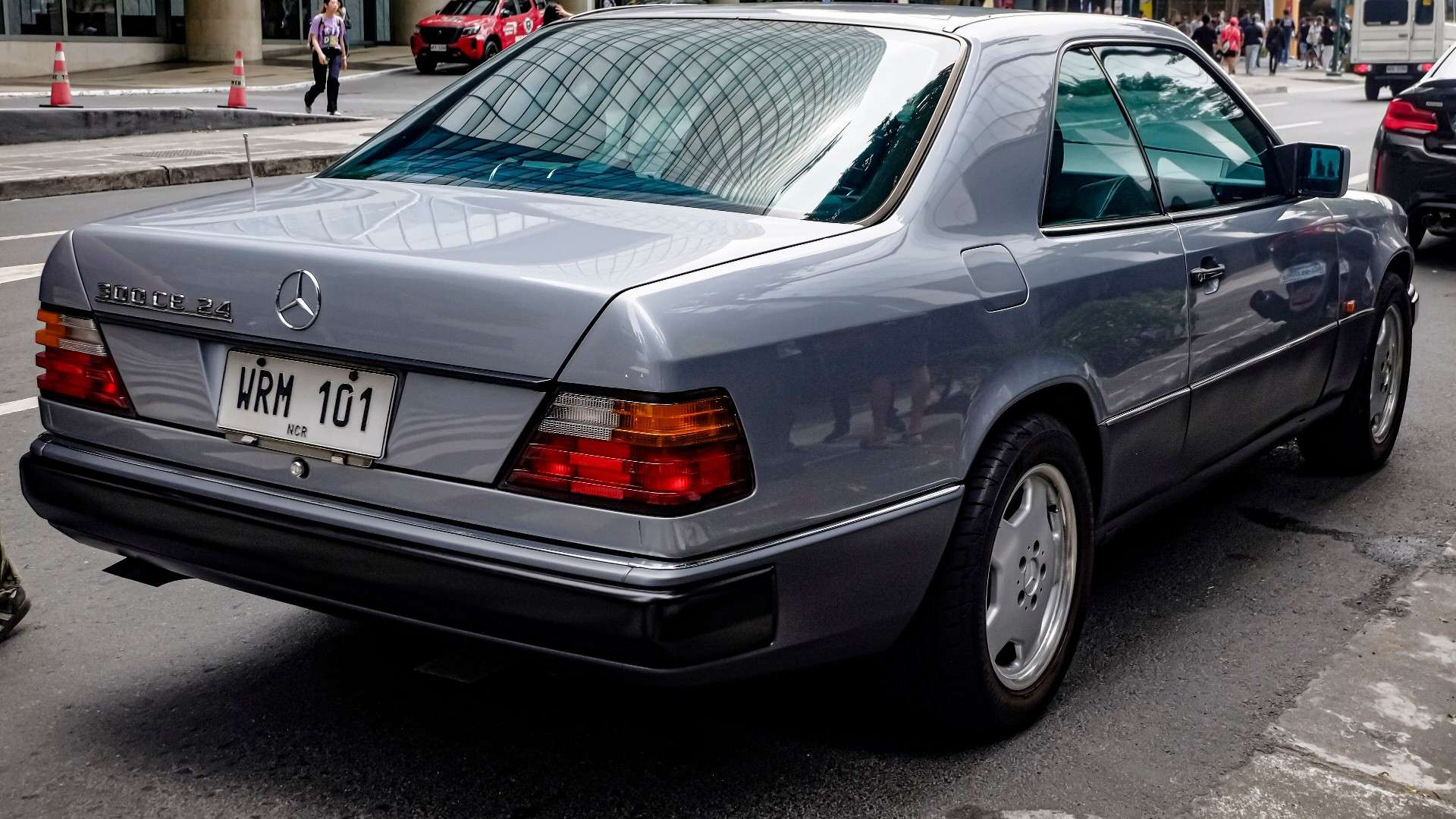
- Body: Lotec widebody with front wings and rear arches, widened door panels, side skirts, bumpers and rear spoiler, plus an R129 SL-style front end.
- Chassis and cabin: Lotec wheels over upgraded brakes, a Lotec exhaust, a 300 km/h Lotec speedometer, black metallic paint, grey leather with wood, climate control, cruise control, a sliding sunroof and heated front seats.
- Odometer: the description says 78,000 km, while the page header shows 73,000 km indicated. The seller states the reading is not warranted.
Production rarity: an estimate, not a count
The seller calls this one of an estimated 50 Lotec Turbo Widebody conversions. I could not find a published Lotec production figure, a registry or a build list that confirms that number, so it should be read as the seller’s estimate. The wording matters because rarity is the thread running through this listing. One Lotec 300CE that circulated in a Japanese enthusiast forum carried a “Special 003” label, which hints that Lotec may have numbered its builds, but that is an inference from a single forum post and not a documented fact.
Provenance, ownership history and documentation
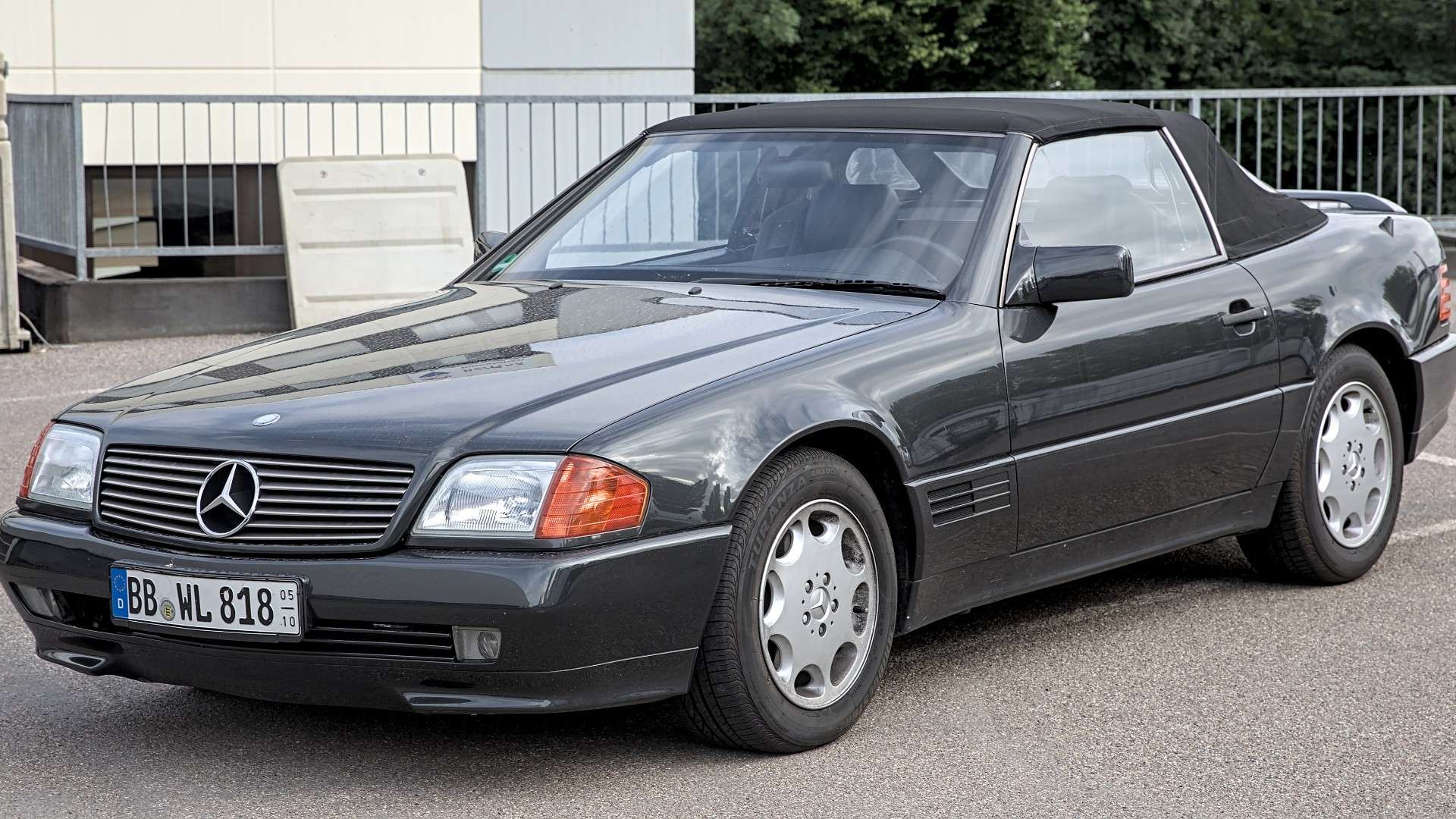
Ownership is thin. The listing says the car was first registered in 1991, was previously registered abroad, and was imported to Norway in March 2025. It does not name earlier owners or say where the conversion was done. What it does offer is paper: the Lotec modifications are recorded on German TÜV papers, and the car comes with its German Fahrzeugbrief, the original Mercedes-Benz data card, an extra radio, its Norwegian registration card, two keys and some service documentation. The seller also says an independent report from Style Auto AS in Vestby covering cosmetic, mechanical and electrical condition is available. The data card matters here for the same reason it does on a 300 SL Gullwing: it proves what left the factory, which is the baseline against which every modification is judged.
Auction details and bid status
- Auction house: Collecting Cars, online, with the car located in Oslo, Norway.
- Lot number: the listing shows no conventional lot number; the reference is the listing page.
- Auction date: live now and due to end around 1:35 p.m. ET on October 20, 2026.
- Current bid: €28,500 after 39 bids from 8 bidders, checked at 9:19 a.m. ET. This is a live bid, not an estimate and not a sale price.
- Estimate and reserve: the listing shows no estimate, and the page I read does not state whether a reserve applies.
Comparable sales
There is no clean comparable for a Lotec turbo, so the evidence comes from the surrounding tiers, all on Bring a Trailer in 2026. A genuine AMG-converted car, a 1992 300CE-24 AMG 3.4 widebody described as one of an estimated 25, sold for $251,000 on June 6. At the other end, an unmodified Euro-spec Sportline five-speed brought $18,750 on March 12.
The middle tier is more revealing. A 1991 300CE-24 with an AMG-style body kit, spoiler and 17-inch wheels sold for $75,000 on March 6. The July 8 listing describes the same equipment, the same 96,000-mile reading and the same Arctic White and red leather, so it appears to be the same car, and it sold for $47,650. That is an inference from matching descriptions, but if it holds, styling alone lost more than a third of its value in four months. For the Oslo car, that is the cautionary data point; its documented engineering is the argument for a better outcome.
Condition and potential concerns
- Odometer discrepancy: 73,000 versus 78,000 km on the same page, with no warranty on either figure.
- Unproven output: no dyno sheet, boost figure or Lotec build documentation is mentioned beyond the TÜV entry. Ask for one.
- Driveline stress: a turbo M104 behind a five-speed automatic raises the question of how the gearbox, cooling and fuel system were upgraded. The listing does not say.
- Parts and repairs: Lotec bodywork and an R129-style nose are not catalog items, so damage or age-related issues become fabrication problems.
- Cross-border cost: the listing warns that duties, taxes and environmental levies may apply to an imported car, and a 1991 car is old enough to be eligible for U.S. import, but shipping and compliance are the buyer’s problem.
- Condition evidence: I have not inspected the car; condition rests on the 223-photo gallery and the seller’s report.
The key factor: the paperwork has to turn a tuner car into a documented conversion
This section is interpretation, not fact. The collector market already pays for provenance in modified cars, as it did when a modified Porsche outsold a genuine Carrera GT at Mecum Monterey, and when the Brabus Bodo raised questions about what a heritage-tuner name is worth. The common thread is that the buyer pays for the name only when the name can be proven.
For this Lotec, the TÜV entry and the data card are the strongest proof in the listing, and the Style Auto report is the item most likely to move the last bids. A bidder who sees TÜV-registered output, a reconciled odometer and a clean report is buying a rare period conversion. One who sees none of that is buying a heavily modified 300CE with a large spoiler. The $18,750 original and the $251,000 AMG bracket the outcome; the Lotec’s final price will say which side the market thinks it sits closer to. The same logic ran through the Porsche 964 Speedster on Collecting Cars that MCC covered last week, where the mileage proof set the price.
Sources: Collecting Cars listing; BaT 1992 AMG 3.4 widebody; BaT 1991 Sportline; BaT March 2026 sale; BaT July 2026 sale; Mechatronik; Wikipedia W124; Wikipedia Lotec Sirius. Bids and auction status were checked on October 20, 2026 and will change.
The collector car market, every weekday morning.
Auction results, price moves and what’s crossing the block, read in four minutes. Free, from Modern Car Collector.
No spam, unsubscribe in one click. Or read more about the Brief.




 Shawn Henry