

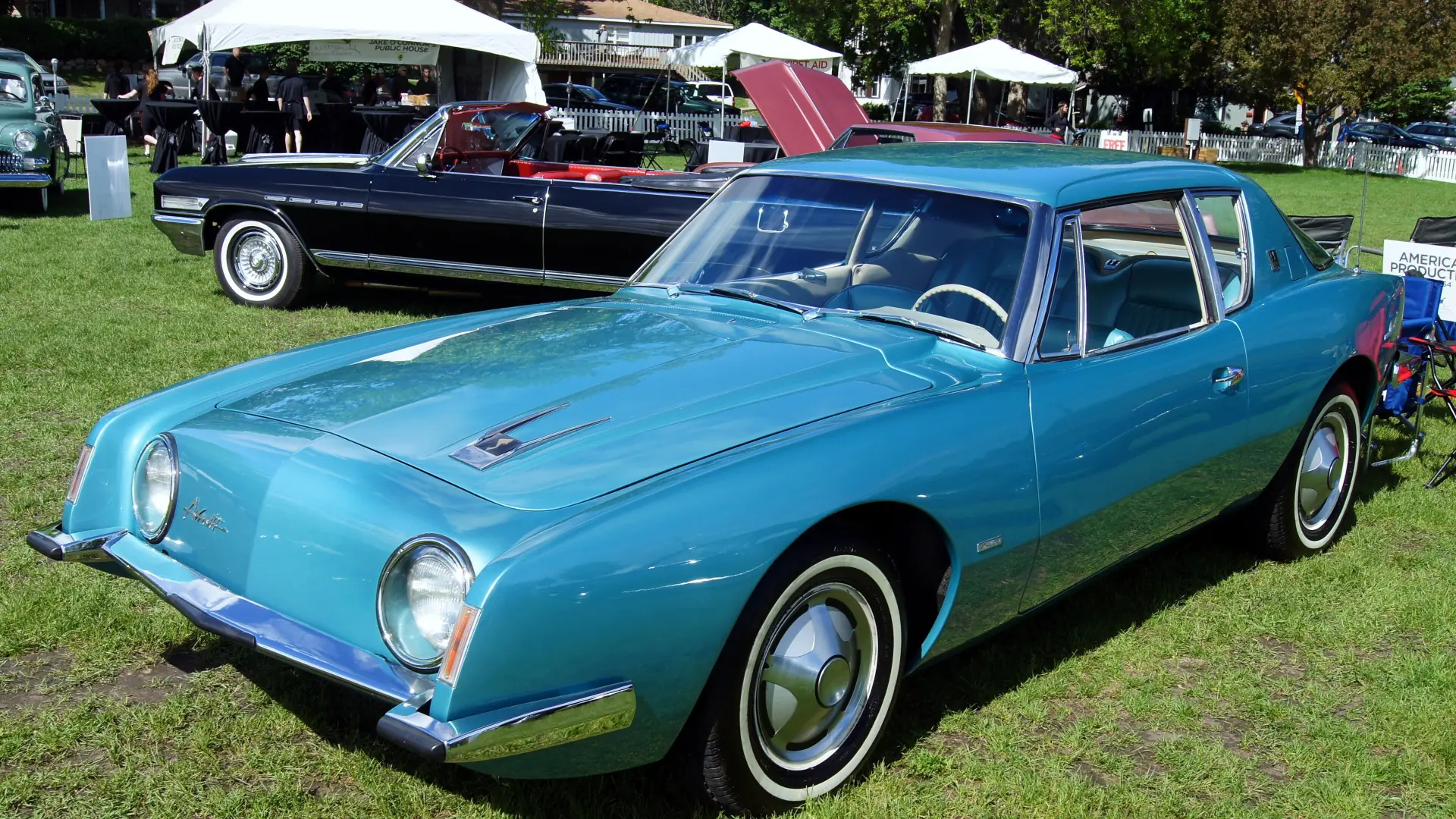
A Studebaker Avanti R2 is the car the market pays extra for, and the thing that makes it an R2 is a Paxton supercharger bolted to a 289 cubic-inch V8. That is exactly the problem. A blower is the most visible part of the car and also a component that can be added, removed or swapped, so it is a poor stand-in for proof. On an Avanti, the better question is whether the engine number, the cylinder heads and Studebaker’s own factory records tell the same story.
What the Studebaker Avanti R2 Actually Is
Studebaker built 4,647 Avantis at South Bend between June 1962 and the end of 1963, according to the production tallies on Bob’s Studebaker Resource Website. The standard engine was a 289 V8 rated at 240 horsepower, which collectors call the R1. The R2 used the same displacement with a Paxton supercharger, and Paul Niedermeyer of Curbside Classic puts it at roughly 280 to 290 horsepower, an estimate rather than a factory figure.
The same site’s counts show 1,552 R2s among the 1963 cars and 281 among the 1964-model cars, about 1,833 in all, or roughly four in ten Avantis. Those tallies add up to 4,643 across every engine, four short of the 4,647 total, so treat them as close rather than exact. The R3 is a different animal. The Avanti registry lists nine original 1964 production R3 cars with serial numbers running from R5089 to R5643, and it separates them from later non-factory R3 conversions.
Why the Engine Detail Moves the Price
ConceptCarz’s compilation of 20 auction sales for the 1963 Avanti R2 shows an average of $50,832, a low of $23,000 in 2010, a high of $115,000 in 2017 and a most recent result of $45,920 at Worldwide Auctioneers’ Auburn sale in August 2025. Hagerty’s January 2025 guide put a typical 1963 Avanti in good condition with average specification at about $30,100. The two figures come from different methods, so the gap is a rough one, but it is large enough that a car sold as an R2 and later found to be an R1 with a blower is a very expensive mistake.
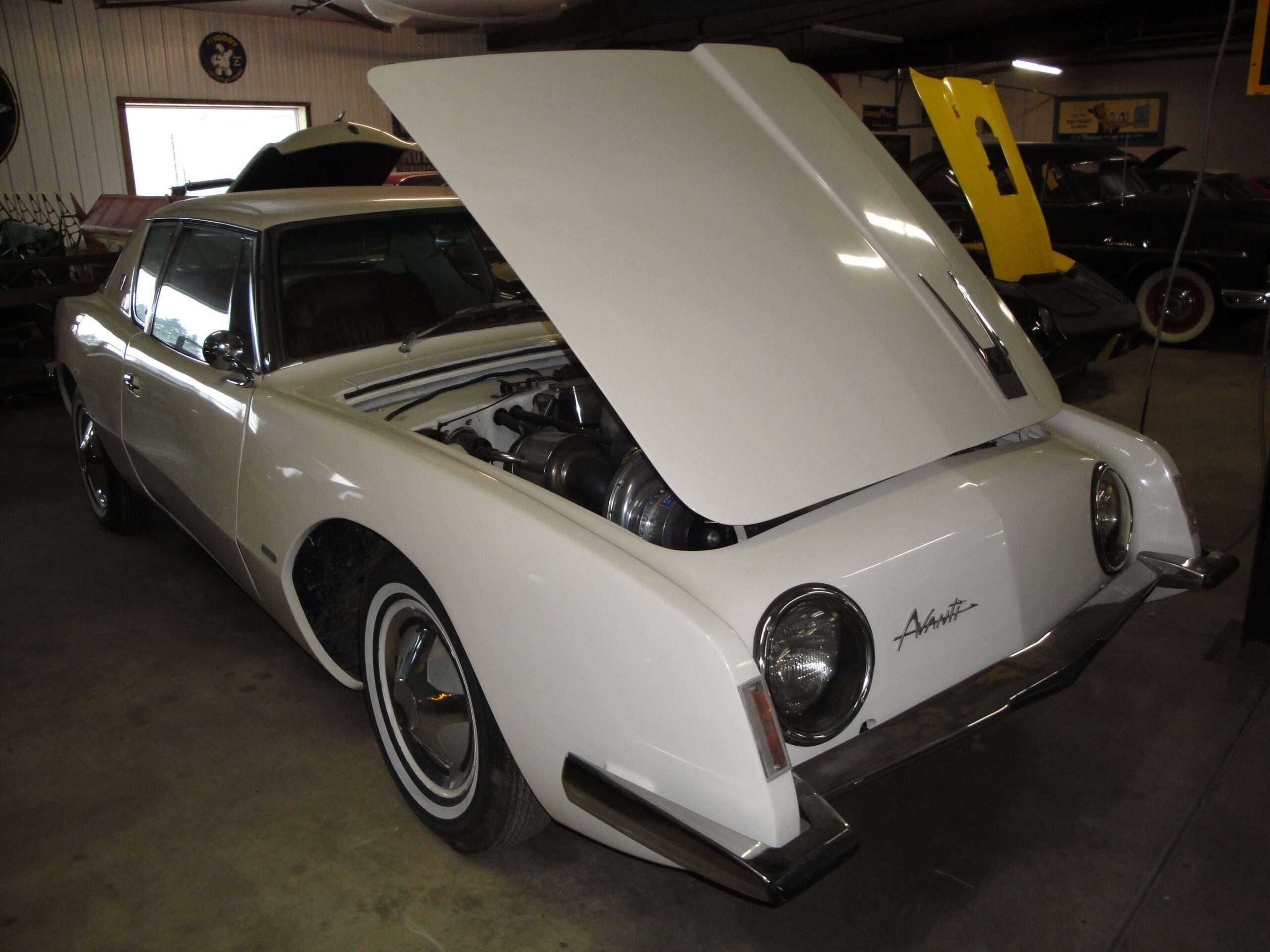
Completeness matters as much as the label. The Studebaker National Museum’s own 63R1003, the third Avanti built, sold on Hagerty Marketplace on January 31, 2025, for $22,096 with no reserve. The listing described factory R2 cylinder heads, a supercharger removed during an air-conditioning retrofit, a car that turned over but did not run, and a rough overall condition. A genuine R2 without its blower brought less than half the Auburn result, which tells buyers that the R2 premium belongs to the whole documented package.
Why “Matching Numbers” Is the Wrong Test
That same listing noted that the museum car’s engine number, RS1005, does not match its chassis number, and said this was common at the time. In this period engine numbers did not track chassis numbers, so an Avanti with a “non-matching” engine can be perfectly correct, and a “matching numbers” boast tells a buyer little. The meaningful comparison is between the engine number and the car’s production order. America’s Car Museum used that approach on Avanti No. 1, an R2 with a Paxton supercharger, where the engine number matched the build sheet and records from the Studebaker National Museum archives helped authenticate the chassis and engine numbers in 2010.
Some pattern is visible in the documented examples, though it is not a published decoding table. The museum’s R2 carries RS1005, and an Avanti owner on the Avanti Owners Association forum reported an RS-prefixed block, RS 1695, with a supercharger serial of MS 2160. A different owner on the Studebaker Drivers Club forum cited an R1 car with an RJ-prefixed number, RJ309. Treat these as clues to take to the museum or the clubs, not as a rule to apply on a driveway.
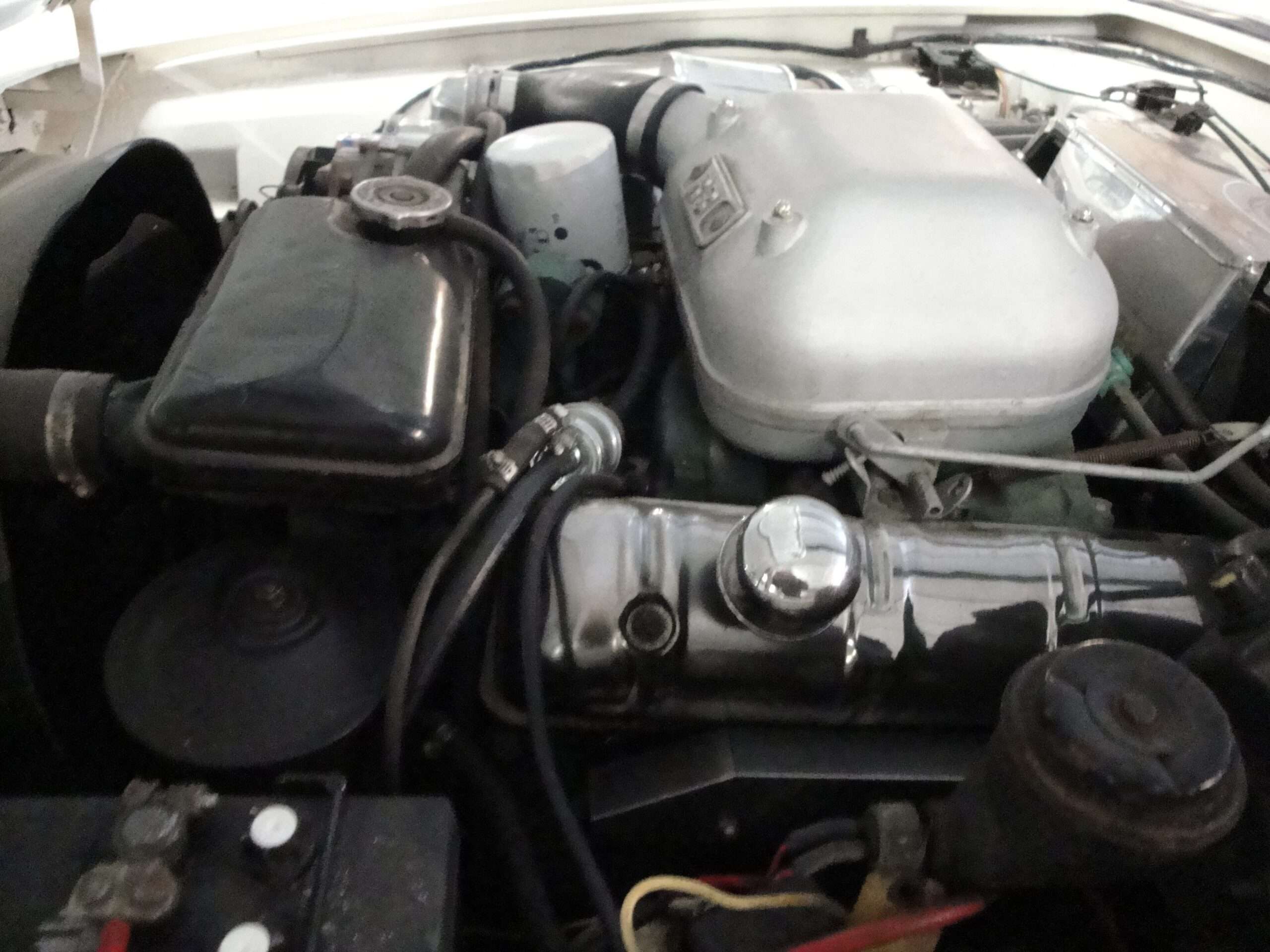
Forum contributors add two details worth checking. One long-time poster reports that an MS prefix on the blower indicates a side-mount Avanti R2 unit, while ML indicates the top-mount unit used on Lark and Hawk R2s, so an ML supercharger on an Avanti has come from another car. The same thread notes that unpainted scroll cover screws suggest a blower has been apart. Both are owner observations, and the factory records should have the final word.
Where the Paper Trail Starts
Contributors on the Studebaker Drivers Club forum describe the legal serial number as a stainless plate riveted to the top of the frame at the rear right of the engine compartment, with a separate body plate that is not the legal number. Studebaker also changed the format along the way, and Bob’s Studebaker Resource Website cites a service letter, G-1964-3B, saying the “63” year prefix was dropped starting at R-3100. Many 1963-built cars were later sold as 1964 models, and some state records show the wrong year, so a title alone says little about specification.
The factory file is the real test. According to the same forum, the Studebaker National Museum in South Bend can supply a production order and a Drive Away Shipper form. One owner who received a build sheet found that it did not match his car’s color or engine number, and other posters advised getting both documents and cross-checking them because copies can contain transcription errors.
Common Misrepresentations
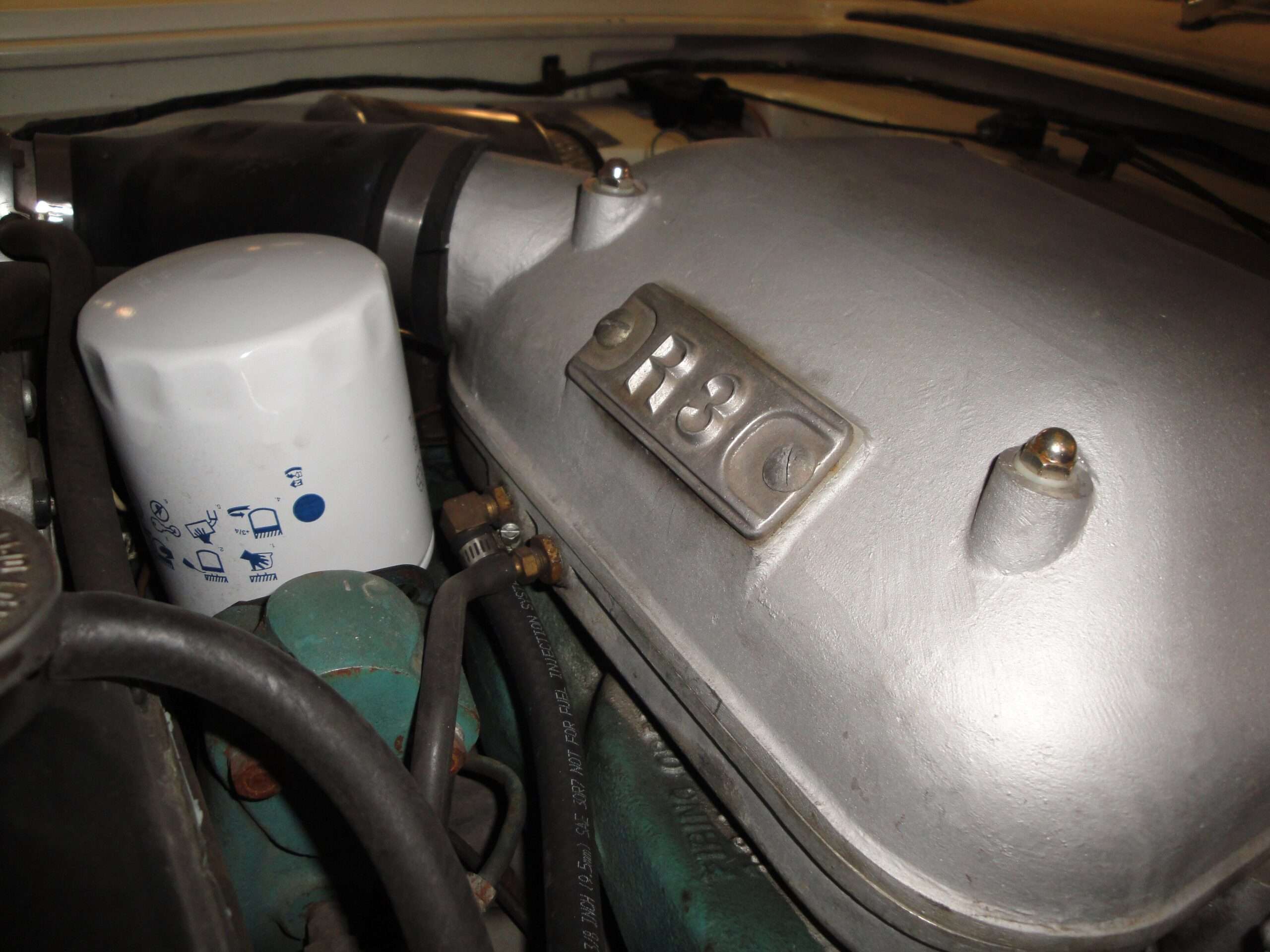
The first is the badge. Curbside Classic’s piece on a supposed R3 notes that the R3 tag on the car was a removable plate, and the same discussion mentions an R3 “clone” described by its owner as an R2 with a 304 bore and R3 cam, and a for-sale listing for an R2 with R3 upgrades. The registry itself records that Studebaker converted nine V8s to 304 cubic inches with Paxton superchargers after production ended, so an R3-spec engine in an Avanti does not make it one of the nine cars. The second is the missing or replaced blower, sold as an R2 on the strength of the cylinder heads or a story. The third is the year problem, where a 1963-built car is marketed as a 1964 model or the reverse.
What to Verify Before You Buy
- Read the serial plate on the frame, not the body plate, and confirm that its prefix and number sequence make sense for the model year being claimed.
- Order the production order and the Drive Away Shipper from the Studebaker National Museum, then compare color, trim, transmission and engine number against the car, allowing for copying errors.
- Photograph the engine number and ask the museum, the Avanti Owners Association or the Studebaker Drivers Club to interpret the prefix, rather than relying on a seller’s explanation.
- Check the head castings and the supercharger. The museum’s R2 listing cites head casting 1557582, and the blower serial and mounting style should fit an Avanti, not a Lark or Hawk.
- Ask for rebuild receipts on the supercharger, and look for signs that it has been apart.
- For any R3, require documentation tying the car’s serial number to the registry’s nine original cars, and treat plates and badges as unproven.
- Price the car for what the paper supports. An R1 with a bolted-on blower belongs in the standard Avanti range, which Hagerty put near $30,100 for a good car, while an undocumented R2 should be expected to trade at a discount to documented cars, which the $23,000 to $115,000 spread in R2 results suggests.
The Bottom Line
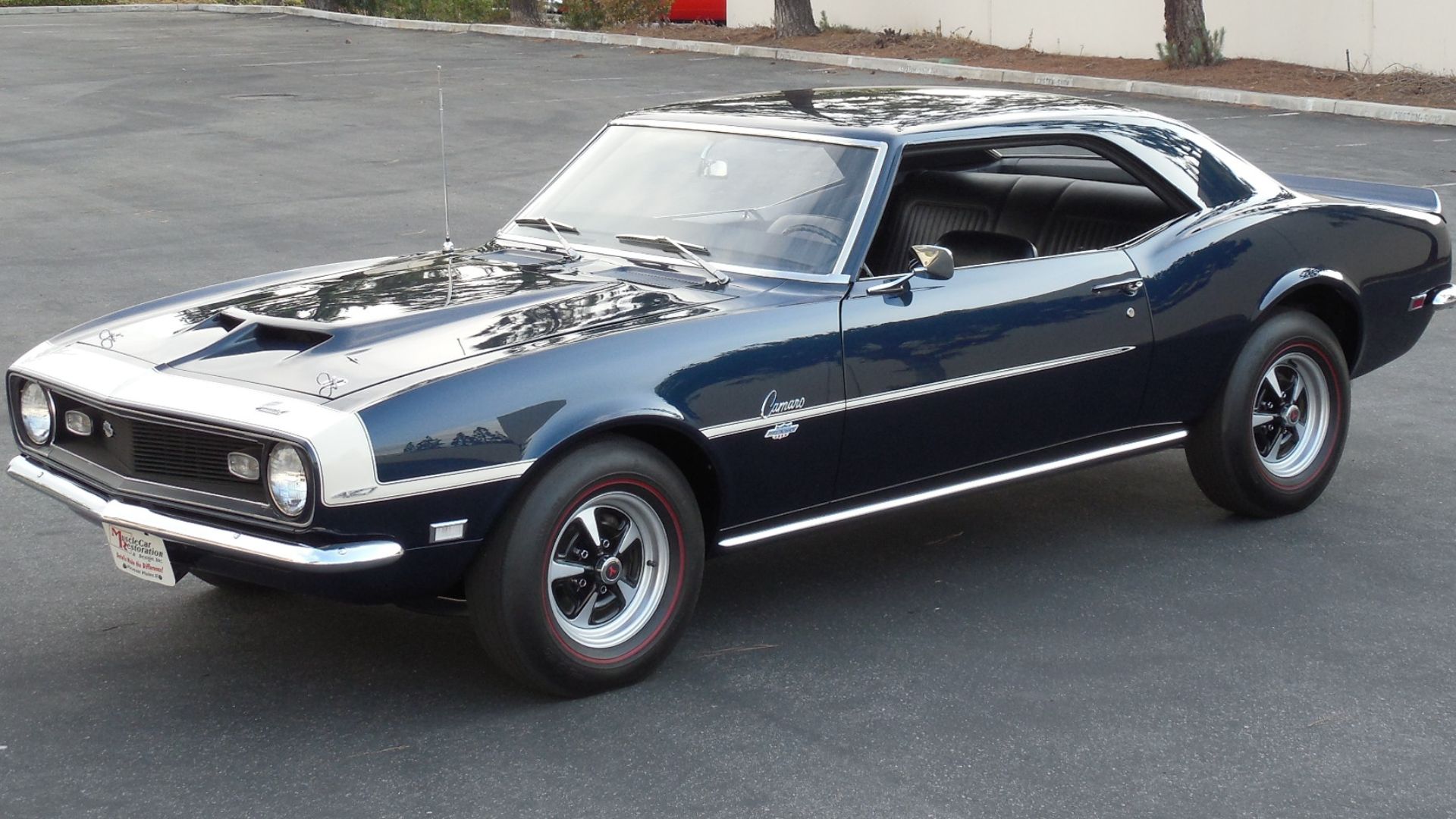
The Avanti is a useful reminder that originality rules vary by marque. On a 1969 Camaro Z/28 the DZ engine pad does the work, on a Boss 429 Mustang it is the KK number, and on a 1964–65 Pontiac GTO it is the PHS paperwork. The Avanti’s answer is a Studebaker production order that agrees with the engine number, since the engine number was never meant to match the chassis number. The same discipline applies to the Plymouth Superbird’s replaceable nose, to the 1963 Corvette split-window’s engine pad, and to supercharged American classics such as the 1937 Cord 812 Supercharged Phaeton and the 1936 Auburn 852 Boattail Speedster, where a visible blower proves less than the factory record behind it.
Sources: Studebaker production tallies from Bob’s Studebaker Resource Website; R3 serial list from the Avanti registry; R2 and R3 engine background from Curbside Classic; sales data from Hagerty and ConceptCarz; Avanti No. 1 authentication from America’s Car Museum; identification details from the Studebaker Drivers Club and Avanti Owners Association forums, which are owner reports and should be confirmed against museum records.
The collector car market, every weekday morning.
Auction results, price moves and what’s crossing the block, read in four minutes. Free, from Modern Car Collector.
No spam, unsubscribe in one click. Or read more about the Brief.



 John Lloyd
 Eve Nowell