
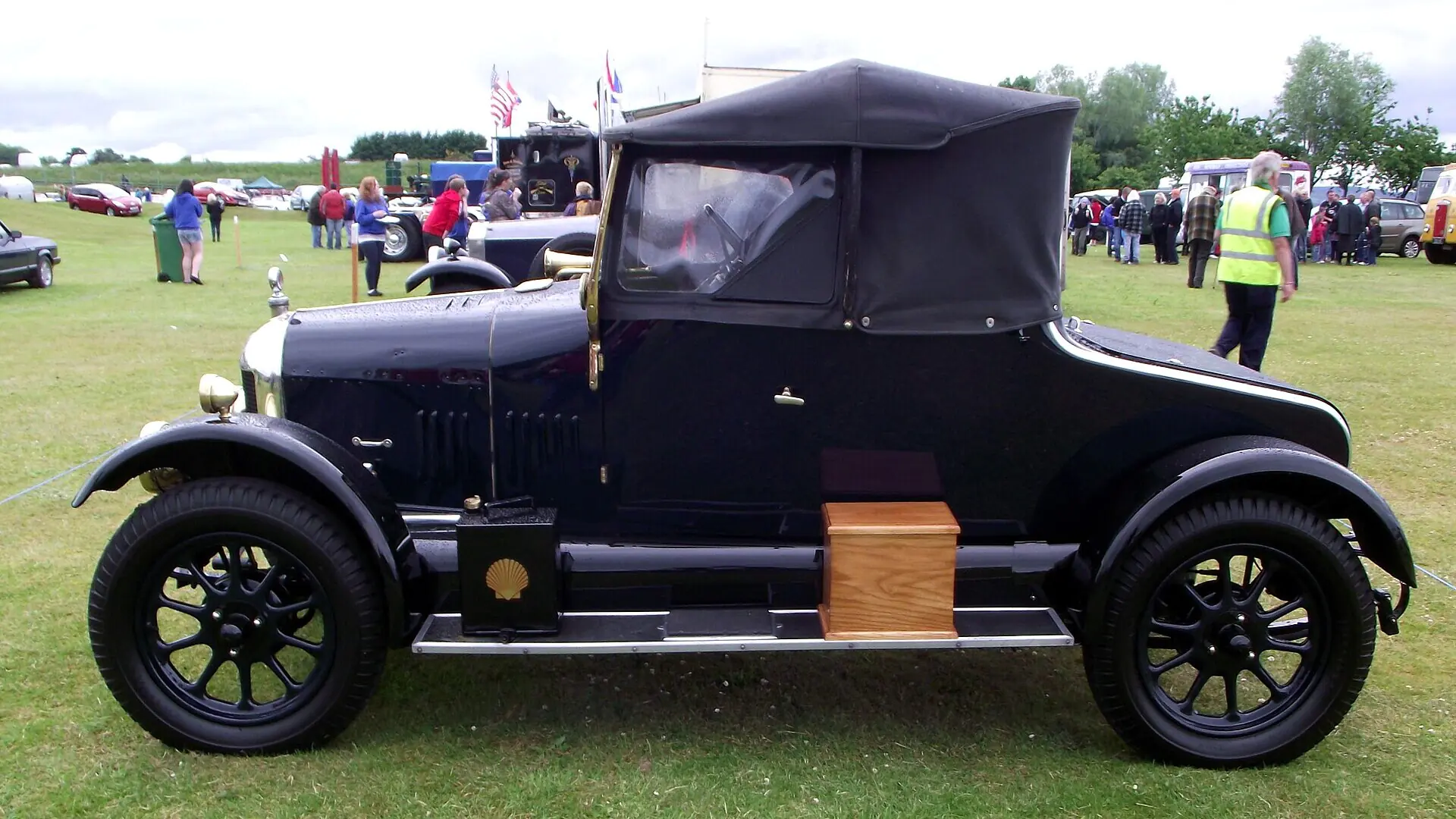
William Richard Morris was born in Worcester, England, on October 10, 1877. He is better known by his later title, Lord Nuffield, but collectors know his legacy through two names that sit on very different shelves of the hobby: the Bullnose Morris and MG.
From bicycle repair to Cowley
Morris began with motorcycles in 1901 and in 1902 acquired buildings on Longwall Street in Oxford, where he ran bicycle repair, a taxi service and car sales and hire. In 1910 he built new premises and renamed the business from The Oxford Garage to The Morris Garage. In 1912 he designed the Bullnose Morris and began building it at a disused military training college in Cowley, Oxford.
Car production resumed after World War I in 1919. In February 1927 Morris bought the assets of Wolseley Motors, and in 1928 the first Morris Minor launched, based on Wolseley’s overhead-camshaft 8 hp car. The original MG Midget followed in 1929, built on the Minor. In 1952 Morris Motors merged with Austin to form the British Motor Corporation.
Why it matters to collectors
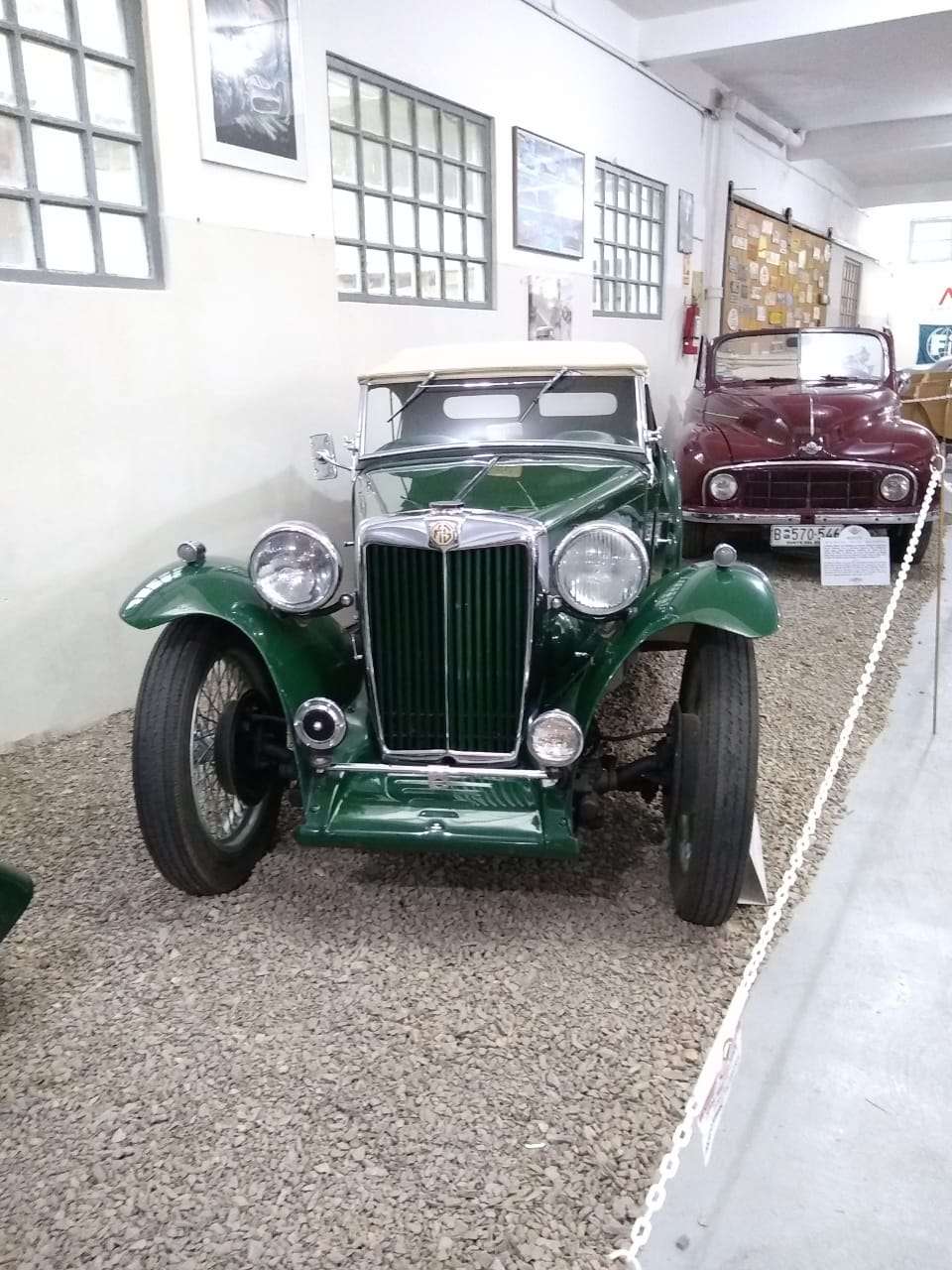
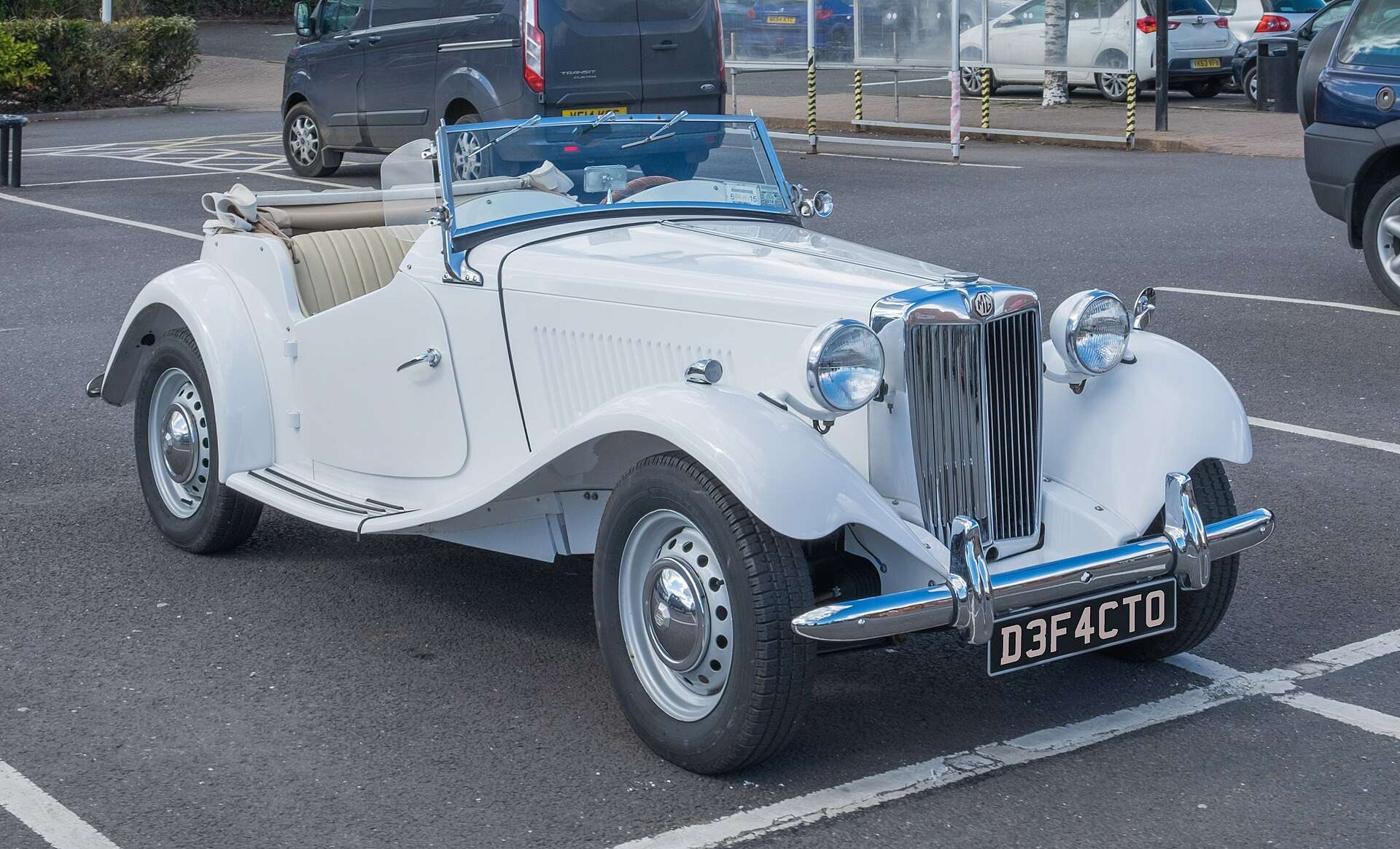
The name tells the story. MG stands for Morris Garages. The collector thesis is that MG’s appeal was never about outright speed; it was about packaging an affordable, lightweight sports car from proven mass-production parts, which is why the cars remain approachable.
Where the cars sit today
The Bullnose Morris is a quiet, approachable prewar entry point, and it occupies the opposite end of the British market from the machines in this 1964 Jaguar E-Type competition car at Saratoga. That contrast is useful: the British hobby runs from a few thousand dollars to seven figures, and the Morris-MG family sits at the accessible end.
We are not citing a price range for the Morris or MG models here because we do not have a verified, current comparable to stand behind. For context on where the top of the market lives, see the ten most expensive classic cars ever sold at auction and six of the rarest classic cars ever made.
What collectors should know
- Verify identity first. For MG TC and TD models, match chassis and engine numbers against factory records, such as a British Motor Museum Heritage Certificate.
- Prefer originality over a cosmetic restoration. Documented history, original engine and period-correct specification matter more than fresh paint.
- Know the lineage. The 1929 Midget’s link to the Morris Minor explains why early MGs share so many parts, and why parts support remains strong.
The takeaway
William Morris did not set out to build a sports car brand. He built a garage, a factory and a supply chain, and a sports car came out of it. That origin is why MG remains one of the most welcoming entry points into collecting.
Which is the better first collector car: a Bullnose Morris with a story, or an MG TC with a Heritage Certificate?
The collector car market, every weekday morning.
Auction results, price moves and what’s crossing the block, read in four minutes. Free, from Modern Car Collector.
No spam, unsubscribe in one click. Or read more about the Brief.



 John Lloyd