

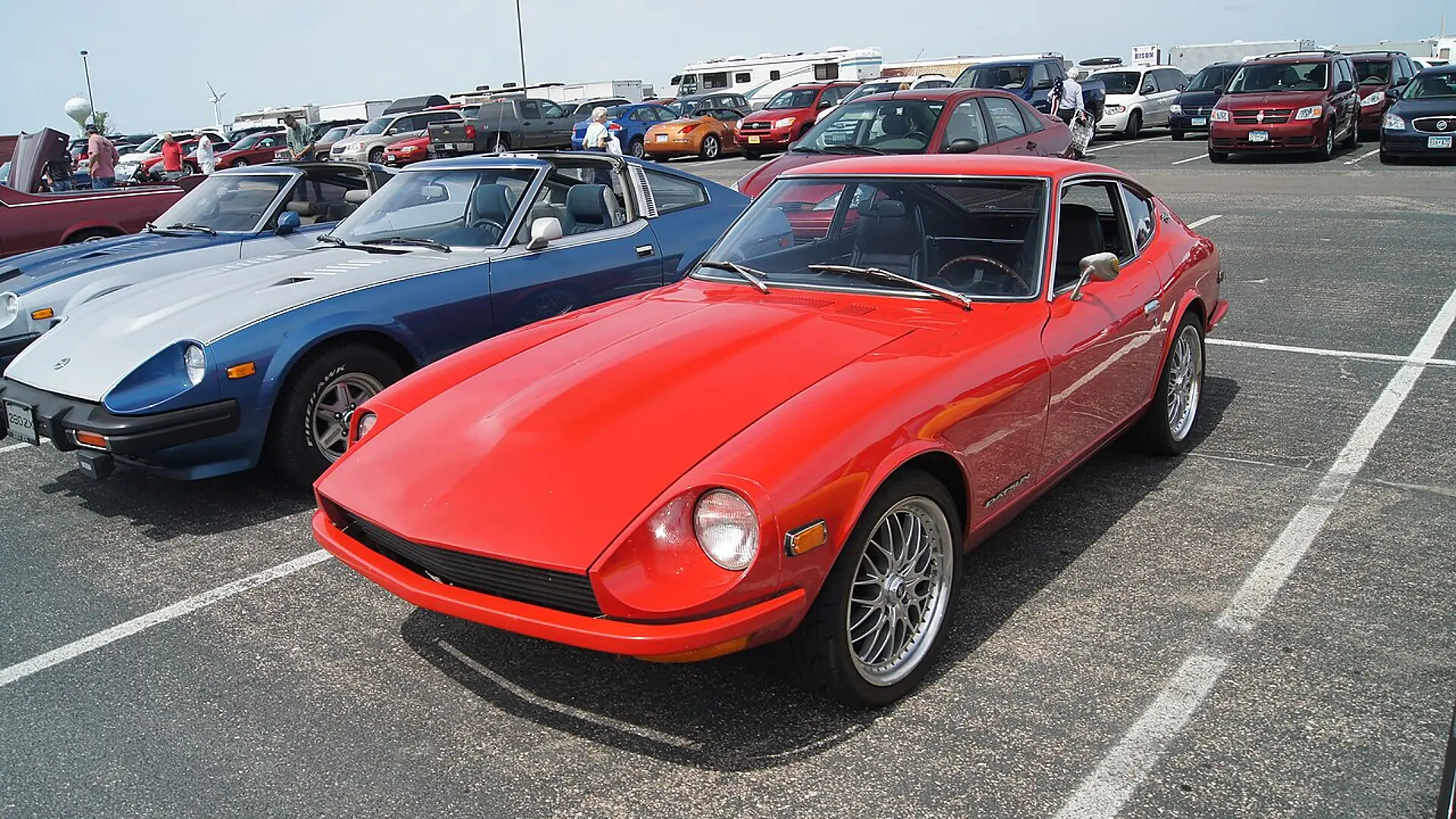
On Nov. 6, 1880, Yoshisuke Aikawa was born in what is now Yamaguchi City, Japan. He never designed a car, and he died in 1967, two years before the Datsun 240Z reached American showrooms. Yet without his foundry, his holding company and his bet on small cars, the Z-car that Japanese-car collectors now chase might never have carried the Datsun badge.
What happened on Nov. 6, 1880
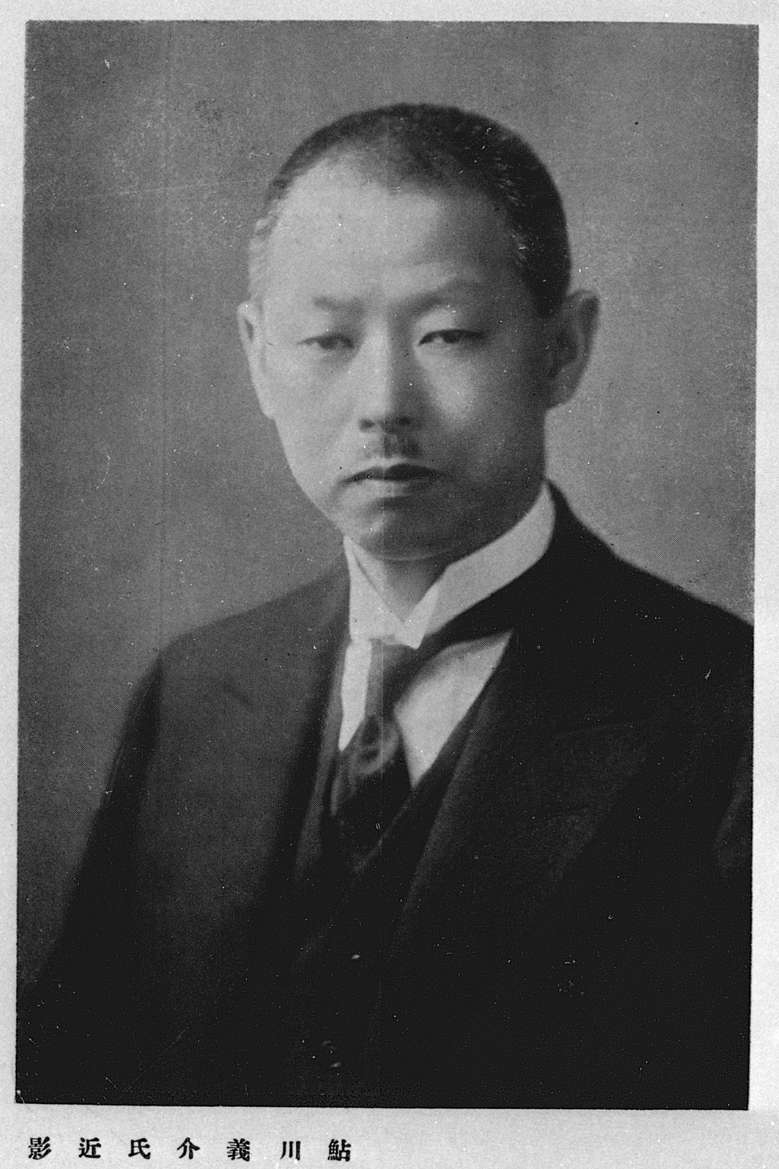
Aikawa was born on Nov. 6, 1880, in Yamaguchi Prefecture, according to Nissan’s own heritage biography. He graduated from the machinery section of Tokyo Imperial University’s engineering department in 1903 and worked as a mechanic at Shibaura Seisakusho, a forerunner of Toshiba. He then went to the United States, where, by Nissan’s account, he worked in a factory and developed his casting skills.
Back in Japan, he founded Tobata Casting (Tobata Imono) in 1910 with backing from the statesman Kaoru Inoue. The company made malleable cast iron and was reportedly the first in its industry to produce it in an electric furnace. Tobata is the forerunner of today’s Hitachi Metals. In 1928 he took over and restructured the Kuhara mining group, renaming it Nihon Sangyo. The name “Nissan” is a contraction of that company name.
The people and cars behind the story
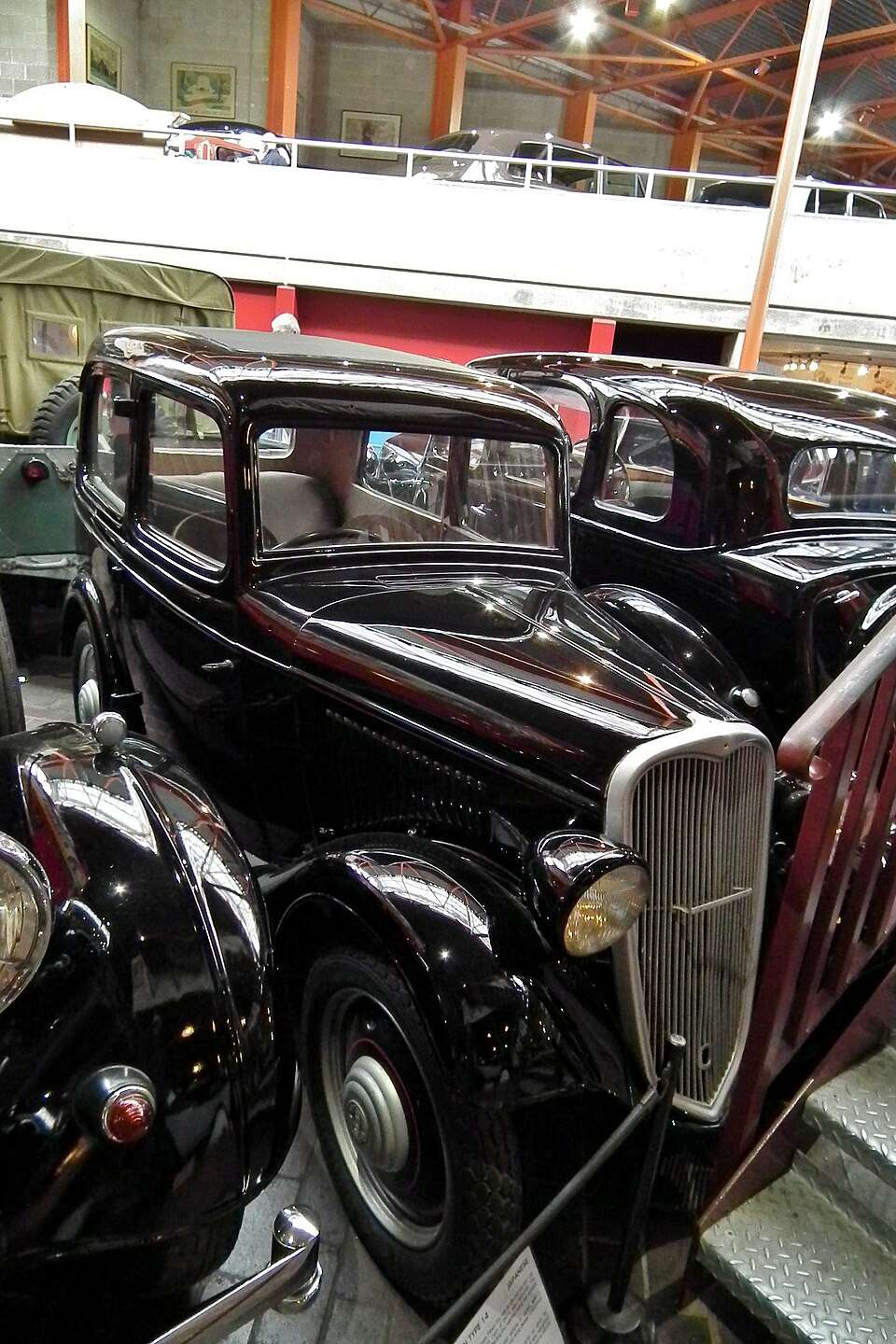
The car side of the story begins before Aikawa. DAT, an acronym drawn from the surnames of its early investors, built its first car in 1914 in Tokyo. In 1930 and 1931 the firm developed a small car called the Datson, meaning “son of DAT,” as Wikipedia’s Datsun history and Nissan both describe it. In August 1931, Aikawa’s Tobata Casting bought DAT Jidosha Seizo. Around 1932 the name changed from Datson to Datsun, because “son” sounded like a Japanese word meaning loss, according to Nissan’s heritage timeline.
Aikawa then scaled up. Tobata set up an automobile division in March 1933 and bought land in Shinkoyasu, Yokohama, that October, the site of Nissan’s Yokohama Plant today. On Dec. 26, 1933, Nihon Sangyo and Tobata Casting established Jidosha Seizo Co., Ltd. in Yokohama, with Aikawa as president. It was renamed Nissan Motor Co., Ltd. in 1934 after Nihon Sangyo became its sole owner. The Automotive Hall of Fame’s history page records his goal of building 15,000 vehicles a year, an ambitious target for Japan at the time.
The historical context
Aikawa’s time in the United States shaped his view of the business. Nissan says his knowledge of the American market convinced him that cars would become popular in Japan. In 1937, the Datsun Type 15 arrived and Nissan describes it as the first mass-produced Japanese vehicle.
His legacy is also complicated. In 1937 he moved Nissan’s group headquarters to Manchukuo, and after Japan’s surrender, occupation authorities arrested him as a Class A war crimes suspect, according to Wikipedia. He was held in Sugamo Prison for 20 months and released without trial, and the Nissan zaibatsu was dissolved. He later led Teikoku Oil and was elected to the House of Councillors in 1953. He died on Feb. 13, 1967, at age 86.
Why it mattered at the time
Aikawa combined a casting business, a holding company, a small-car product and a purpose-built Yokohama plant into a single automotive venture. The Datsun name that survived from his era later carried the 240Z to American buyers.
Why Aikawa still matters to collectors
Prewar Datsuns are largely museum pieces, and we found no reliable public auction data for them, so the collector market is built on the postwar cars. The key one is the Z. Nissan Motor Corporation U.S.A. president Yutaka Katayama is credited with conceiving the S30 and introducing the 240Z to the American market, and it went on sale in October 1969. Our 240Z collector spec sheet cites widely repeated output of about 148,000 cars, with the caveat that the figure is approximate. At the top of the family sits the Fairlady Z432, built in roughly 420 examples with the twin-cam S20 engine, as Wikipedia’s S30 entry notes. We recently covered a Z432 offered for sale.
Datsun market context: what recent results show
Hagerty’s valuation tool lists a 1970 240Z in #3 (Good) condition at about $24,100, though the data shown ran through April 2025, so check current figures before you buy. Our own spec sheet puts good driver-quality cars at roughly $25,000 to $40,000 and top Series I examples at $60,000 to $90,000 or more.
Auction records show how far the extremes can go. A 21,750-mile 1971 Series I 240Z sold for $310,000 on Bring a Trailer on Jan. 29, 2020, roughly five times Hagerty’s #1 value for a 1971 car at that time, Hagerty reported. Earlier that month, a race-prepared 1970 Fairlady Z432R brought $803,857 at a BH Auction sale in Tokyo, per Motor Authority. The Z432R was a rare racing variant, one of roughly 30 built. Condition and originality drive these prices, as we showed with a 240Z owned since 1975, whose odometer reading told only part of the story.
What collectors should take from Aikawa’s birthday
Every Datsun badge on a Z traces back to a decision made by a casting-company president in 1931. For buyers, that history is a reminder to check what the car is and what the paperwork proves. Our guide on how to verify a Series I 240Z covers the details that matter most to the market, including number plates and hatch vents.
Sources: Nissan Global (Legend 01: Yoshisuke Aikawa; company history), Nissan USA heritage 1930–1939, Automotive Hall of Fame (This Day in Automotive History), Wikipedia (Yoshisuke Aikawa, Datsun, Nissan Fairlady Z S30), Hagerty, Motor Authority.
The collector car market, every weekday morning.
Auction results, price moves and what’s crossing the block, read in four minutes. Free, from Modern Car Collector.
No spam, unsubscribe in one click. Or read more about the Brief.
 Kyle Matthews
 Shawn Henry