
Alfonso de Portago was born in London on October 11, 1928. A Spanish nobleman who raced for Scuderia Ferrari in the 1950s, he is remembered for his wins, his second place at the 1956 British Grand Prix, and for the 1957 Mille Miglia, the accident that changed road racing.
The career
Portago joined Scuderia Ferrari in 1953 and raced sports cars for the team. He made five Formula One World Championship entries across 1956 and 1957, scoring four points. His best result was second at the 1956 British Grand Prix, a drive shared with Peter Collins. He also won the 1956 Tour de France Automobile, an endurance event for grand touring cars, and won it again with Edmund Nelson as co-driver.
The 1957 Mille Miglia
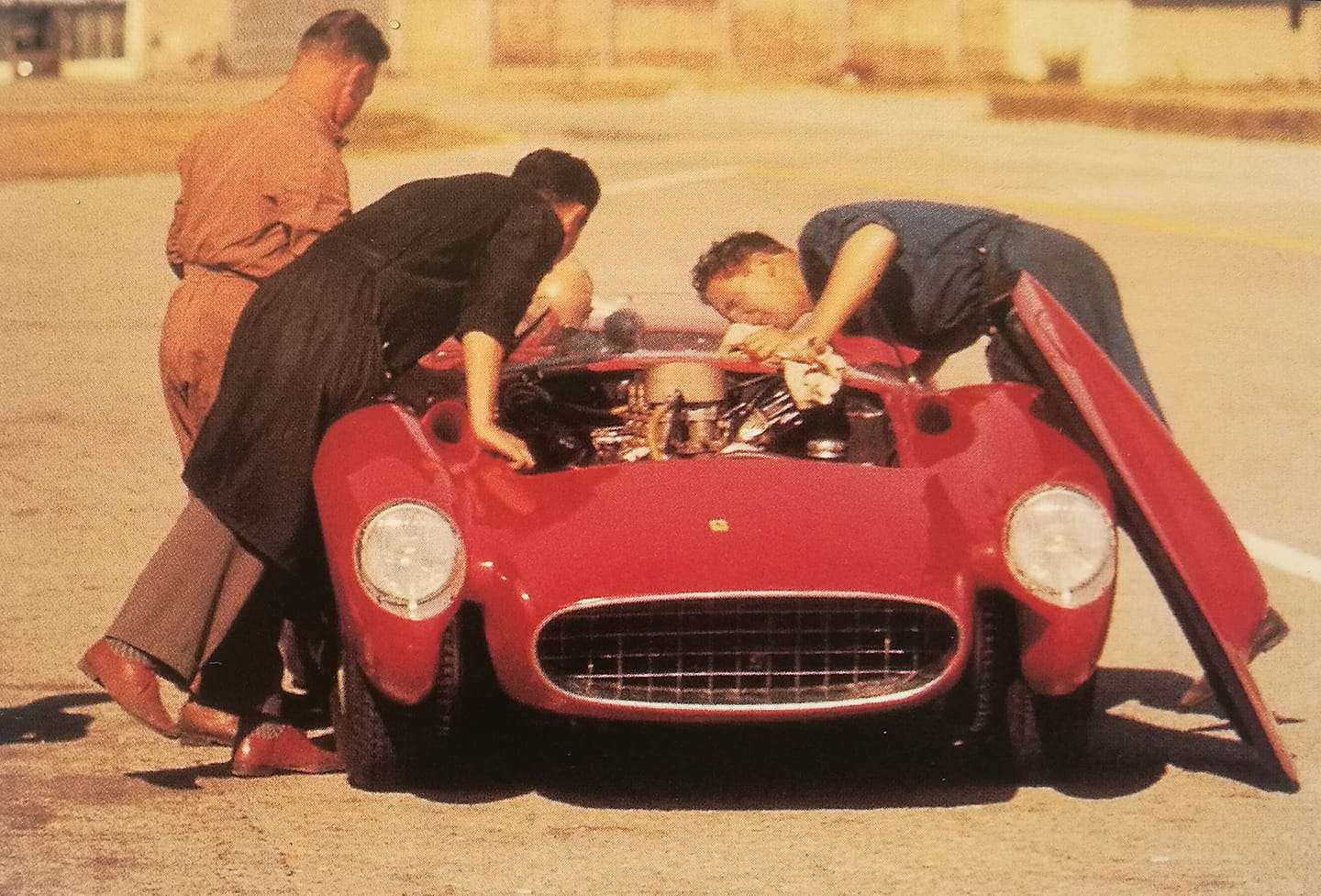
Portago was driving a Ferrari 335 S in the 1957 Mille Miglia when a tire burst at about 150 mph near Guidizzolo, Italy. The car crossed a canal and struck spectators lining the road. Portago, his co-driver Edmund Nelson and nine spectators were killed. The accident is widely regarded as the end of the Mille Miglia as a flat-out road race, and it remains one of the most sobering moments in motorsport history.
Why it matters to collectors
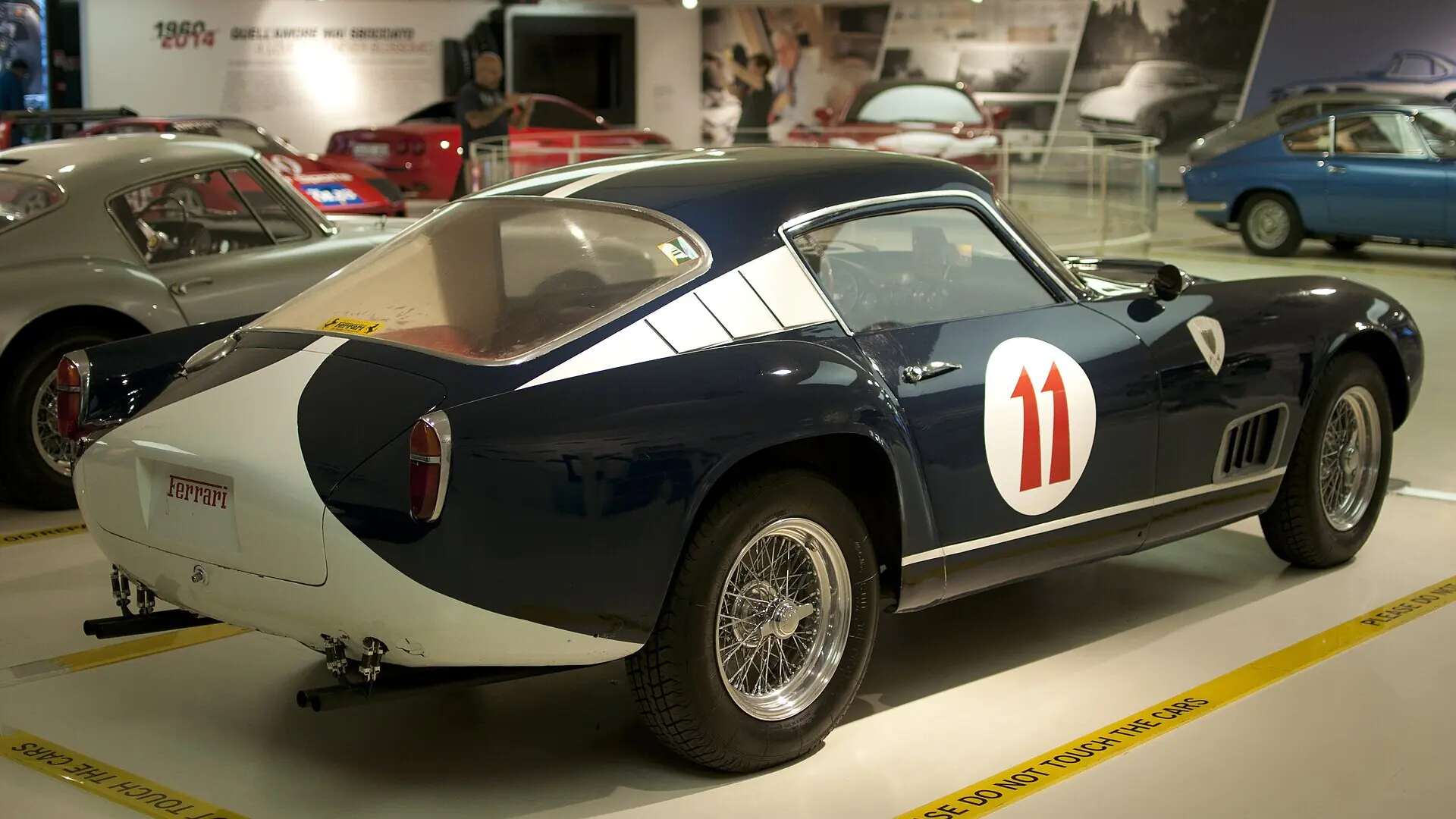
Portago’s story shows why competition provenance is the strongest currency in the Ferrari market. The Tour de France Automobile gave its name to the 250 GT Tour de France, the car pictured above, and cars from this period are valued as artifacts of an era when sports-car racing was fought on public roads. The details that separate one car from another, such as documented entries, period race photographs and factory records, are precisely what collectors pay for.
We have covered that dynamic across the market. The Ferrari 250 GT LWB California Spider sits in the same 1950s-60s lineage, and Lewis Hamilton’s Ferrari F40 and its engine number shows how much a single documentation detail can matter. For the broader road-racing heritage, see the Fangio family 300 SLR story.
What collectors should know
- Provenance is the product. A car with documented race entries and period history is a different asset from a comparable car without them.
- Be precise about attribution. Many Ferraris of this era were raced by multiple drivers; claims should be tied to chassis numbers and period records, not family lore.
- Treat the history with care. The 335 S was the car involved in the 1957 accident, and the weight of that history shapes how the era is remembered and discussed.
The takeaway
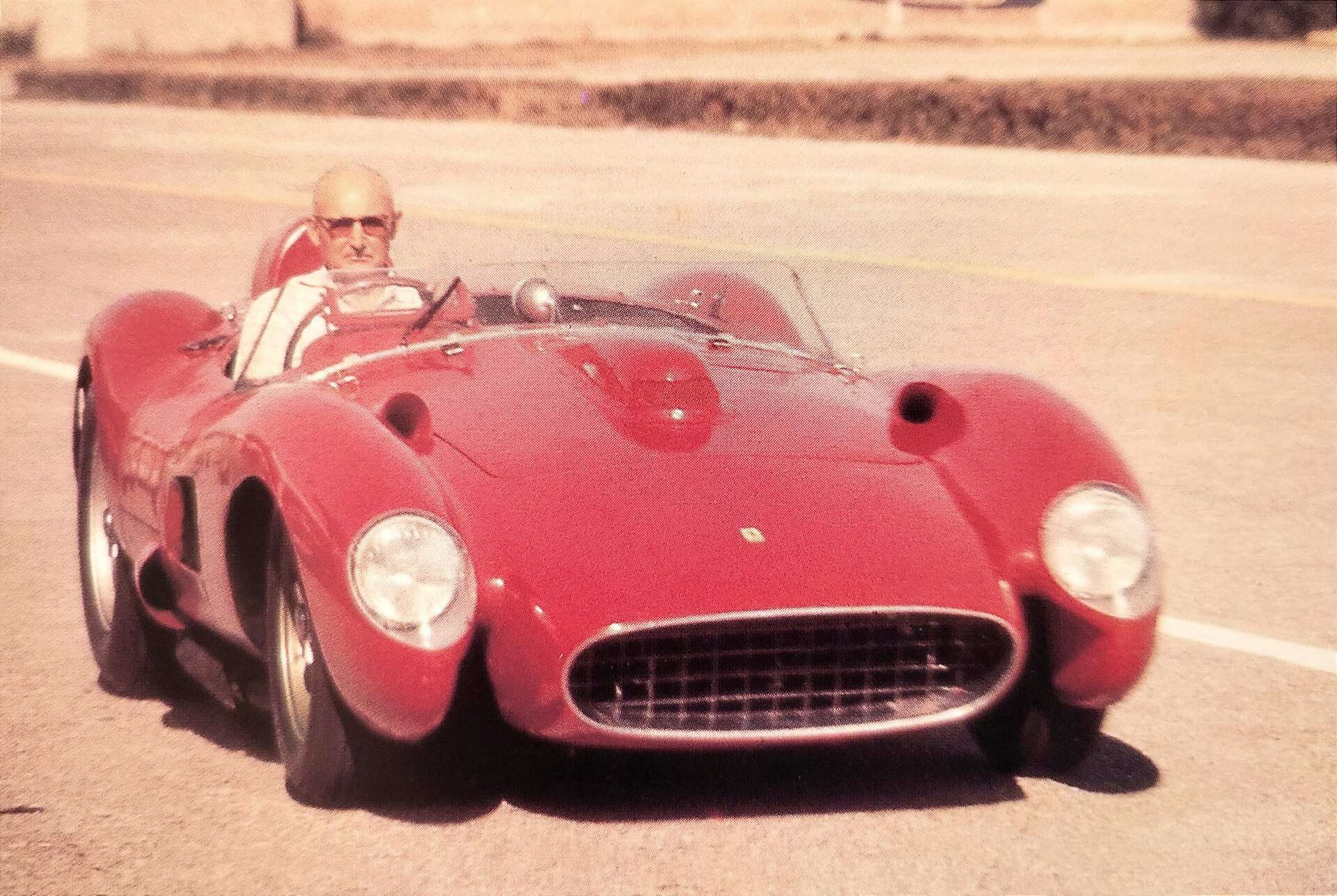
Portago’s life ended at 28, but the world he raced in is the one that defines high-end Ferrari collecting today. The lesson for buyers is unchanged: the story is only as valuable as the paperwork behind it.
When a seller says “raced at the Mille Miglia,” what proof would you need to see before you believed it?
The collector car market, every weekday morning.
Auction results, price moves and what’s crossing the block, read in four minutes. Free, from Modern Car Collector.
No spam, unsubscribe in one click. Or read more about the Brief.
Related Posts:
- Big-Block 1968 Chevelle SS Convertible With Air Ride…
- Black 1996 Dodge Viper RT/10 Roadster With a Dyno…
- Frame-Off Restored 1957 Chevrolet Bel Air for Sale…
- Big-Block 1968 Chevrolet Camaro SS Four-Speed for…
- Dan Gurney's Eagle Chassis 103 Didn't Win at Spa.…
- Cadillac's Junkyard Dream Car Returns to Auction.…
 John Lloyd