

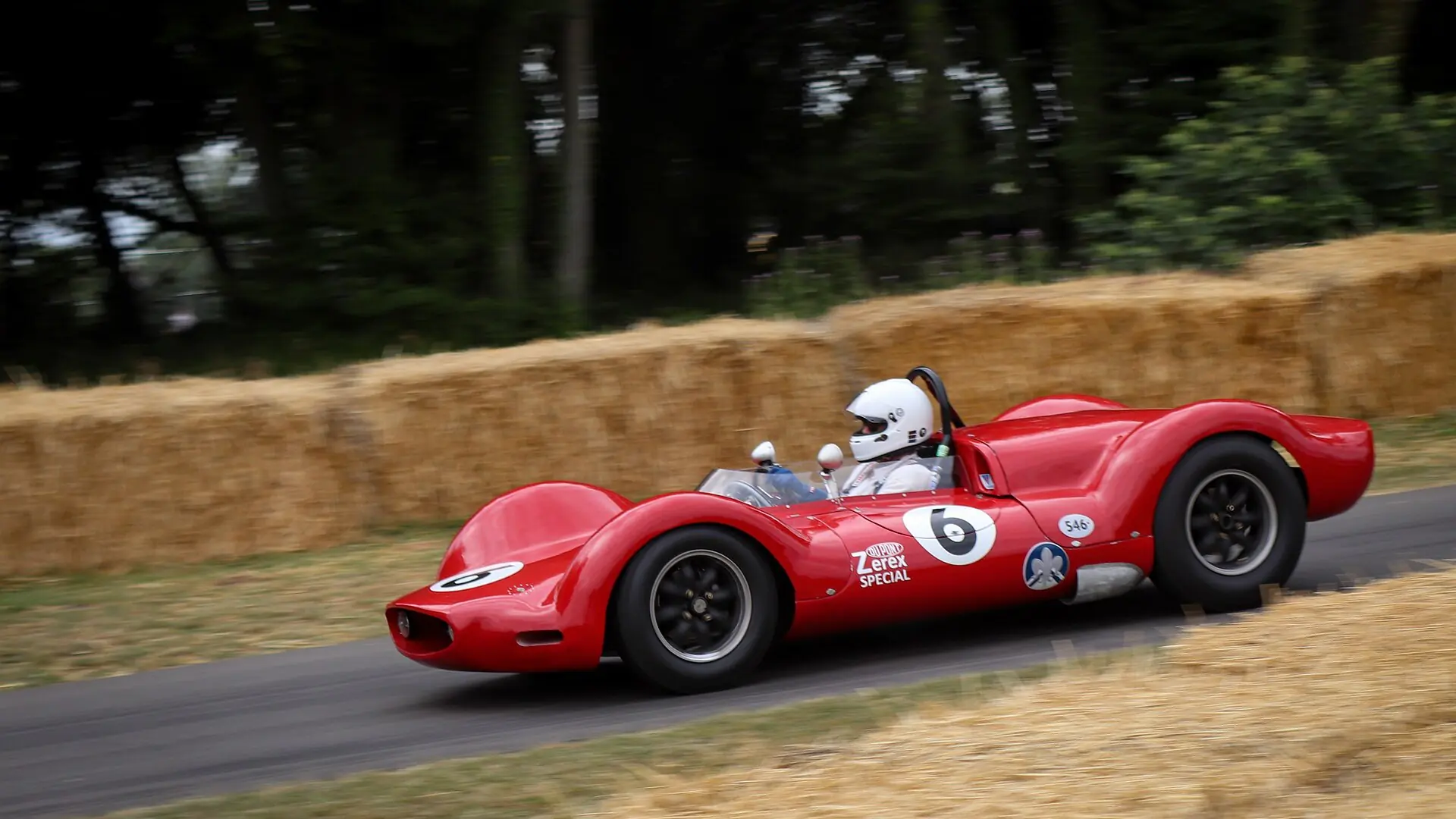
On Oct. 21, 1962, a 25-year-old Roger Penske won the Pacific Grand Prix at Laguna Seca in a Cooper that had been a wreck a year earlier. The Penske Zerex Special is a useful reminder of how race cars actually accumulate value: not through the single result that makes a headline, but through an unbroken chain of owners, rebuilds and drivers that a buyer can document decades later.
What happened at Laguna Seca
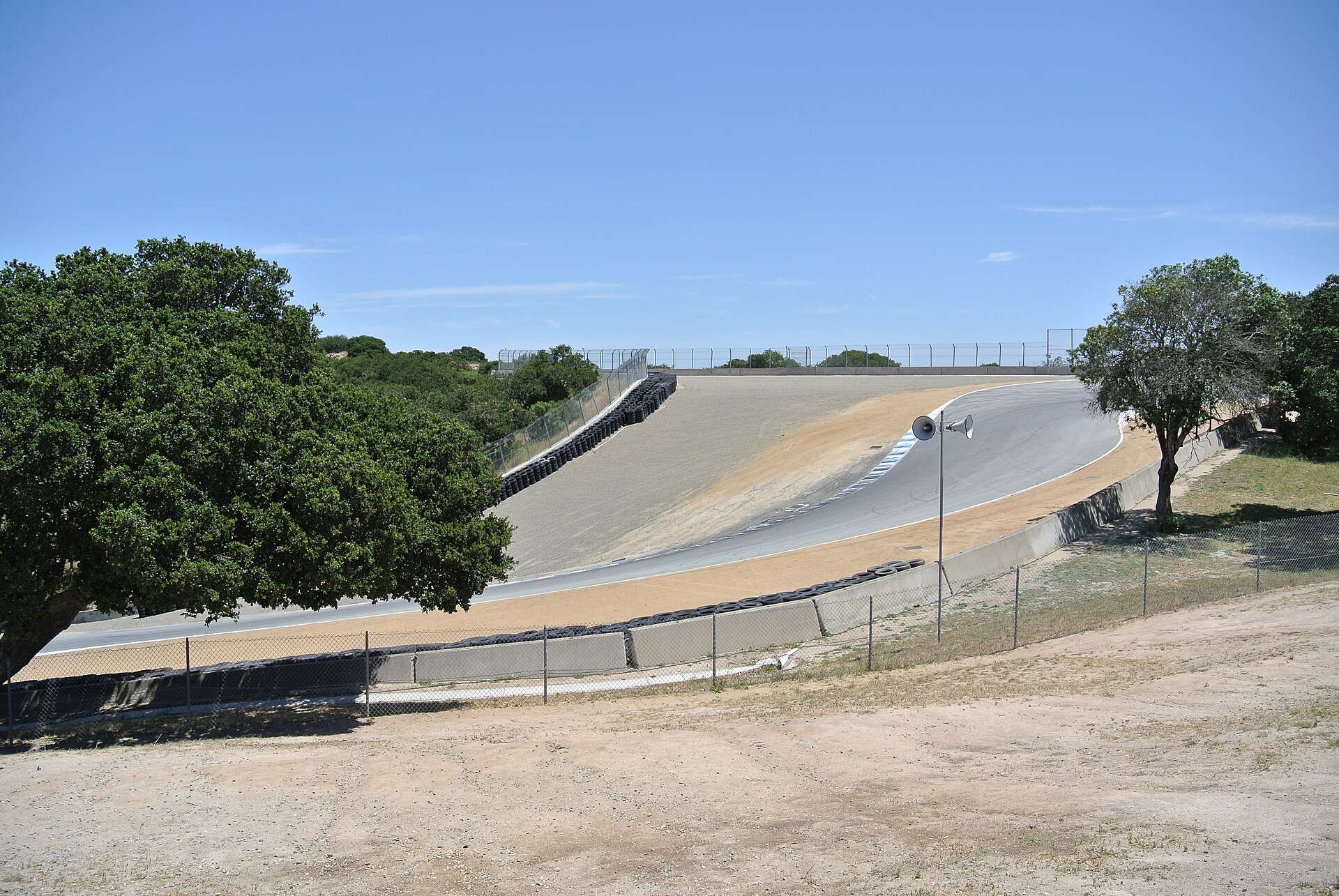
The Pacific Grand Prix 200 was the fifth and final round of the 1962 USAC Road Racing Championship, run at Laguna Seca Raceway in Monterey, California. Penske drove the number 6 Zerex Special, entered by his own Updraught Enterprises, and was classified the winner of the 104-lap, roughly 200-mile race. The result also settled the season: Penske took the series championship, 60 points clear of Dan Gurney.
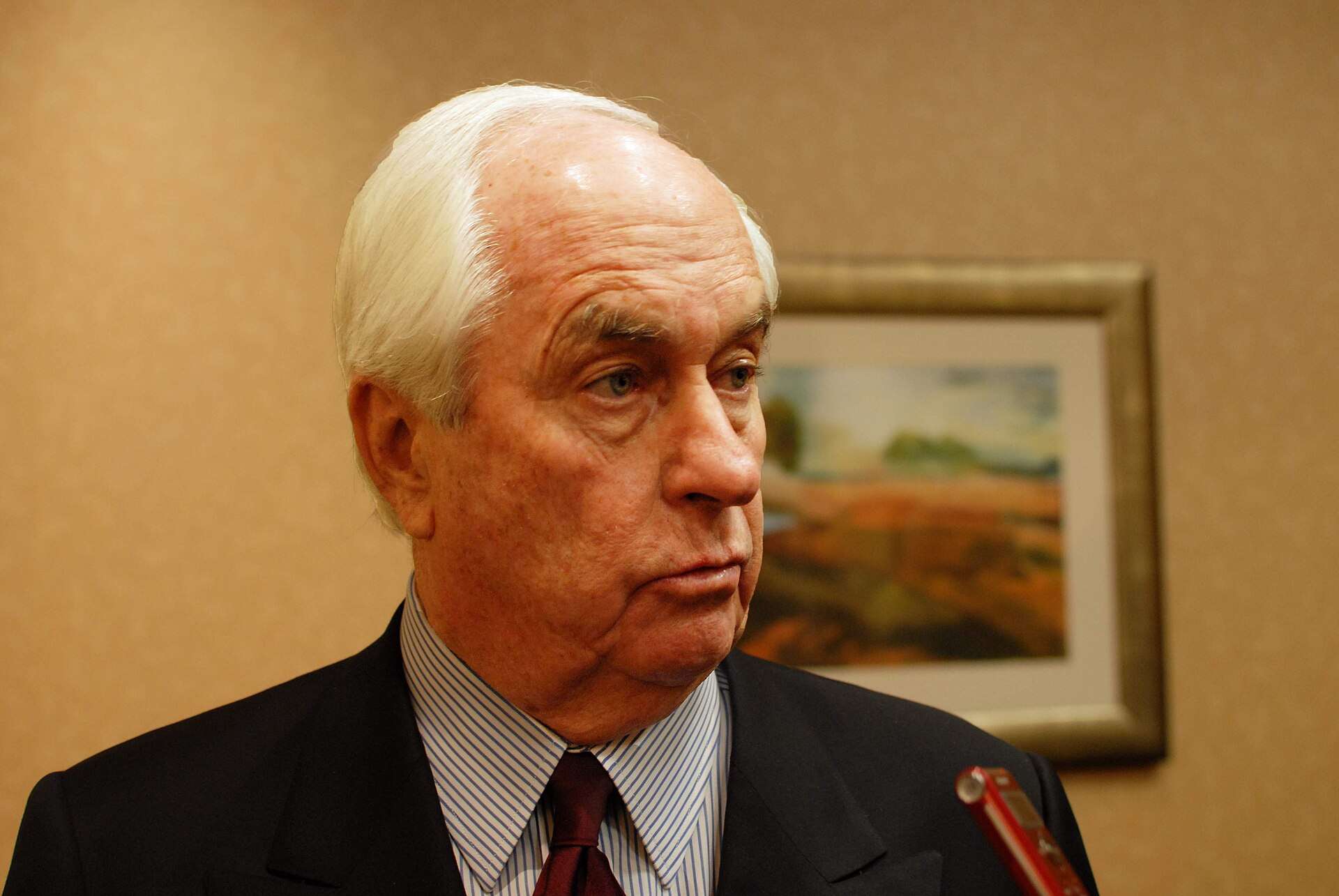
Penske was not yet the team owner whose name would later sit on IndyCar, NASCAR and sports-car programs. He was a young driver with a talent for preparation, and the Zerex Special, named for its anti-freeze sponsor, was the car that showed it.
A Cooper that kept changing identities
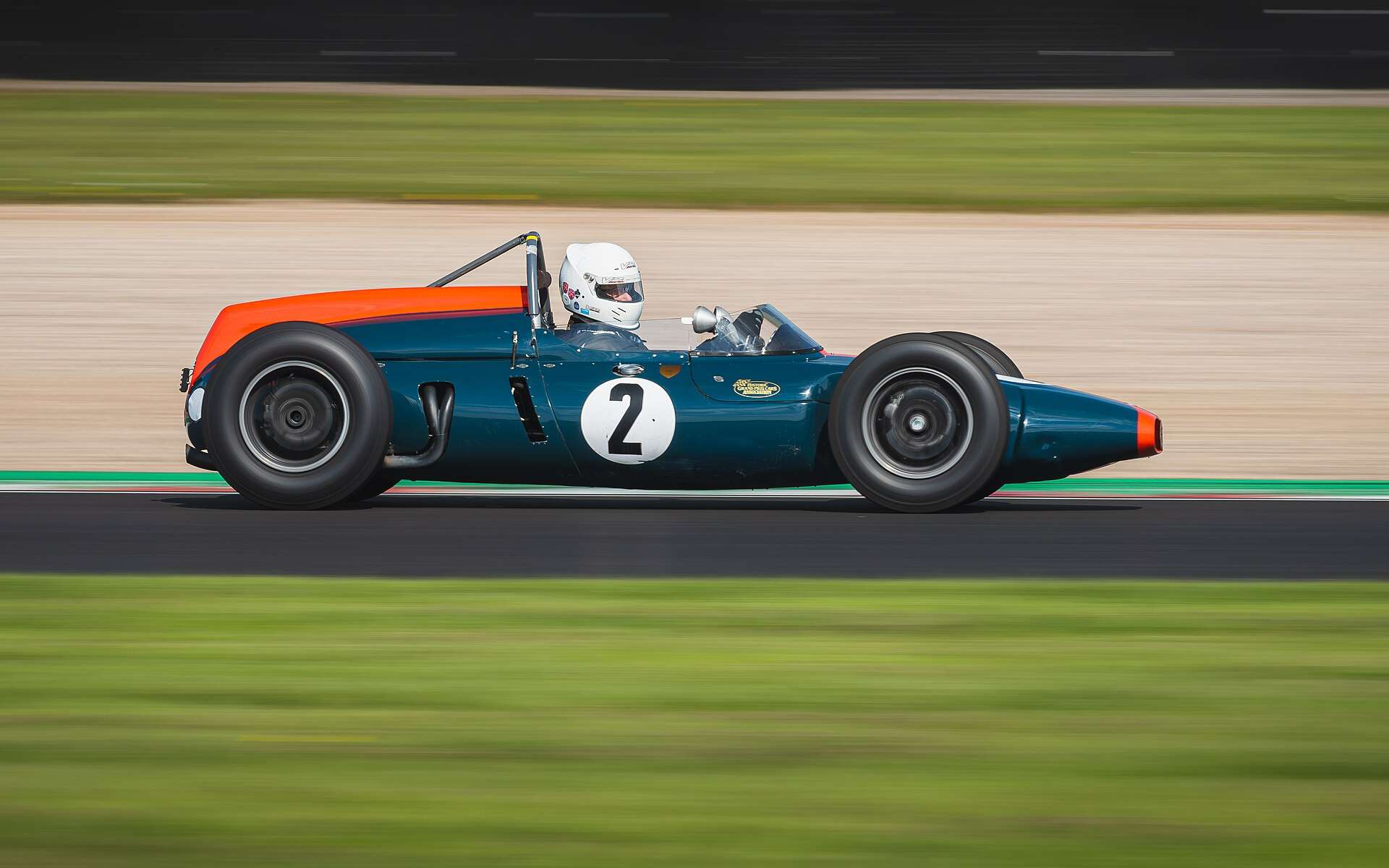
The car began as a 1961 Cooper Formula One chassis, entered by Briggs Cunningham for Walt Hansgen at the 1961 United States Grand Prix at Watkins Glen. Hansgen crashed it. According to Racer, Cunningham sold the damaged car to Penske for $1,250.
Penske rebuilt it as a streamlined sports-racing car with full-width bodywork and a 2.75-liter Coventry Climax engine, according to the chassis history compiled by OldRacingCars.com. That is the configuration that won at Riverside, Laguna Seca and Puerto Rico in the autumn of 1962. Because the rules and the competition kept changing, the car was rebuilt repeatedly through 1964, which earned it the nickname “The Great Transformer.” Bonhams later counted seven configurations in its racing life.
Why it mattered in 1962
American road racing in 1962 was a place where a well-prepared privateer could beat bigger names, and Penske did exactly that. The win at Laguna Seca capped a run of results that made him the USAC champion, and it came in a car assembled from a crashed Grand Prix chassis and a clear idea of what the regulations allowed. It is an early example of the methodical approach that later defined his career.
The car did not stop there. Penske sold it to John Mecom Jr., drove it for Mecom in 1963, and won the Guards Trophy at Brands Hatch that August. At the end of 1963 the car was widened and refitted, and then it passed to the owner who would make it famous.
From Penske to McLaren
Bruce McLaren bought the car for 1964, raced it under his own team banner and replaced the Climax four-cylinder with a 3.5-liter Traco-Oldsmobile V8, later enlarged to 3.9 liters. Repainted green, it became known as the “Jolly Green Giant.” McLaren won with it at Aintree, Silverstone and Mosport and took the Guards Trophy at Brands Hatch, before the purpose-built McLaren M1 replaced it in September 1964. Bonhams describes it as the origin of the McLaren sports-car marque, and it carries a Kiwi emblem designed by Michael Turner.
If you follow the McLaren sports-car story, our look at the McLaren M1A picks up where this car left off, and the brand’s recent heritage work is covered in our analysis of the McL 6GT.
What collectors should know today
The car passed through several owners, including Dave Morgan, who raced it at Nassau in 1965 and 1966. It then went to Venezuela, where it stayed for decades, and it was kept in Maracaibo until early 2022. After more than 50 years out of sight it was shipped to England and sold by Bonhams at its Goodwood Revival Sale on Sept. 17, 2022. The published price was £911,000, paid by an unnamed international collector after two determined bidders competed for it. Bonhams’ Tim Schofield called it “a justifiably strong result.” (OldRacingCars.com lists £800,000, which appears to be the figure before buyer’s fees.)
At the exchange rates of the time, that is roughly $1 million, against the $1,250 Penske reportedly paid for the wreck. The lesson is not that crashed Coopers are bargains. It is that this car’s value rests on three documented facts: it was built by Cooper as a Grand Prix car, it was raced to victory by Penske, and it became the car in which McLaren began building his own marque. Buyers of any multi-configuration race car should ask which of its identities the price is paying for, and whether the paperwork proves a continuous chain between them.
One sale is a data point, not a market. Cars with this kind of origin story rarely trade, and the Bonhams result should not be read as a benchmark for ordinary period Coopers. For a sense of how racing provenance prices at auction, see our piece on a Dan Gurney-modified Lola T70 at Bonhams.
Sources: Racing Sports Cars race archive; Wikipedia entries on the Zerex Special and the 1962 USAC Road Racing Championship; OldRacingCars.com; Racer; Bonhams press releases.
The collector car market, every weekday morning.
Auction results, price moves and what’s crossing the block, read in four minutes. Free, from Modern Car Collector.
No spam, unsubscribe in one click. Or read more about the Brief.
Related Posts:
- For Sale at Freije & Freije Auctioneers: 2017…
- Black 1996 Dodge Viper RT/10 Roadster With a Dyno…
- Big-Block 1968 Chevelle SS Convertible With Air Ride…
- Dan Gurney's Eagle Chassis 103 Didn't Win at Spa.…
- Original-Paint 1972 Chevrolet Corvette Convertible…
- Low-Mile 1987 Chevrolet Monte Carlo SS Aerocoupe for…
 John Lloyd
 Elizabeth Puckett