

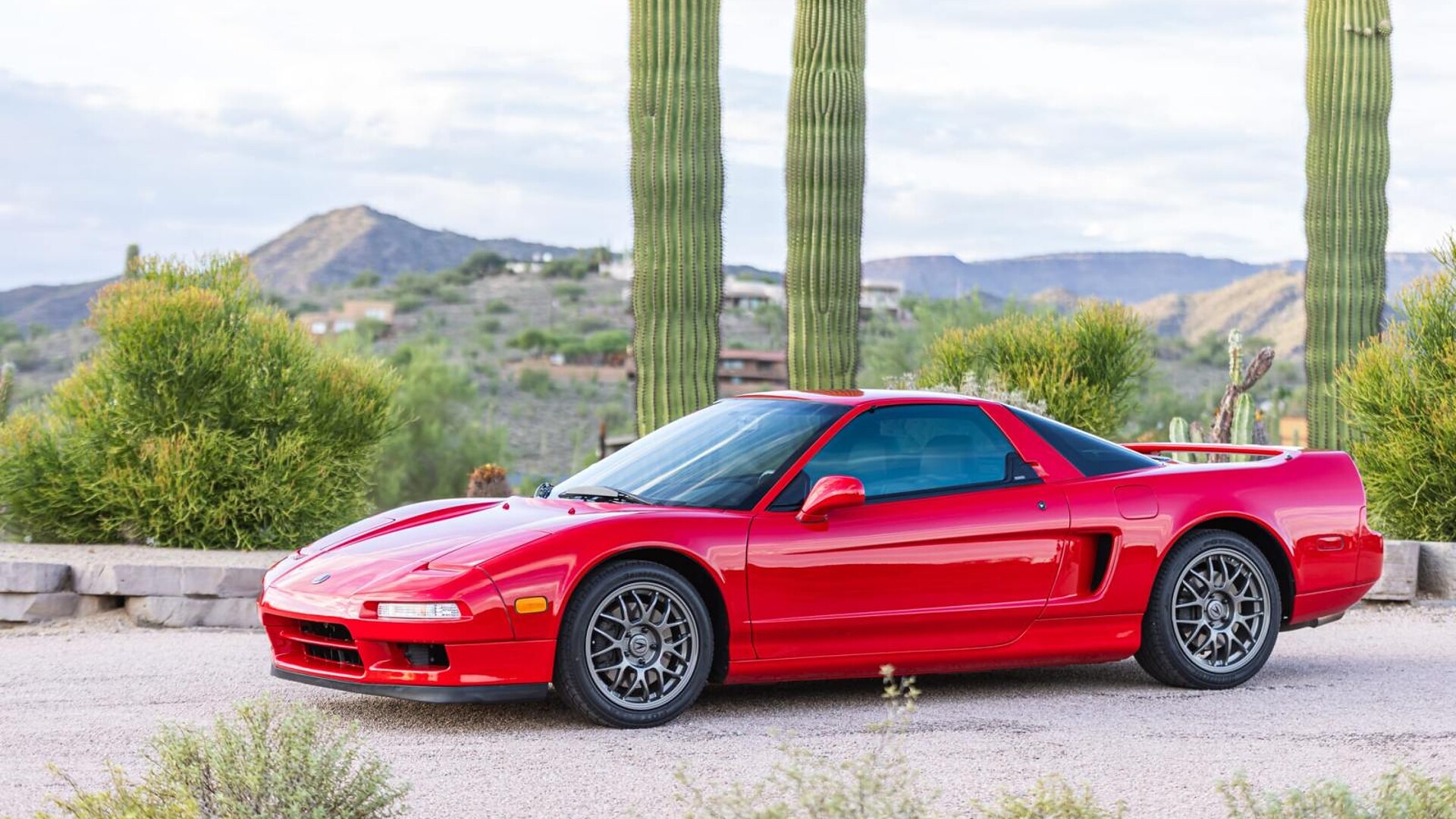
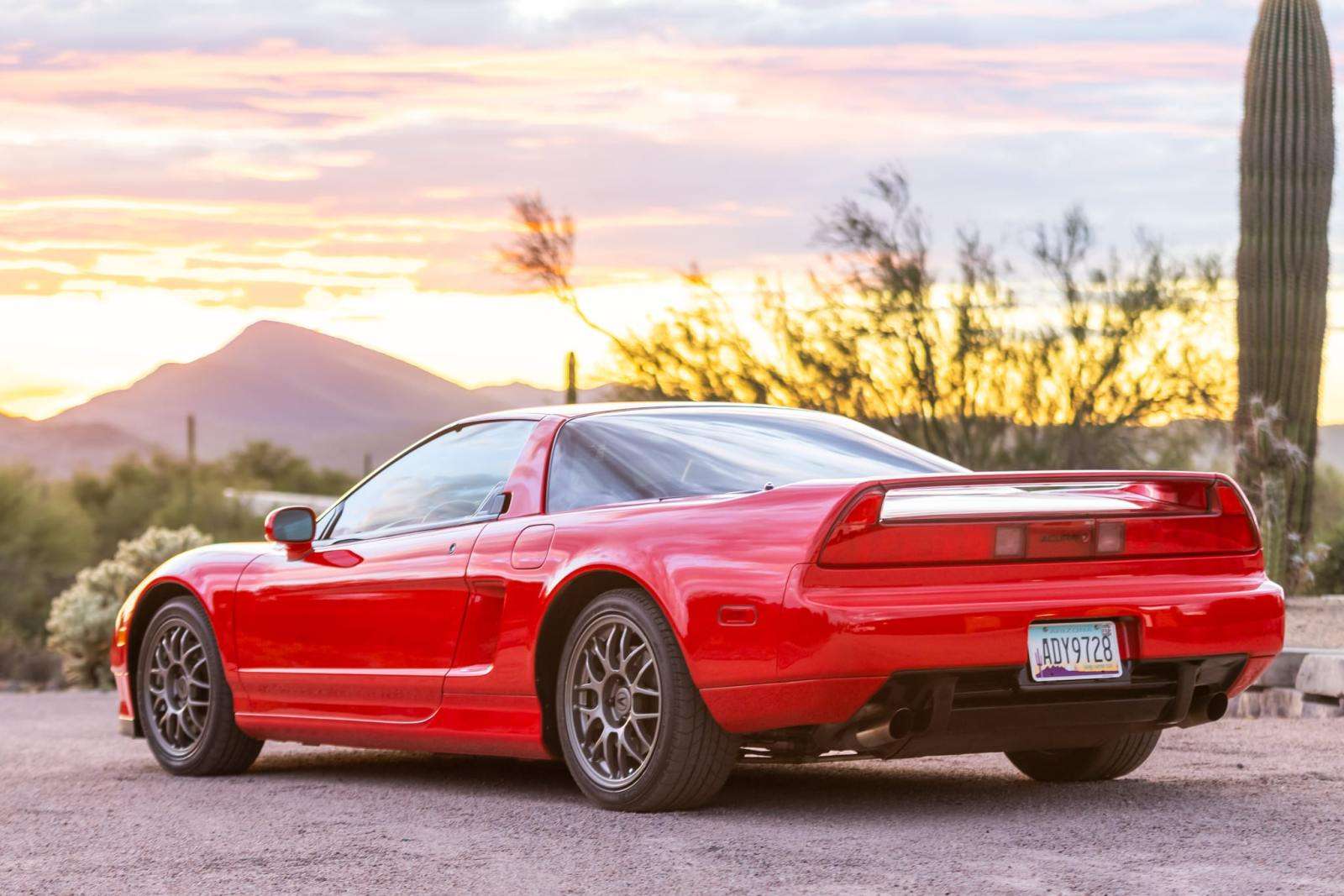
This afternoon, Bring a Trailer closes bidding on a 1999 Acura NSX Zanardi Edition, #22 of the 51 built, offered on behalf of the man who bought it new and showing 23k miles. At the time of writing, the high bid stood at $411,022 with hours still on the clock, comfortably above any public Zanardi Edition result we can find. That number will travel. It is not the story.
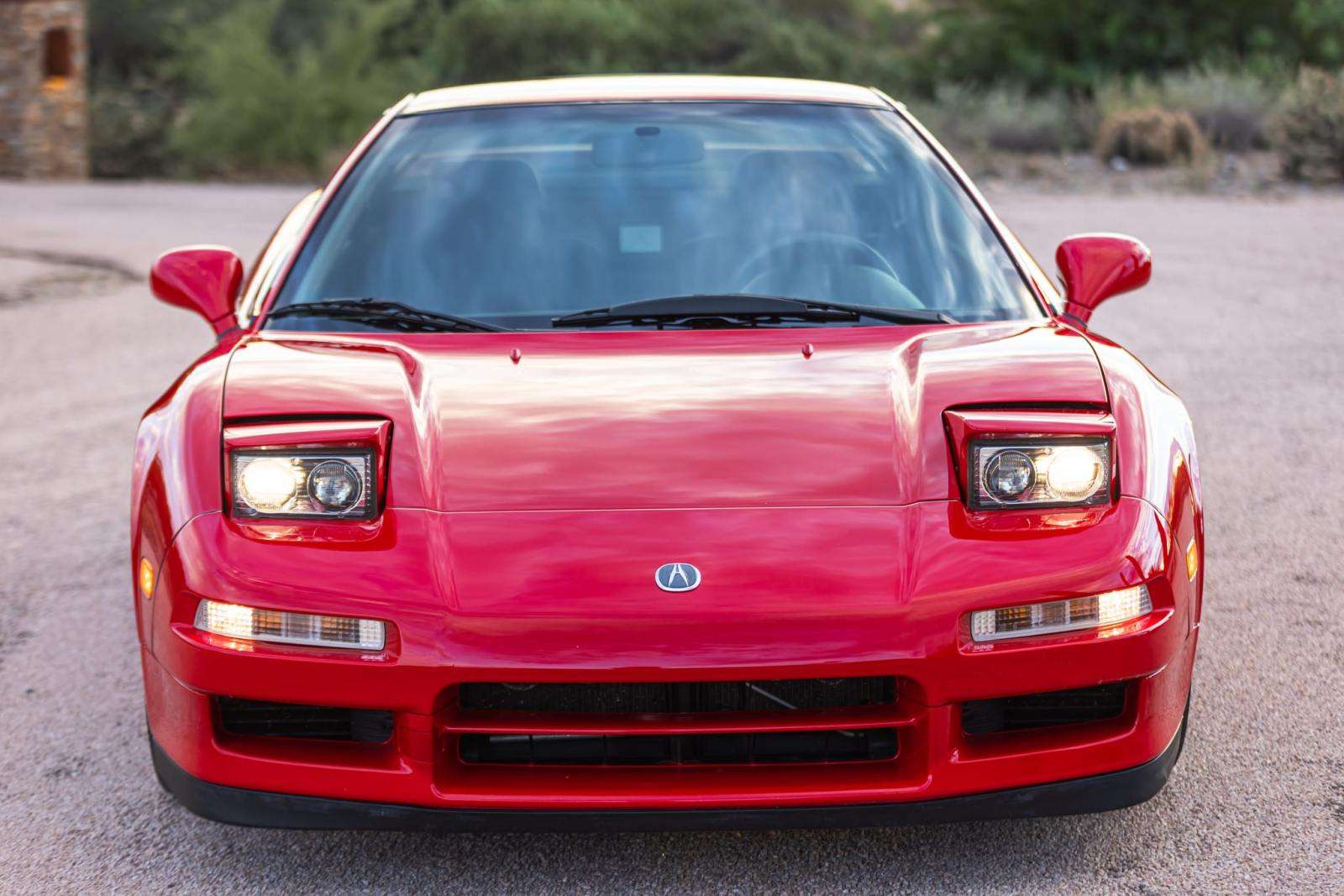
The story is that the Zanardi Edition was never a special edition in the way American buyers used the term in 1999. It was not a paint-and-badges package. It was the one time Honda let the United States have the kind of NSX it had been building for Japanese purists: lighter, firmer, less comfortable, and defined by what was taken away rather than what was added. Twenty-seven years later, and less than five months after Alex Zanardi’s death, the market is finally treating this car as what it always was: a tribute and a purist’s car in the same body.
The NSX Honda kept at home, briefly exported
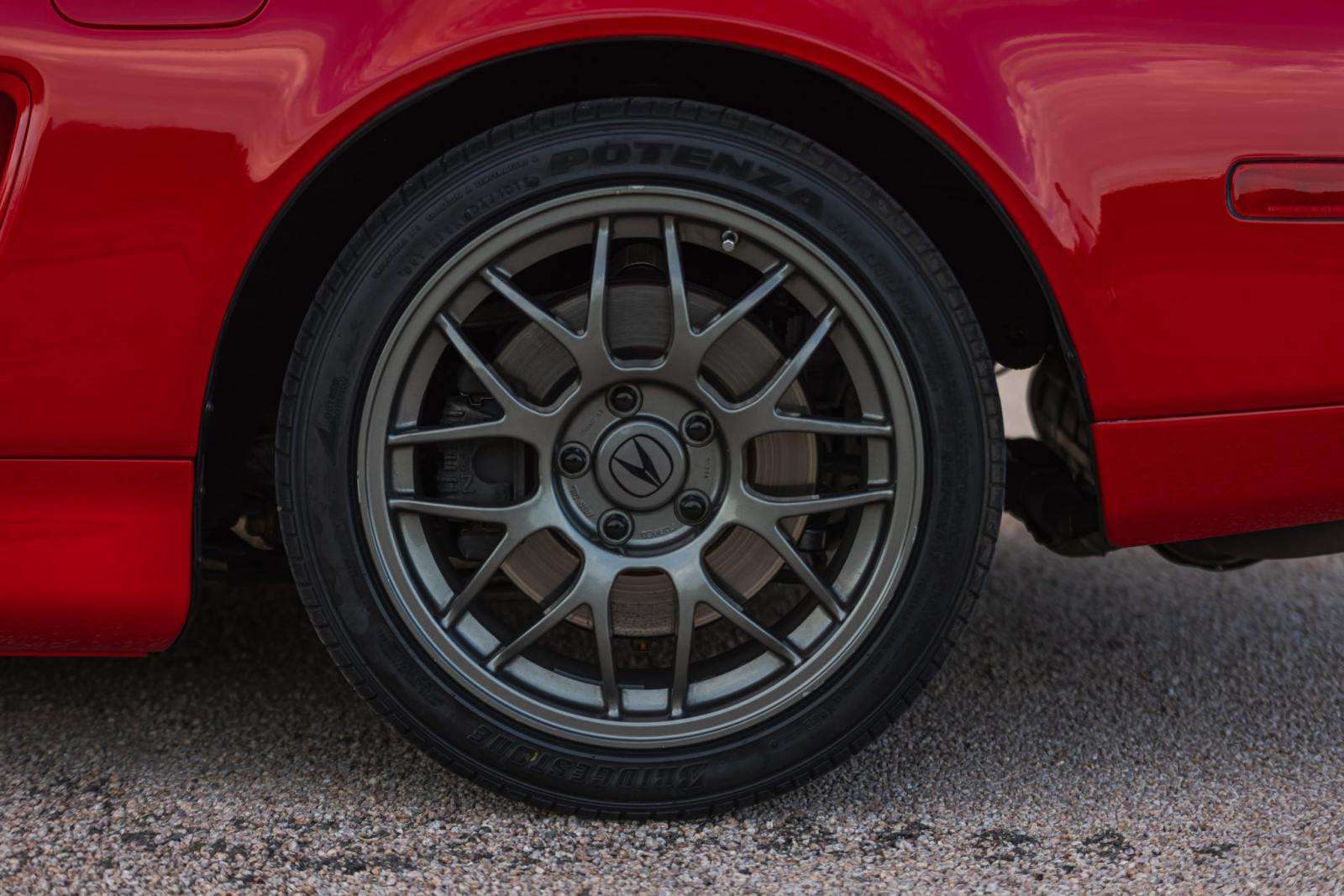
Context matters here. From the early 1990s, Honda built stripped, sharpened NSX variants for its home market, beginning with the Type R, and none of them were sold new in North America. American buyers instead got a car that drifted toward grand touring: from 1995, the removable targa panel became standard on North American cars, and the NSX aged into a comfortable, beautifully engineered daily supercar. The Zanardi Edition reversed that drift for a single model year. According to the seller’s listing, each car received a fixed roof in place of the targa, a single-pane rear glass partition, a lightened rear spoiler, forged BBS wheels in a staggered 16-inch and 17-inch fitment, shocks with higher compression and rebound rates, stiffer springs, a thicker rear anti-roll bar, a lower ride height, and unassisted rack-and-pinion steering.
The steering is the tell. Removing power assistance from a luxury-brand sports car at the end of the 1990s was a deliberate step backward in convenience, and it only makes sense if the goal was feel. The same logic runs through the rest of the specification. Even the vehicle history report on car #22 decodes it as a “Type-S Alex Zanardi,” a small clerical clue that points straight back to the Japanese-market lightweight lineage. Subtraction is the rarest option a manufacturer ever offers, because it is the one the sales department fights hardest.
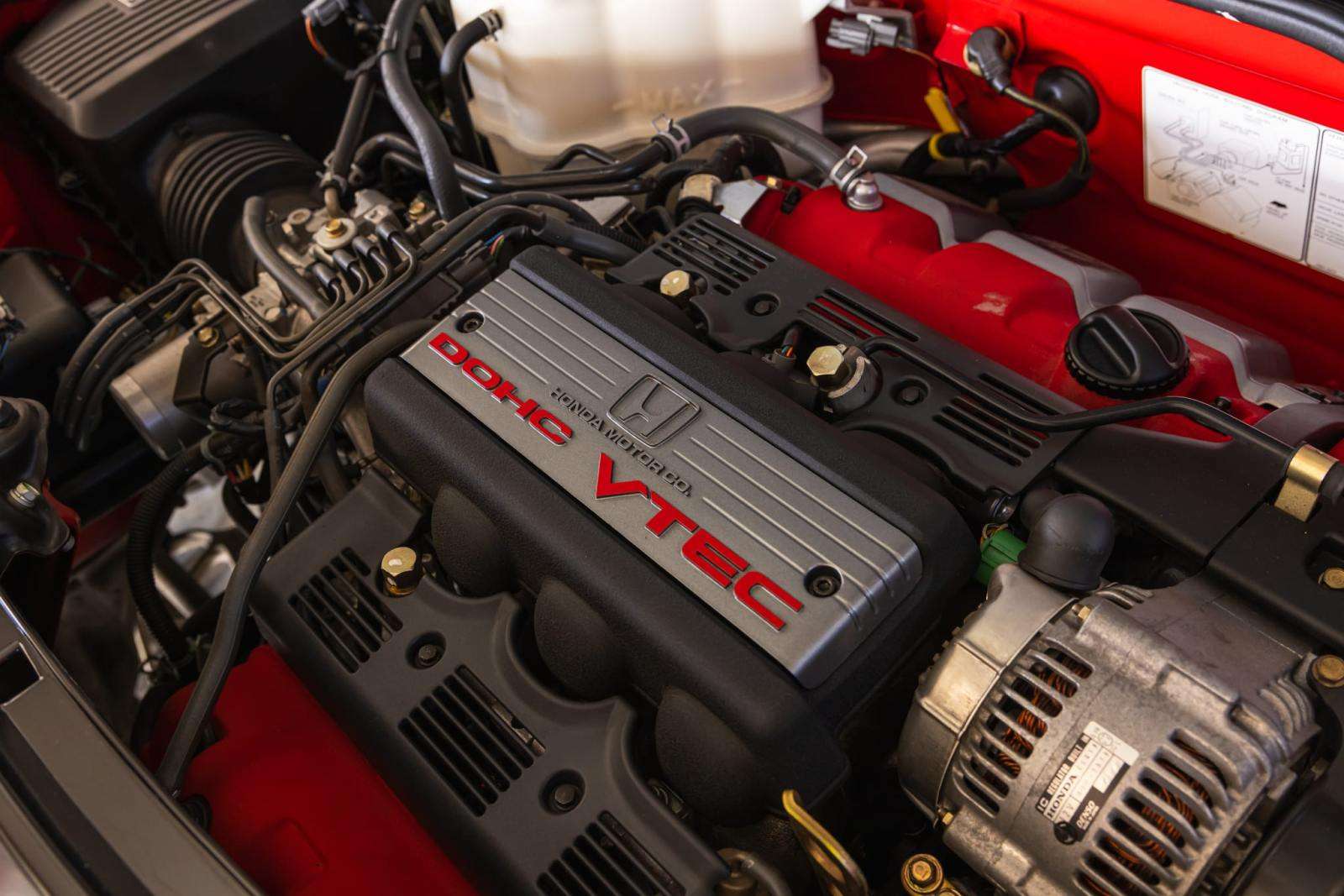
Mechanically, the car is otherwise a late NSX in its best form: the 3.2-liter C32B V6 with dual overhead camshafts per bank and VTEC, rated at 290 horsepower and 224 lb-ft, driving the rear wheels through a six-speed manual transaxle and a limited-slip differential, per the listing. That matters for long-term desirability. Collectors of this era increasingly want the analog car with the most refined version of its drivetrain, and the 3.2-liter, six-speed NSX is exactly that.
Why the name weighs more in 2026
Honda named the car for Zanardi’s back-to-back CART championships in 1997 and 1998, both won in Honda-powered cars for Chip Ganassi Racing. At the time, it was a clever piece of marketing tied to a driver at the top of American open-wheel racing. What followed changed the meaning of the badge. Zanardi lost both legs in a 2001 crash at the Lausitzring, returned to racing, became a Paralympic champion in handcycling, and died on May 1, 2026, at 59, as INDYCAR confirmed. The plaque on the rear firewall of this example, carrying his engraved signature, now reads less like a sales device and more like a memorial.
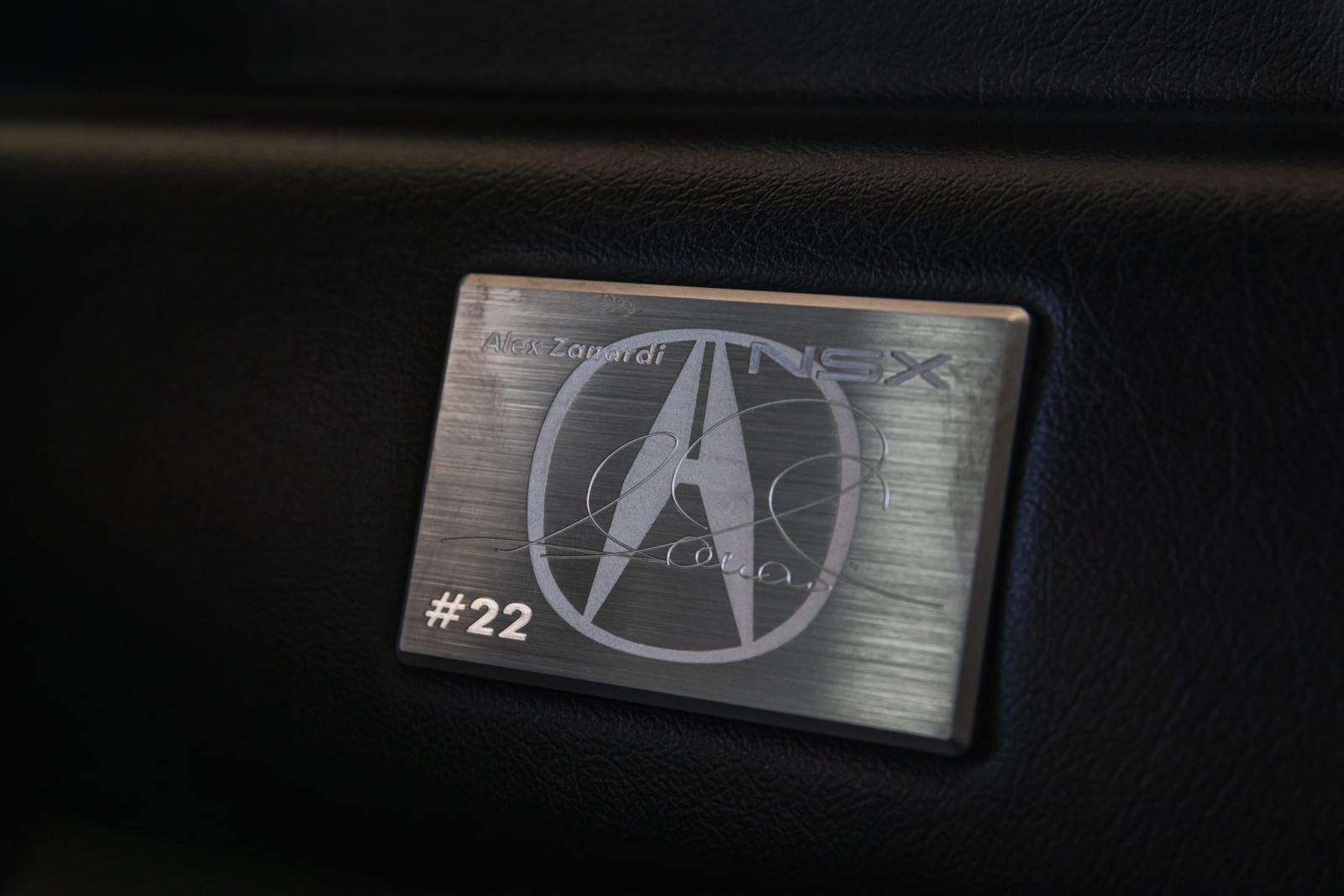
Most driver-named editions fade as the driver’s name recedes from public memory. Zanardi’s moved in the opposite direction, from champion to a figure admired well beyond motorsport. We would caution against attributing today’s bidding to his passing alone; the specification and this car’s custody explain most of it. But collectors have always paid for moments in history rather than horsepower, and the Zanardi Edition is now attached to a larger one than Honda could have imagined when it built the car. For a broader look at how the NSX stacks up against its American rival of the era, see our Dodge Viper versus Acura NSX collector comparison.
Why this car instead of another
Every Zanardi Edition left the factory in New Formula Red over a black interior. There were no color combinations to chase and no options to decode. When a production run is uniform, the variables collectors can actually distinguish narrow to three: custody, mileage and whether the car has been altered. Car #22 scores well on all three. It is offered by its original owner, it comes with owner’s manuals, service records, a clean Carfax and a clean Arizona title, and it appears to retain its factory specification, down to the Onyx leather and suede seats, the Bose system and the cassette head unit with its remote six-disc changer.
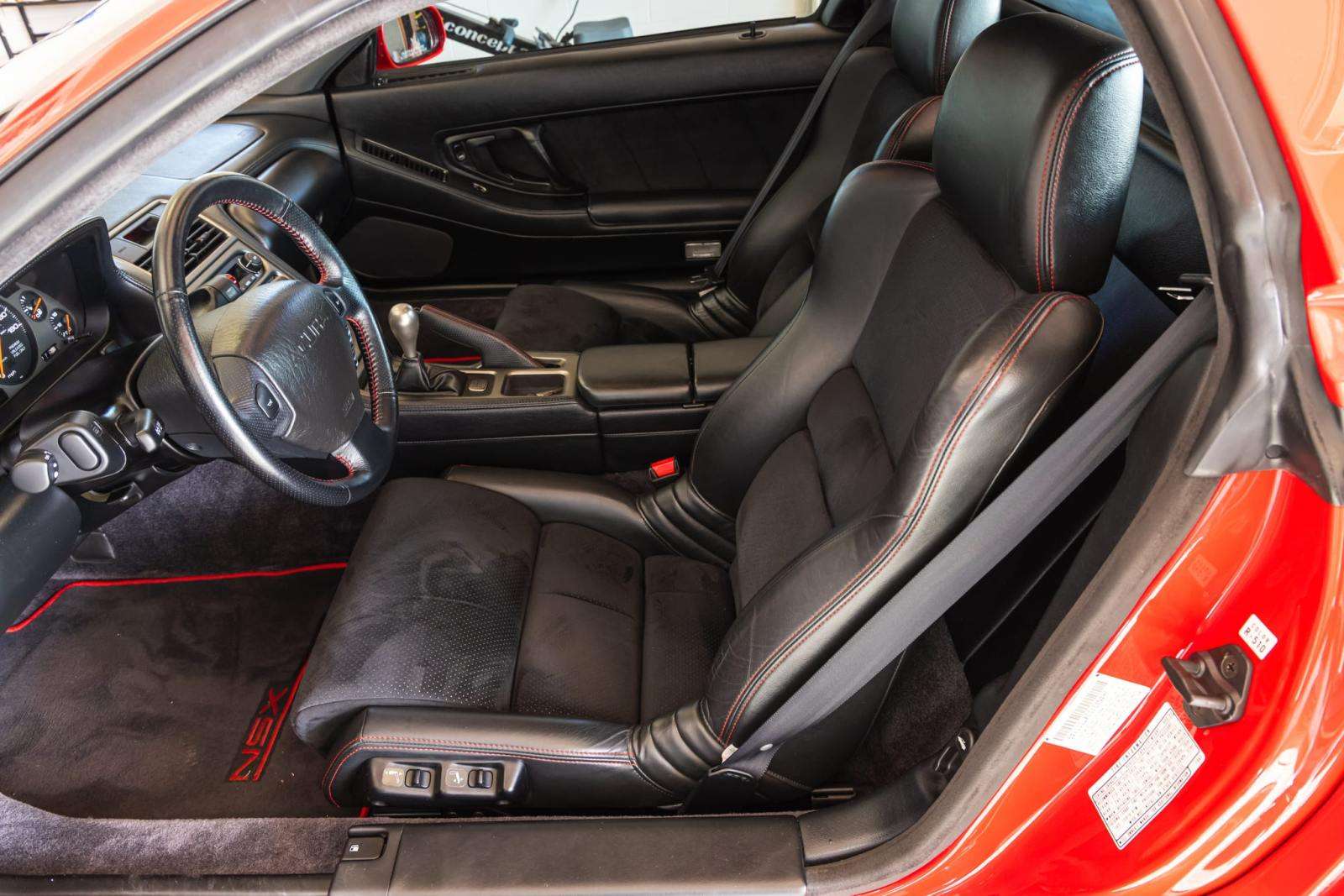
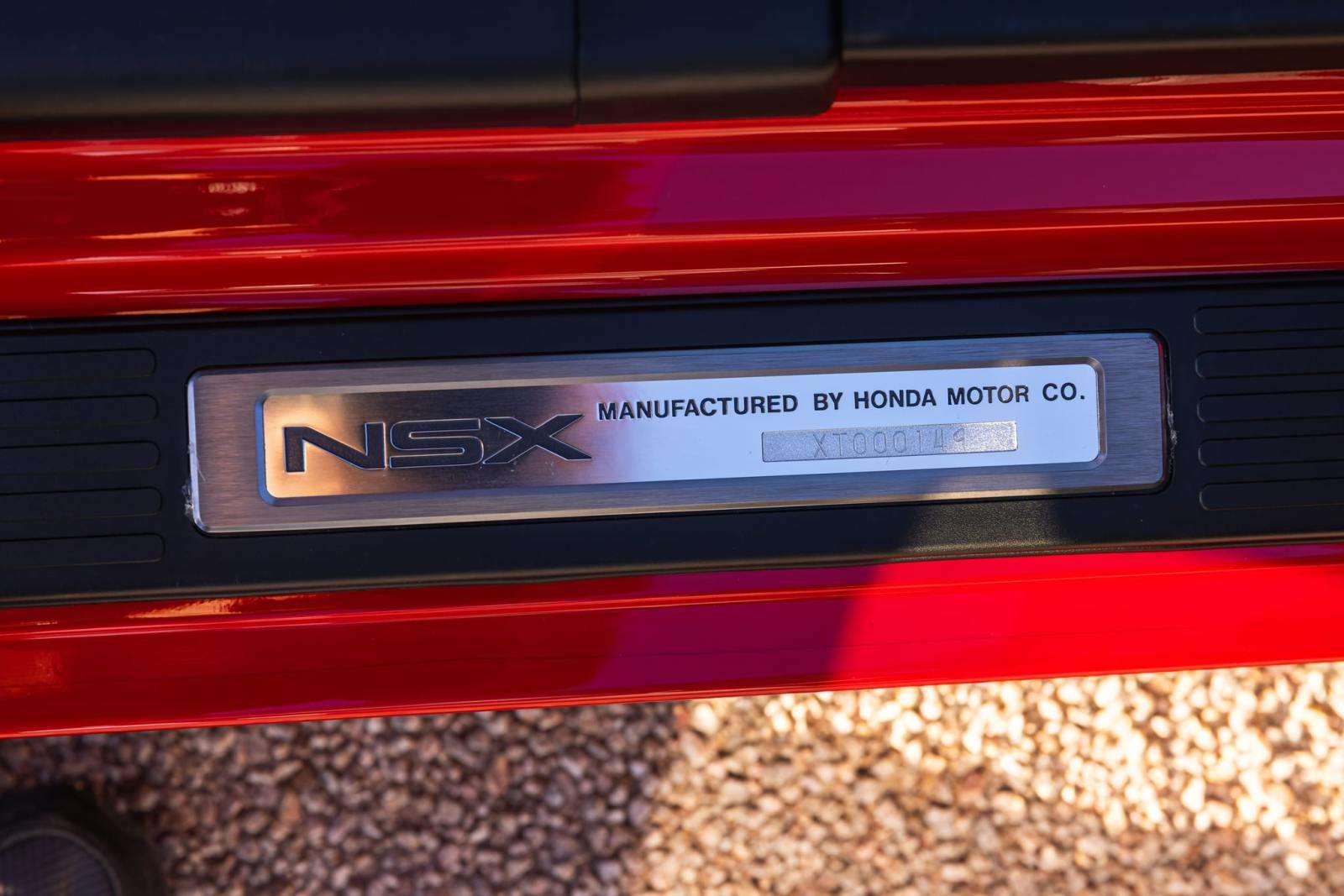
That originality is worth more here than it would be on an ordinary NSX, and the reason is arithmetic. With only 51 cars, each modified or heavily used example removes a meaningful share of the population from contention for the top of the market. A supercharged Zanardi Edition has appeared for sale before, and modified standard NSXs regularly cross the block, as with the modified 1991 NSX we covered ahead of Saratoga. In a population this small, originality compounds. The same principle drives the premium on matching-numbers Porsches, which we explored in our guide to 911 engine numbers, and on long-held Japanese cars such as the 240Z owned since 1975. Details like the serial-numbered sill plates on this NSX are small, but they are exactly what a future buyer will check.
Reading the comparables carefully
The public record for Zanardi Editions is thin, which is precisely why each sale moves the conversation. In September 2020, the final car, #51, delivered new to AMA Superbike champion Miguel Duhamel and showing under 12,000 miles, sold on Bring a Trailer for $277,017. In August 2022, Bonhams sold #3 at its Quail Lodge auction for $240,800 including premium, with the catalog noting tasteful upgrades. Against those, the current bid on #22 is a substantial step, and it arrives without the celebrity first owner that #51 carried. That is the market signal worth noting: the premium is attaching to the model and to originality itself, not to a one-off story.
The caveat is liquidity. A 51-car population produces only a handful of public transactions in a decade, so every result carries outsized weight and none should be read as a settled value for the model. The broader direction, though, is consistent with what we have seen across Japanese performance cars of this period, from the 72-mile LFA Nürburgring Package to the belated recognition of the 3000GT VR-4, and with the NSX’s own history. As we argued when the last second-generation NSX Type S went to auction, significance tends to outrun production numbers. This first-generation car has both.
What serious buyers should look at
First, identity. The plaque number, the serial-stamped sill plates and the chassis number listed for this car, JH4NA2122XT000149, should reconcile with one another and with the enthusiast registries that track the 51 cars. On a model this small and this valuable, provenance is not a formality.
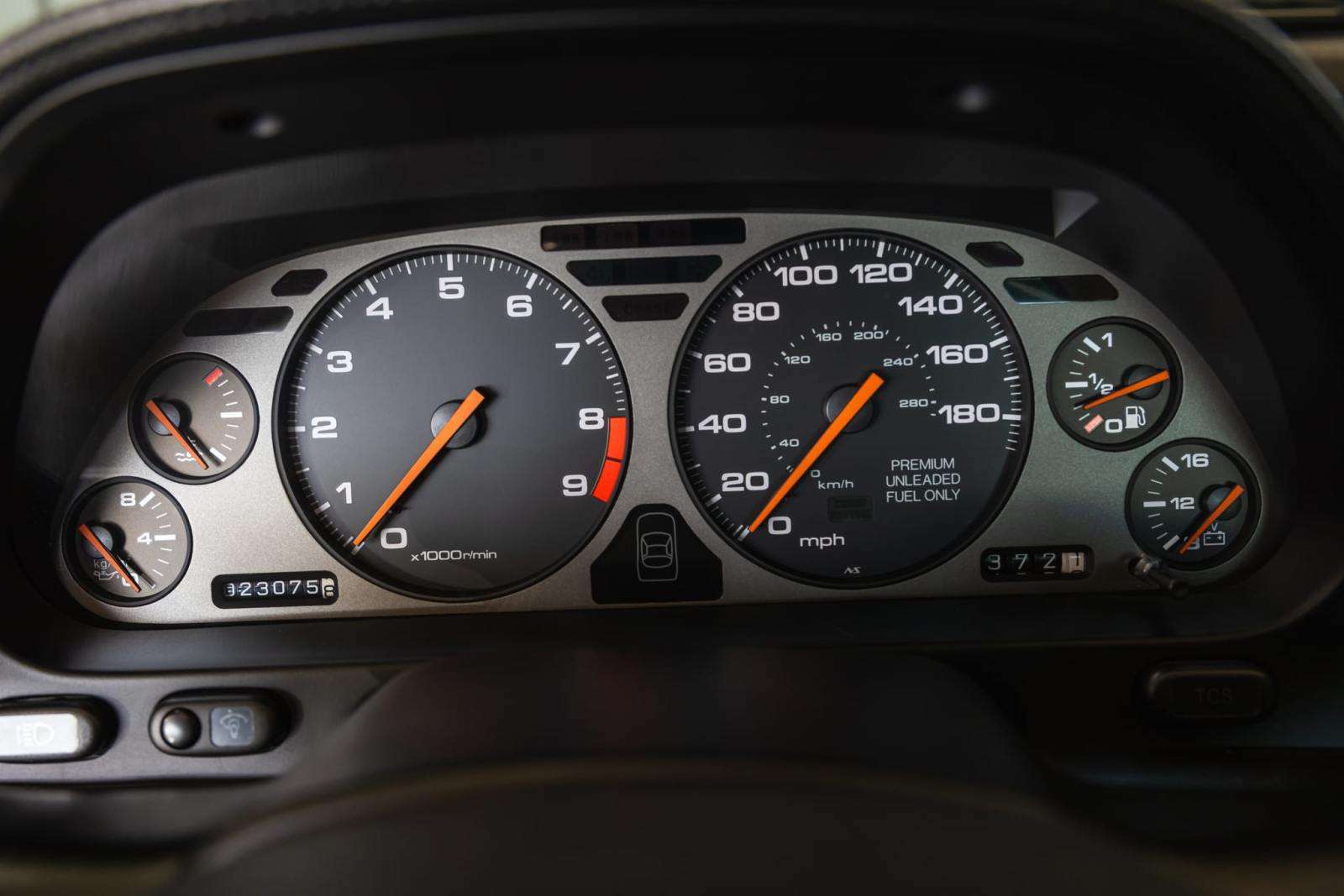
Second, cosmetic honesty. The seller notes paint protection film on the front end and has photographed paint-meter readings, and discloses scrapes on the underside of the front bumper cover. That transparency is a point in the car’s favor. The history report lists 21,700 miles as the last reported reading, consistent with the 23k shown, and records one owner with no reported accidents, per the listing.
Third, age rather than mileage. A 27-year-old car with 23k miles has rubber, fluids and belts that have aged on the calendar. The seller reports fresh oil and a brake fluid flush in September 2026; a buyer should also confirm when the C32B’s timing belt was last replaced and check the date codes on the Bridgestone tires. None of these are red flags on #22. They are simply what separates a preserved car from a merely low-mileage one.
The verdict
Strip away the final price and the lesson stands. The Zanardi Edition is significant because it is the only factory NSX sold new in America that was built around what Honda removed, and because the name on its plaque now belongs to one of motorsport’s most admired figures. Car #22, with one owner and its specification intact, is about as close to the original intent as the population allows. Honda built 51 of these to thank a driver. It has taken the rest of us a quarter century to understand what the thank-you was worth.
The collector car market, every weekday morning.
Auction results, price moves and what’s crossing the block, read in four minutes. Free, from Modern Car Collector.
No spam, unsubscribe in one click. Or read more about the Brief.
Related Posts:
- First-Generation Acura NSX (1991–2005): Collector Spec Sheet
- Dodge Viper vs Acura NSX: Which Is The Better Collector Car?

- For Sale: This Modified 1991 Acura NSX Is Heading to…
- Today in Collector Car History: Honda Became a…
- 18 Steve McQueen Cars and Motorcycles That Have Sold…
- The Collector Car Market Paid Up for Certainty This…
 John Lloyd
  Shawn Henry
  Eve Nowell