

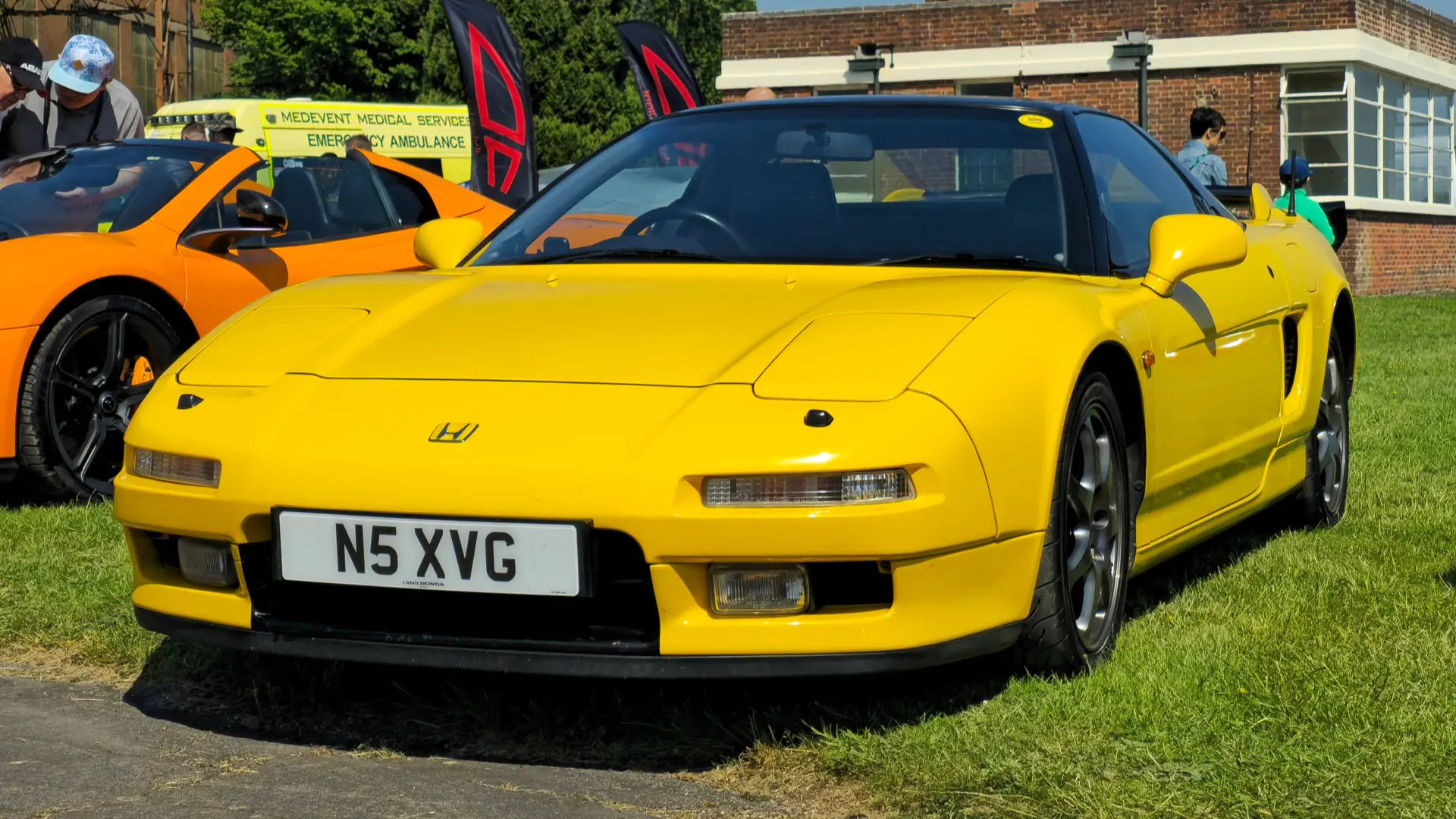
Honda built 18,685 first-generation NSXs. JAS Motorsport plans to turn 35 of them into something else. That inversion, converting an abundant and well-liked car into a scarce one, is the whole proposition of the JAS Tensei, and it is the right place to start asking whether the car can ever be collected.
The Tensei is a Pininfarina-styled, carbon-bodied, Judd-built restomod of the original NSX. JAS began teasing it in August, and Unit 001 is on show at the Paris Motor Show, which runs October 12–18. Honda is not involved in the build. So the question for collectors is not whether the Tensei is a good NSX. It is whether a restomod can hold value on the strength of its builders and its build number rather than the badge on the donor car.
The Numbers: 35 Cars From a Base of 18,685
Motor1 reports that JAS plans 35 examples, each starting as a customer-supplied donor NSX. The word to hold onto is “plans.” Only Unit 001 has been shown, and no delivery dates have been published. Motor1 says timing depends on how quickly JAS can source donor cars and finish the drivetrains.
JAS also advertises “hundreds of customisable combinations,” according to its own announcement. Bespoke specification helps owners and makes comparable sales harder to find, which matters later at auction.
- Planned production: 35 cars, per Motor1. Not yet built or delivered.
- Donor: a customer-supplied first-generation NSX. Honda built 18,685 across all markets from 1990 to 2005, per MCC’s first-generation NSX spec sheet.
- Shown so far: Unit 001, at the Paris Motor Show.
Price: Roughly Six to Eleven Times the Donor
Motor1 reports pricing from €880,000, about $959,000, excluding the donor car, taxes and personalization. JAS has not published a price list, so treat that as reported, not confirmed.
The donor is not cheap either. MCC’s spec sheet puts typical NA1 coupe values around $84,000 and 2002–2005 facelift cars around $167,000. That means a finished Tensei will likely cost more than $1 million before options, or six to eleven times the car it is built from.
Price is not the story here. The multiplier is. A buyer is paying for Pininfarina design, Judd engineering and a build number, and none of those has a resale record yet. For comparison, MCC’s NSX spec sheet records a 23,000-mile Zanardi Edition at $628,000 in September 2026. See our Zanardi Edition analysis for what that car was and why the market now prices it as it does.
Mechanical Uniqueness: The NSX, With Everything Turned Up
A standard NSX made 270 hp in 3.0-liter manual form and 290 hp in 3.2-liter form. The Tensei keeps the Honda C30A block but has Judd rebuild it to 3.5 liters. Motor1 lists 414 hp at 8,300 rpm and an 8,500 rpm redline. Other outlets quote 420 to 425 hp, so expect the figure to firm up.
- Engine: Judd-rebuilt 3.5-liter V6, naturally aspirated. Judd fits a redesigned crankshaft, light-alloy heads and titanium valves, and fixed valve timing replaces VTEC, per Motor1.
- Drivetrain: six-speed manual, carbon twin-disc clutch, Torsen limited-slip differential, rear-wheel drive.
- Body: Pininfarina-designed carbon fiber replaces the original aluminum panels, over a retained and reinforced aluminum structure.
- Weight: 2,756 lb dry, as quoted by JAS.
- Running gear: Brembo brakes and KW dampers with electronically adjustable damping.
Few new cars combine a naturally aspirated V6, a manual gearbox and rear-wheel drive at this level, and none of the three is likely to return in volume. That recipe is the strongest part of the collector case. Even Porsche’s naturally aspirated flat-six is entering its final act in the 2027 911 GT3. The loss of VTEC is the part some NSX purists will resent.
Historical Context: Honda’s Halo, Rebuilt in Italy
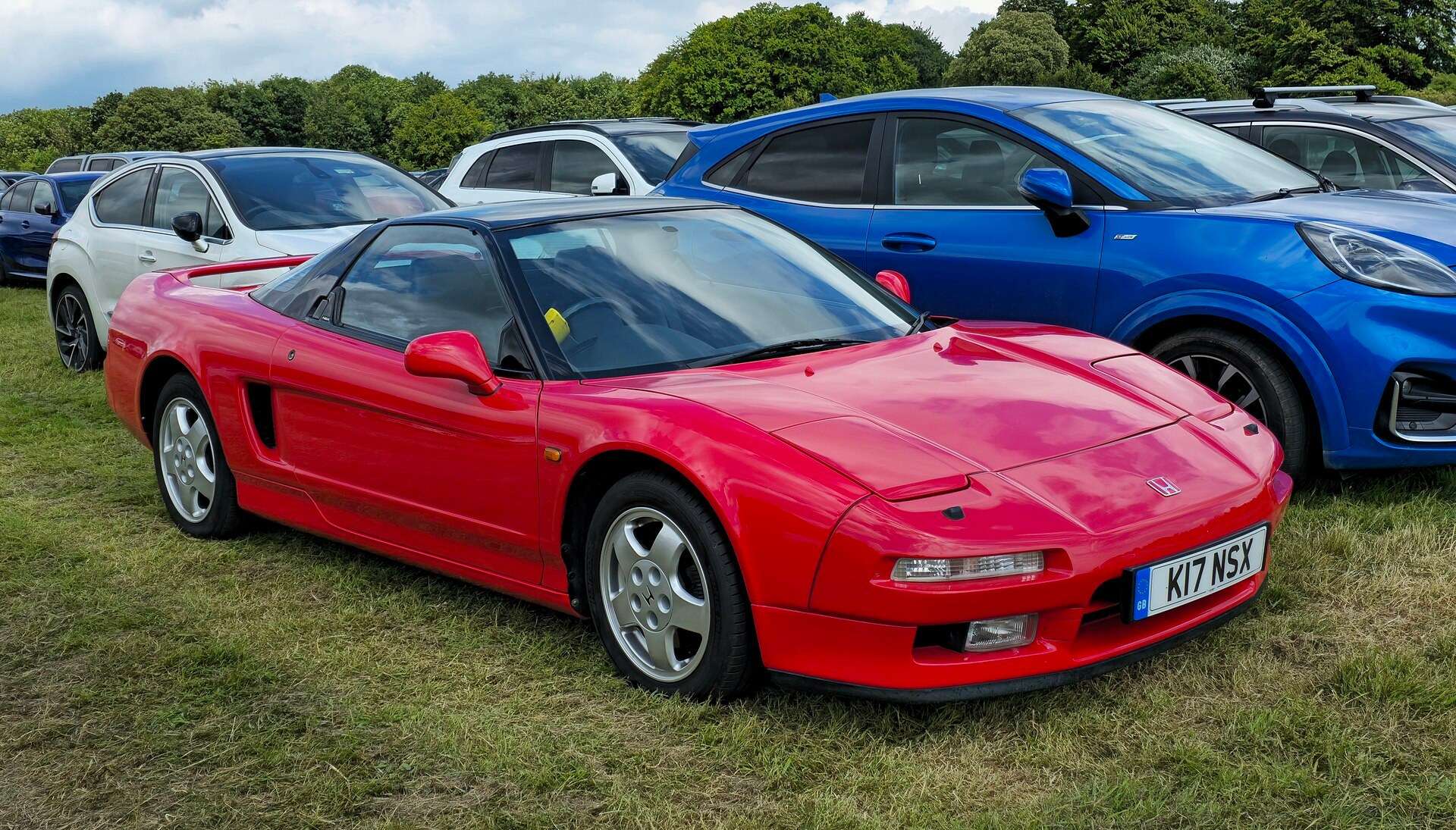
The NSX arrived in 1990 as a Honda statement car and ran until 2005. Interesting Engineering notes that Pininfarina had worked on Honda’s HP-X concept in 1984, which preceded the production car, so the Tensei’s design partner has a real link to the original. JAS has been an official Honda partner since 1998, first as a works team and later as an engineering and customer-service provider. That is a credential, but it is not Honda’s endorsement of this car.
Restomods have a mixed record as collectibles, and the exceptions are instructive. Singer’s Porsches carry real value because of the maker, as in MCC’s look at the Singer DLS Turbo Firefly commission. Smaller builders face harder questions, which we explored in Rezvani’s Dune, a test of whether a modifier can become a marque. The Tensei sits between the two: more established partners than most, but no track record yet.
The market is also ready for this kind of car. Our report on Mecum Nashville’s early results showed restomods leading sales, and values for the original NSX have been climbing.
Alternatives Collectors Will Compare It To
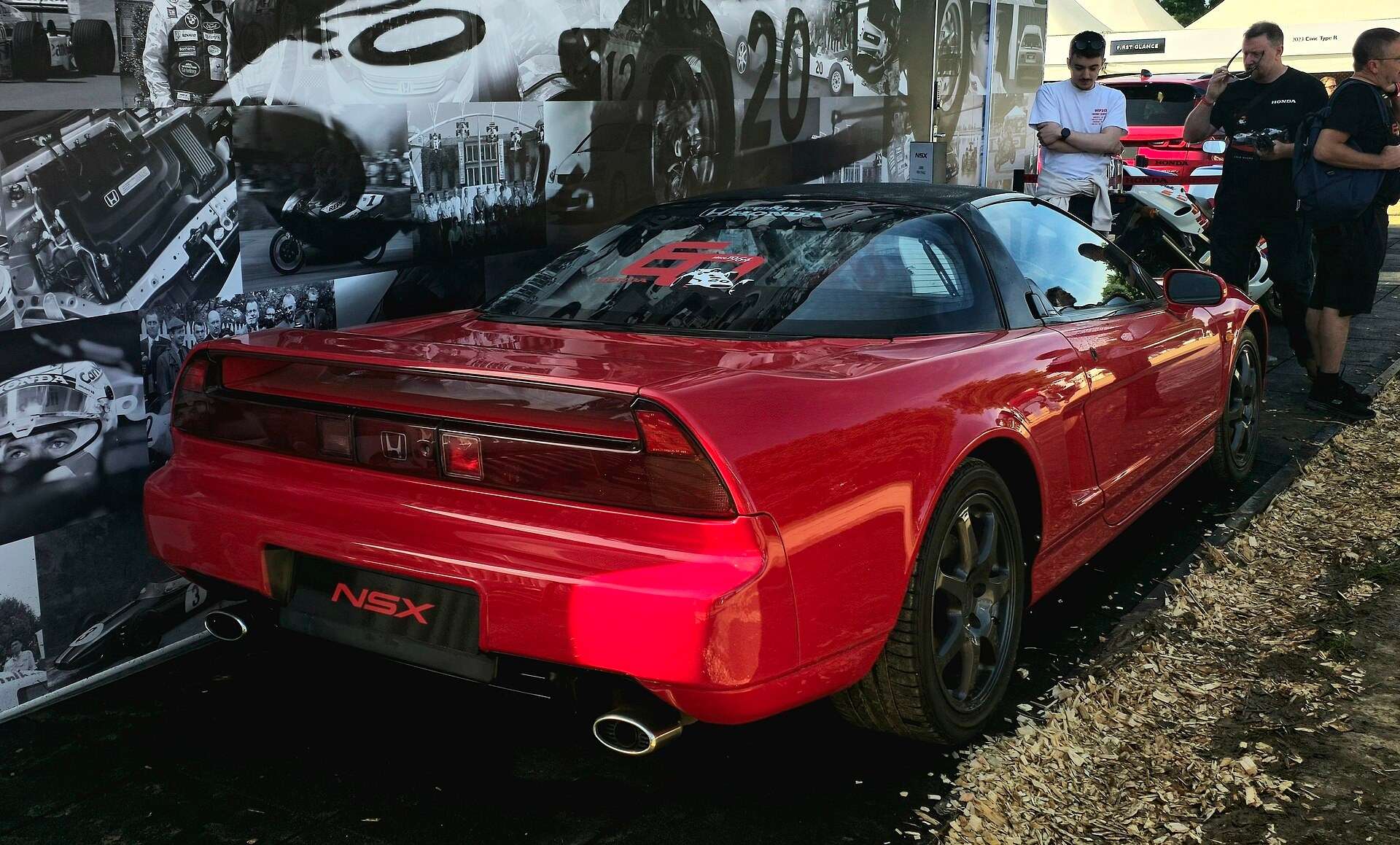
- An original NSX: $84,000 to $167,000 by MCC’s benchmarks, with documented, unmodified cars at a premium. See the NSX collector spec sheet.
- A Zanardi Edition: 51 U.S. cars, with a 23,000-mile example at $628,000 in September 2026. Cheaper than a Tensei before the donor, and entirely original.
- Acura’s own last NSX, the Type S: 350 cars, built by the factory, with a clear identity.
- Singer’s DLS Turbo: 99 cars, a proven restomod brand with auction history.
- A gated-manual Ferrari: the F430 Spider with a six-speed shows how much collectors pay for a manual in a mid-engine exotic.
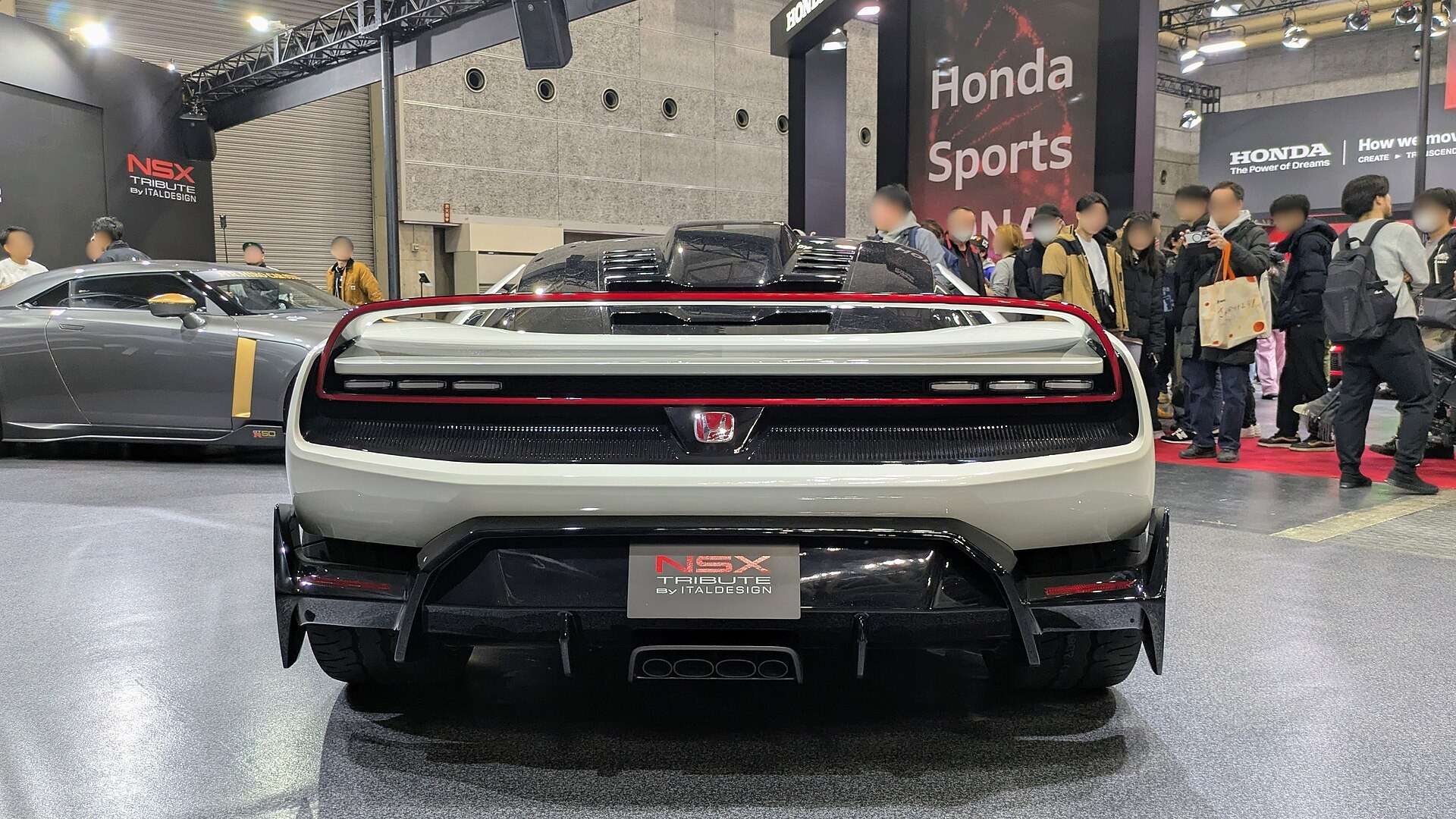
- Another Italian-styled NSX: Italdesign’s NSX Tribute, shown at Osaka Auto Messe 2026, takes a different route to the same idea.
The nearest comparison among new, limited, driver-focused cars is the Toyota GR GT, which MCC assessed recently. It has a factory behind it and no manual gearbox. The Tensei has a manual gearbox and no factory.
Risks to the JAS Tensei Collector Car Case
- It is unproven. One show car, no deliveries and no independent road tests yet.
- Pricing is not confirmed. The €880,000 figure comes from reports, not a published price list.
- There is no Honda endorsement. The car sells on its builders, not on factory backing.
- Bespoke builds are hard to value. Cars with hundreds of possible specifications will not trade as a tidy series.
- VTEC is gone. Some NSX buyers will see the engine as a different car altogether.
- Delivery depends on donors. A build schedule tied to sourcing donor cars can slip.
- Registration and emissions are open questions. None of the coverage we reviewed addresses where, and how, owners will be able to register and drive one.
- The donor market is rising. That raises the cost of every build and narrows the spread between the finished car and its parts.
What Would Need to Happen
Several things would turn a well-presented show car into a collectible:
- A published price and a confirmed 35-car cap, with a list of delivered chassis.
- Delivered cars that independent testers can drive and review.
- A first resale at or above the original price, at a named auction house, within the first few years.
- Documented donor history on every car, so each Tensei carries the provenance of the NSX it came from.
- Some visible acknowledgement from Honda, even if only at heritage events.
The Verdict: Is the JAS Tensei a Future Collector Car?
Plausibly, with conditions. The recipe is right: 35 cars, a naturally aspirated V6, a manual gearbox, Pininfarina design and a Judd engine. It carries the NSX’s history without needing a Honda factory to build it. But all of that is currently a promise. No delivered car, firm price or resale exists, and restomods have to earn their values owner by owner.
Our view: early, well-documented cars with unusual specifications have the best chance. Later cars will depend on the first resales. And the Tensei is better thought of as a Pininfarina and JAS collectible than as an NSX one.
If you had $1 million to spend on an NSX, would you take a 23,000-mile Zanardi Edition you can drive today, or a place on the build list for a car that does not yet exist?
The collector car market, every weekday morning.
Auction results, price moves and what’s crossing the block, read in four minutes. Free, from Modern Car Collector.
No spam, unsubscribe in one click. Or read more about the Brief.
Related Posts:
- First-Generation Acura NSX (1991–2005): Collector Spec Sheet
- Today in Collector Car History: Honda Became a…
- Acura's Zanardi Edition NSX Was Always a Tribute.…
- Dodge Viper vs Acura NSX: Which Is The Better Collector Car?

- Depreciation and Market Comparison of the Pontiac…
- The Complete Guide to the Yenko Camaro
 Shawn Henry
  Kyle Matthews
  Eve Nowell