

On September 24, 1948, the Honda Technical Research Institute in Hamamatsu became Honda Motor Co., Ltd. It started with 34 employees, counting its president, Soichiro Honda, and 1 million yen of capital. Honda’s own heritage archive records that nobody marked the day. There was no ceremony and no speech. Kiyoshi Kawashima, who later led the company, remembered hearing about the incorporation only as he left work that evening.
For collectors, that quiet start is worth remembering. Honda was set up to do engineering work first, and its most valuable cars today still reflect that. Collectors pay the most for the Hondas that leave things out: weight, comfort, sound deadening, sometimes even a folding roof. Seventy-eight years after the incorporation, the market’s clearest rule for the marque is simple. The more a Honda strips away, the more it is worth.
From Motorcycles to a DOHC Roadster
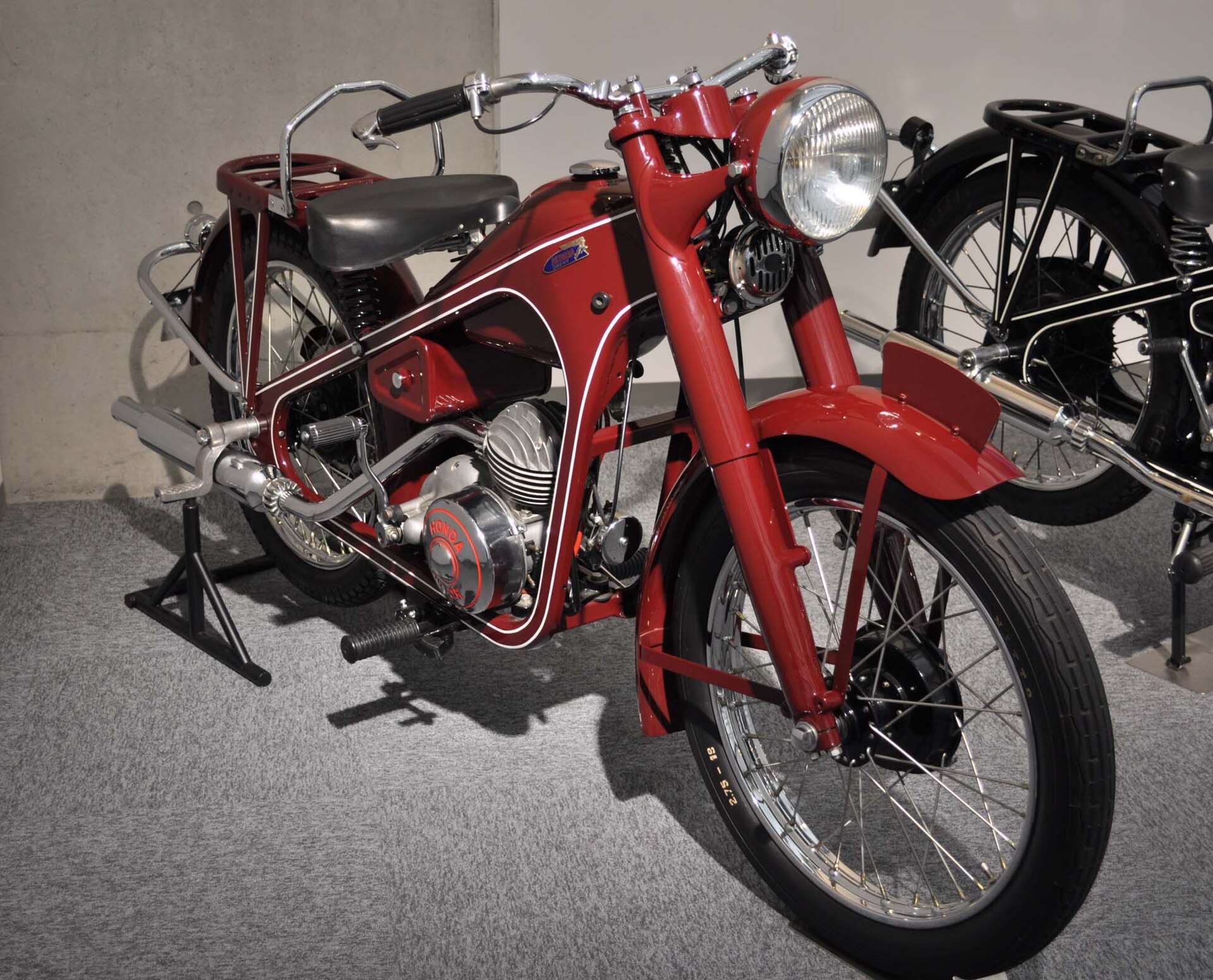
For its first 15 years, the new company built two-wheelers. The 98cc Dream D-Type of 1949 was Honda’s first mass-produced model. The Dream E-Type of October 1951 moved to a four-stroke engine, and within six months monthly output had risen from about 160 units to 500, according to Honda’s 75-year corporate history. Co-founder Takeo Fujisawa joined as managing director in 1949 and ran sales, finance and the dealer network. That split, with Honda on engineering and Fujisawa on the business, shaped the company for decades.
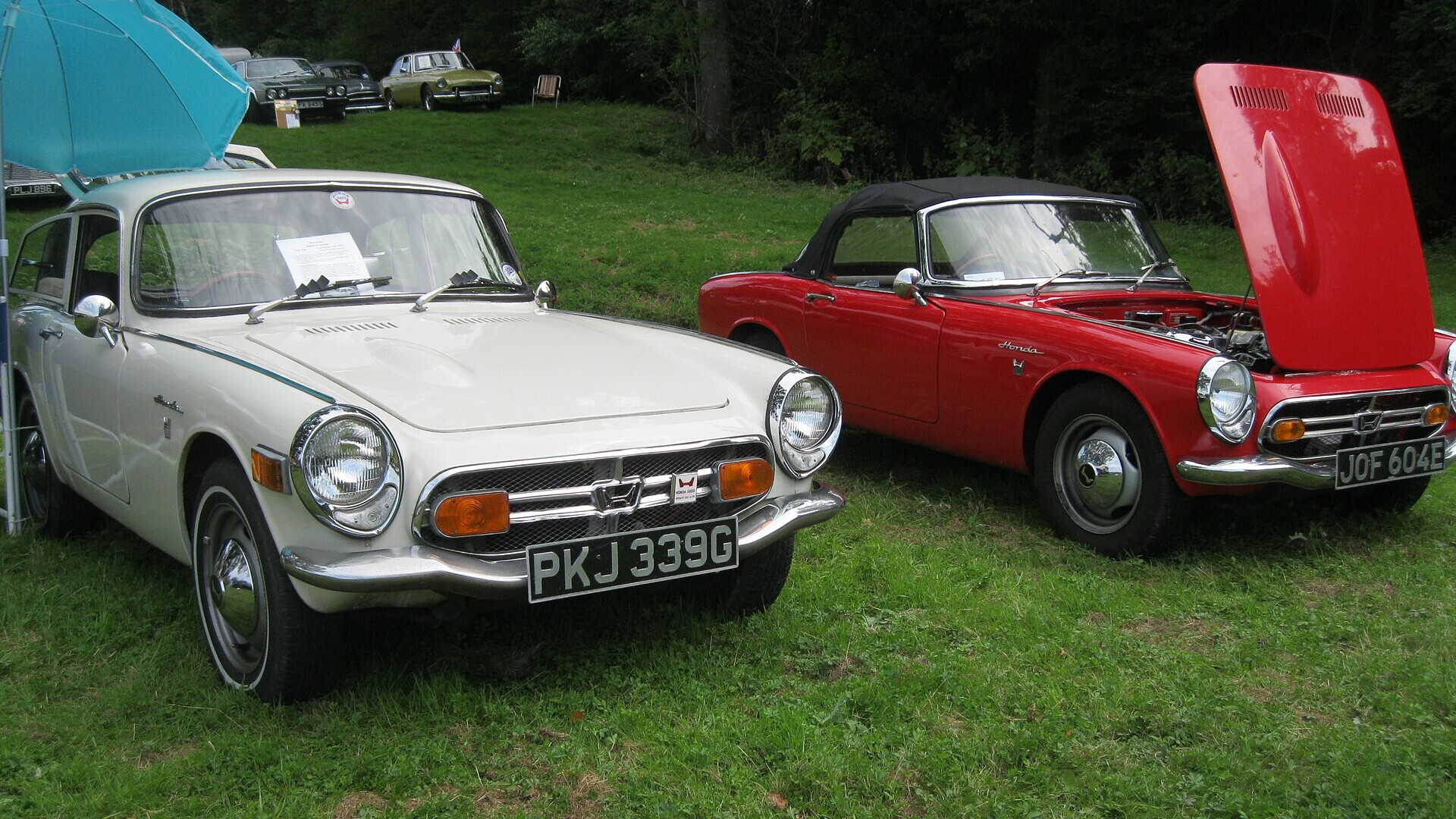
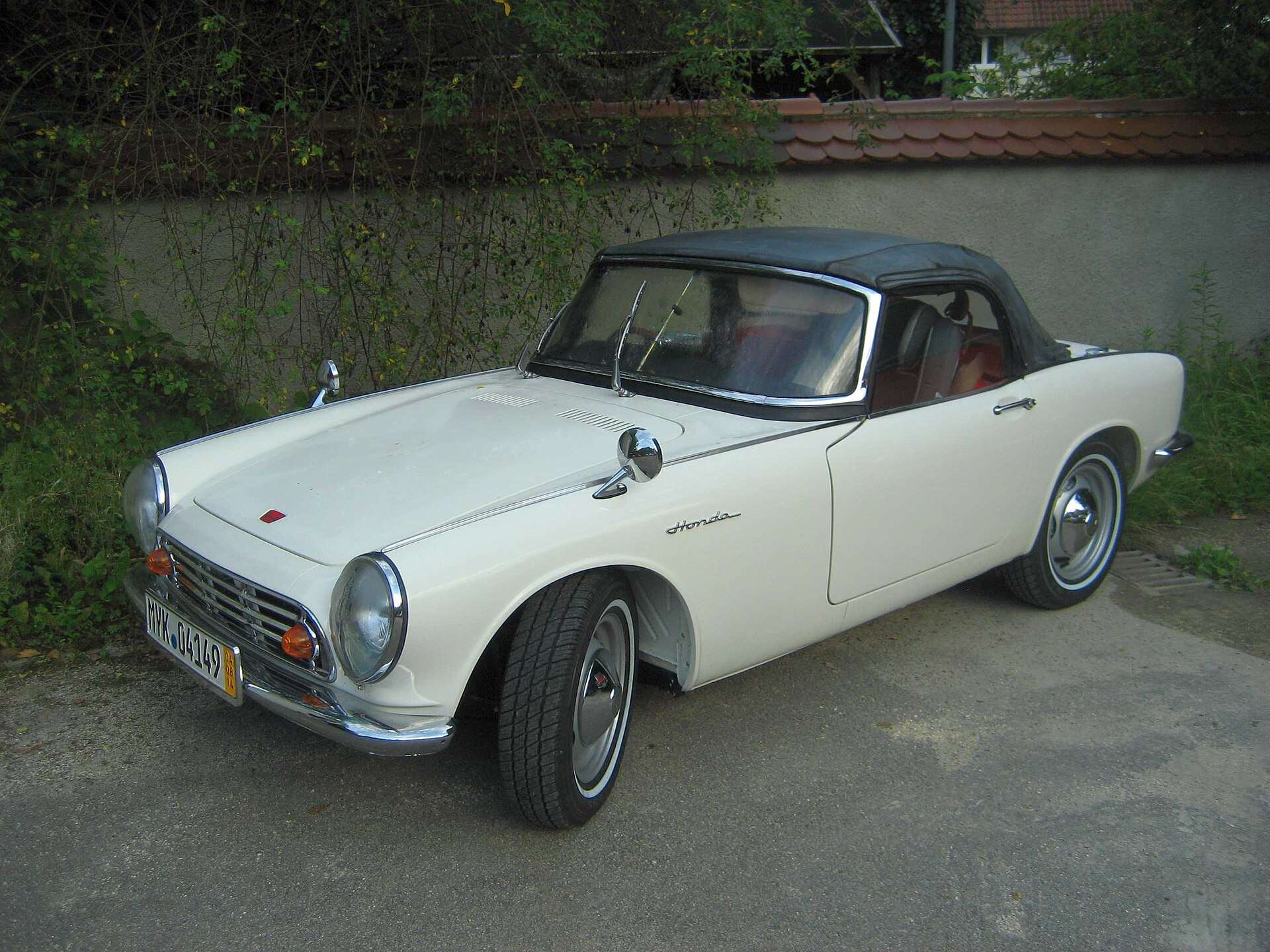
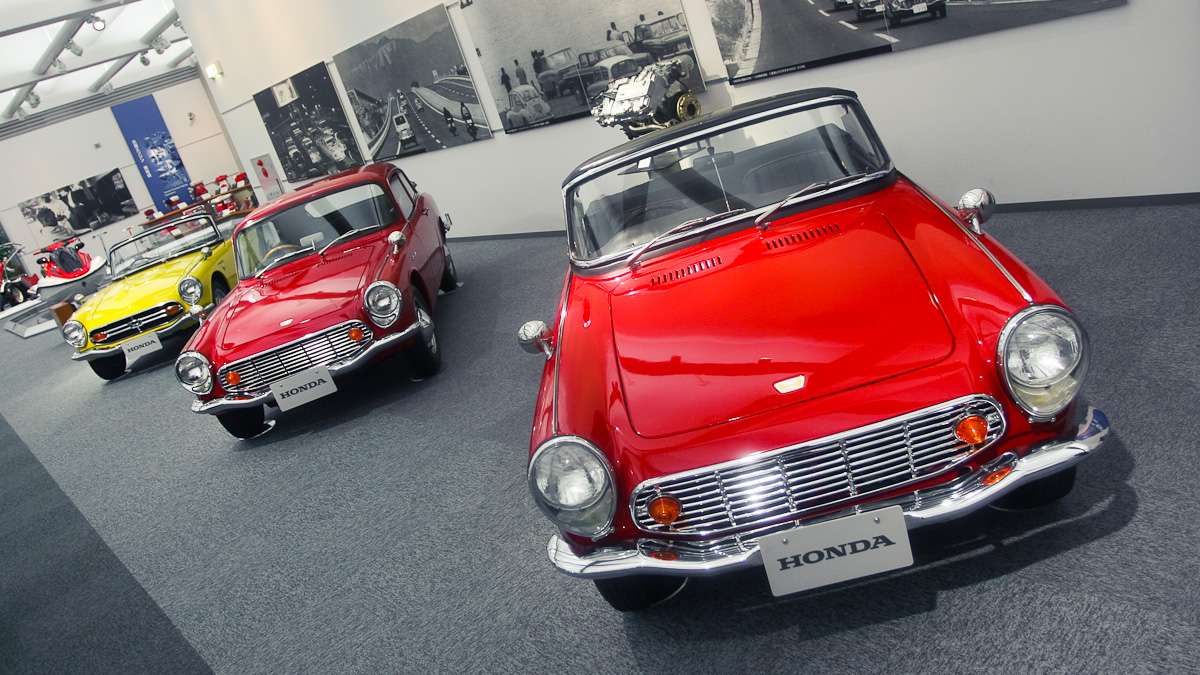
Honda showed its first cars at the 1962 Tokyo show: the S360 and S500 sports cars and the T360 truck. The S360 never reached production. The T360 went on sale in August 1963 and the S500 in October 1963. Honda’s heritage account notes that management picked the 500cc sports car over the 360cc one because it suited global markets better. Only 1,363 S500s were built between October 1963 and September 1964. Each had a 531cc twin-cam four-cylinder with four carburetors, making 44 horsepower at 8,000 rpm with a 9,500-rpm redline. That was motorcycle engineering on four wheels. The S600 and S800 that followed kept the same formula.
Original Significance: An Engine Company That Also Built Cars
Honda’s early sports cars were not meant to be luxury goods, and they were not priced as status cars. They mattered because they showed a young manufacturer with no car-making background could build a high-revving overhead-cam engine for production. That same approach runs through the company’s later collectible cars. The 1972 Civic’s CVCC engine, the aluminum-monocoque NSX unveiled in 1989, and the high-rpm VTEC four-cylinders in the Integra Type R and S2000 all come from the same engineering-led culture.
That history also explains why Honda collecting started late compared with European marques. For decades these cars were seen as capable, dependable and plentiful, which is the opposite of what usually makes a collector car. The market changed only when enough buyers began to treat engineering intent, originality and specification as the scarce qualities, not badge prestige.
Current Collector Status: The Market Now Pays for Subtraction
Honda’s clearest price signals come from the lighter, more focused versions of its cars. The standard models they were built from sell for much less. Hagerty’s January 2026 Acura and Honda valuation review shows how wide that gap has become:
- NSX-R (second generation): A 2003 NSX-R with about 16,000 km sold for €934,375, roughly $1.06 million, at Broad Arrow’s Concorso d’Eleganza Villa d’Este sale in May 2025. Fewer than 140 of the 2002–2005 NSX-R were built, all for Japan. Hagerty’s condition #3 value for a standard 1991–2005 NSX is $85,400, up 45% over five years. The R-spec car sold for more than ten times that.
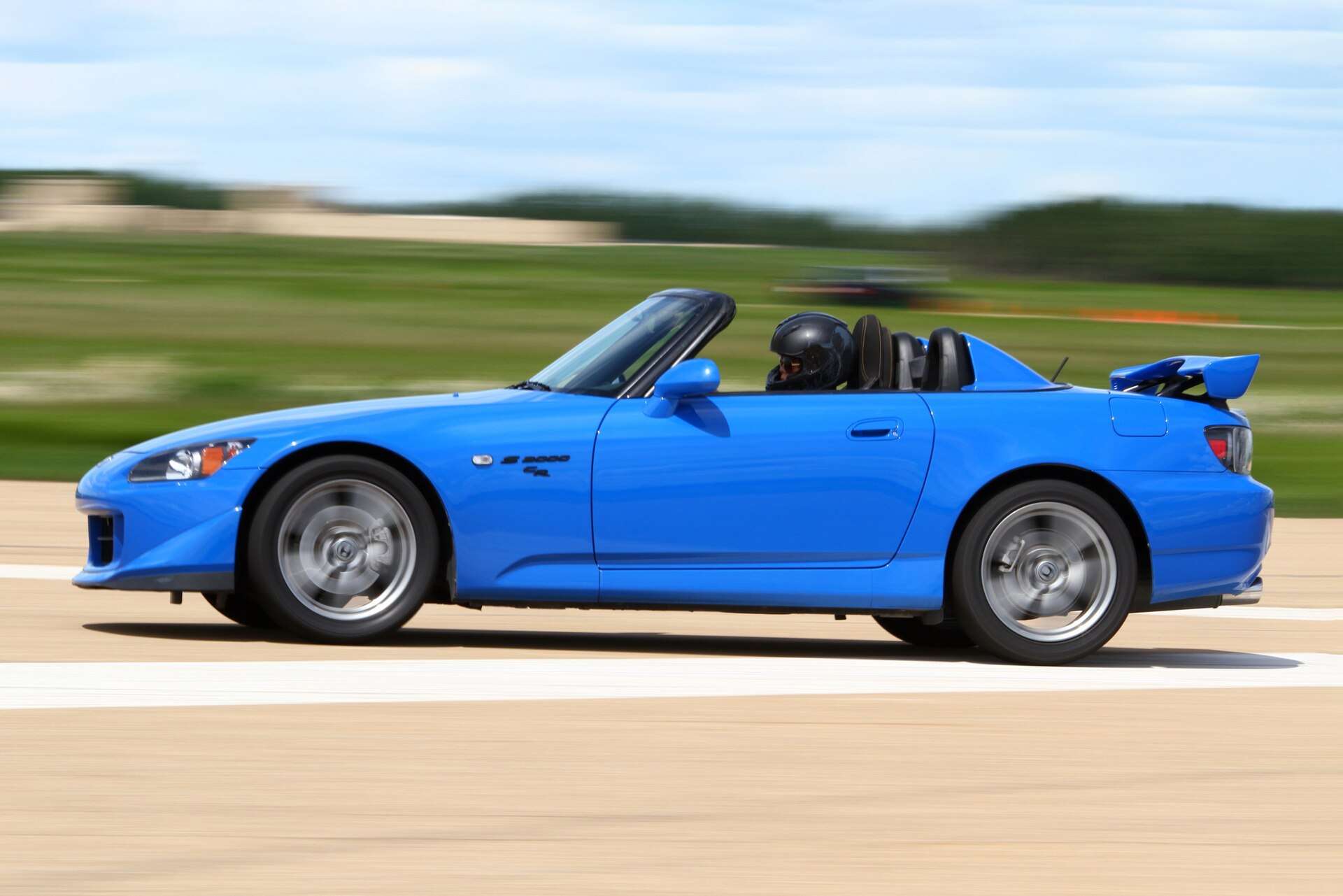
- S2000 CR: A 2009 S2000 CR with 123 miles sold for $205,000 on Bring a Trailer in 2022. Hagerty reported that it beat the previous CR record of $127,500, set two months earlier, by about 61%. Fewer than 700 CRs were built. The CR famously had no folding soft top. Hagerty now lists a condition #3 standard S2000 at $32,800, up 74% in five years.
- Integra Type R: Hagerty records a 2001 car with under 5,000 miles selling for $211,704 in early 2025. The condition #3 value is $41,300, up 35% over five years.
These numbers matter because of the pattern, not the headline prices. In every case, the lighter and more specialized version sells for several times the standard car. It shows that buyers are paying for Honda’s engineering in its purest form.
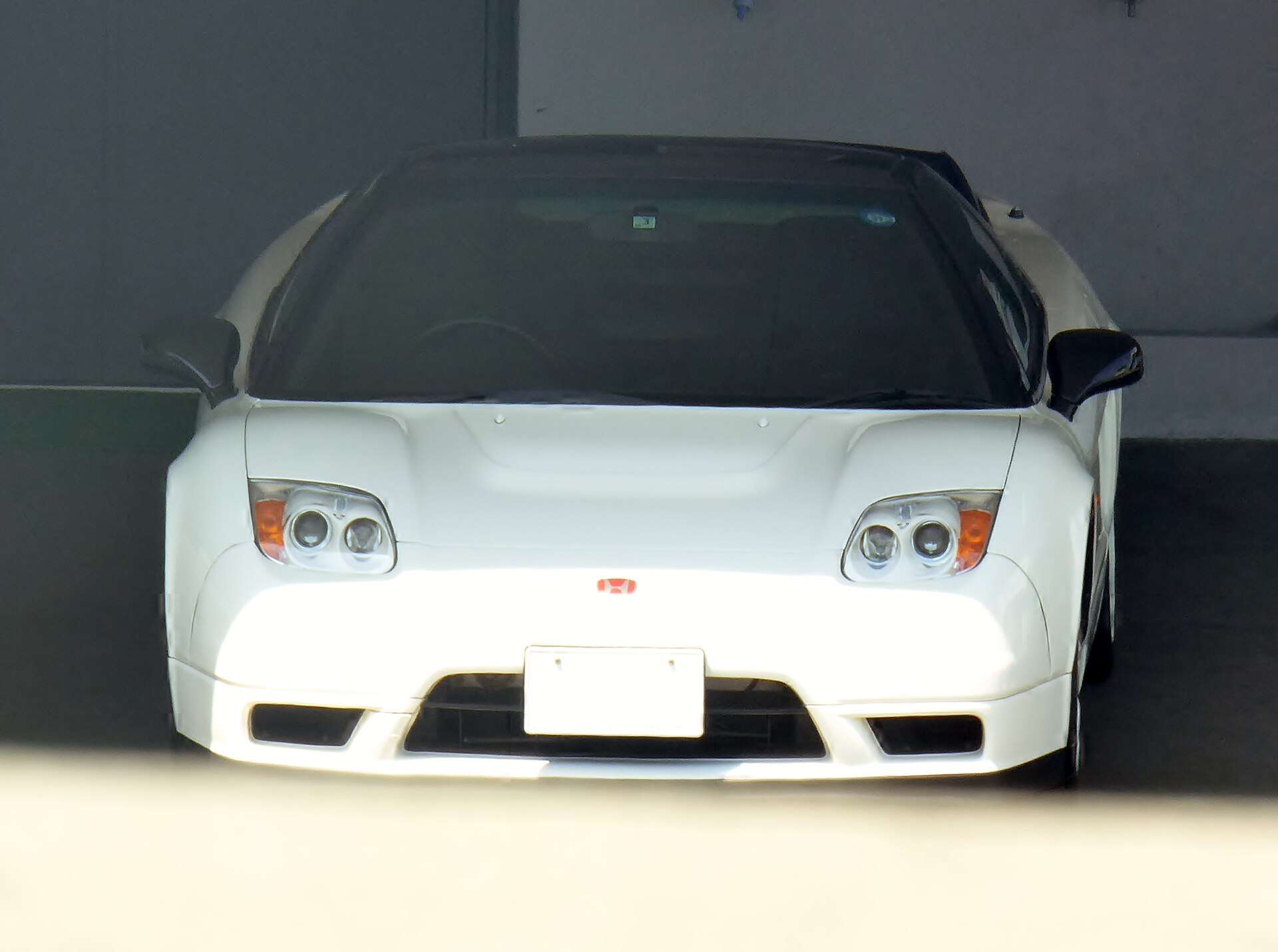
We have seen the same pattern in our own coverage. The Zanardi Edition NSX is only now being priced as the tribute it always was. The last NSX Type S showed that being the final example can matter more than rarity. A modified 1991 NSX heading to auction was a useful test of how much originality the NSX market expects.
Where the Early Cars Fit
The S500, S600 and S800 sit in a different part of the market. Their value comes from history and scarcity outside Japan, not from record prices. In the U.S., Honda’s four-wheel story did not start until the N600 arrived in Hawaii in 1969. That is why the Manchester Honda “Founding Four” consignment matters: an unbroken dealer ownership chain from that period is harder to find than the cars. Pre-1970 Honda two-wheelers, including the Elvis Presley CL72 Scrambler, show that provenance can matter just as much for the motorcycles that funded the car program.
What Collectors Should Know Today
- Specification decides value. For NSX, S2000 and Type R cars, the variant, model year and factory equipment affect price more than cosmetic condition. Check chassis codes, build records and original parts before worrying about paint.
- Originality counts far more than modification. Honda buyers pay for how the factory built the car. Reversible modifications with the original parts included hurt value much less than permanent changes.
- Treat low-mileage records carefully. The $205,000 S2000 CR and the $211,704 Integra Type R were both near-new cars. Those prices do not set values for driven examples. Condition #3 prices are the better guide for cars meant to be used.
- Parts support is improving but patchy. Honda has begun reissuing genuine parts for some classic models. Parts for early S-series cars, especially engine internals, remain a specialist market.
- Japanese-market cars need extra paperwork. Cars like the NSX-R were built only for Japan. Import records, compliance history and matching documents are a large part of their value. The same caution applies across the wider Japanese collector market.
The Takeaway
Honda Motor Co. began on September 24, 1948 as an engineering outfit that did not stop to celebrate. The collector market has taken most of the company’s 78 years to reward that approach. It now clearly does, but only for the cars where the engineering is least diluted. Anyone buying a collectible Honda today is paying for how carefully the car was built and specified, not for the badge.
Sources: Honda Global heritage archive and 75 Years of Honda History; Hagerty Price Guide data (January 2026); Broad Arrow Auctions results as reported by Motor1; Hagerty Insider. Values are condition #3 unless noted and do not constitute investment advice.
The collector car market, every weekday morning.
Auction results, price moves and what’s crossing the block, read in four minutes. Free, from Modern Car Collector.
No spam, unsubscribe in one click. Or read more about the Brief.


 Kyle Matthews
  John Lloyd