
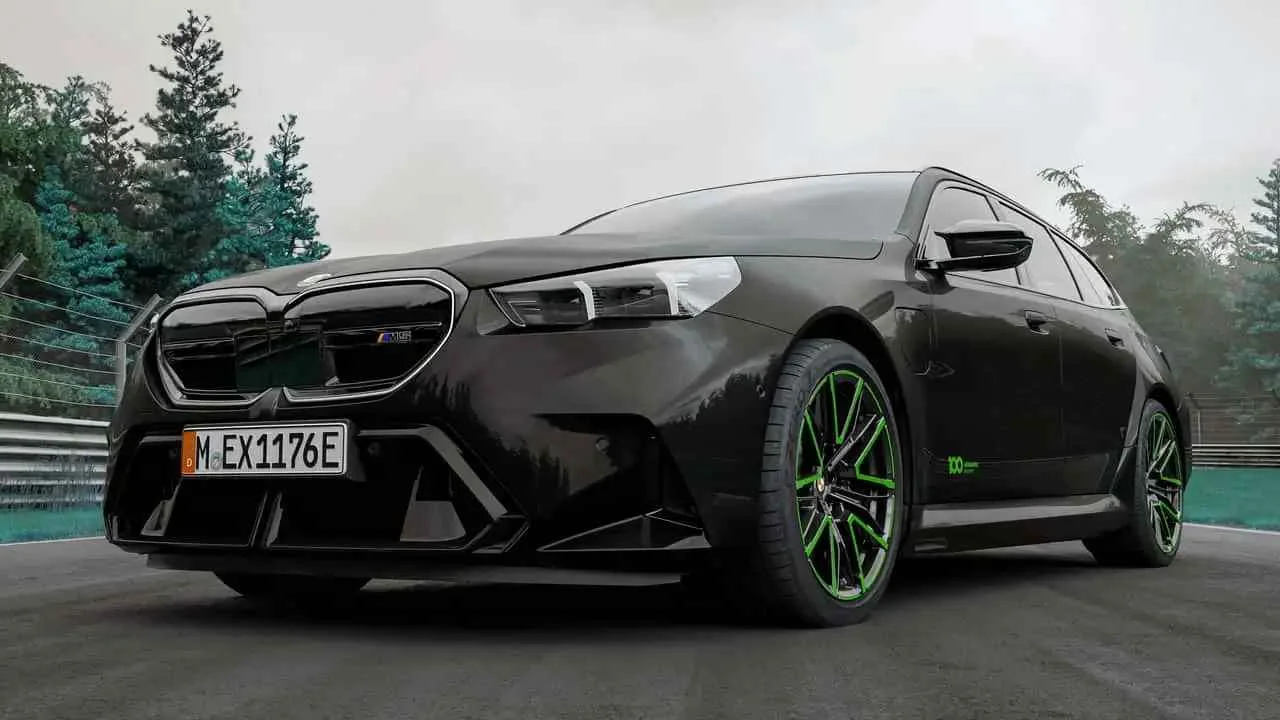
BMW M will mark the Nürburgring’s hundredth birthday with six cars and three motorcycles wearing a green created for the occasion. The motorcycles are limited to 100 units each. The cars are limited to nothing at all. That asymmetry, tucked into a press release otherwise concerned with stitching colors and roof stripes, is the most useful sentence BMW published this week — because it tells you which half of this program the factory itself expects to be collectible.
The 100 Jahre Nürburgring edition is a very good-looking tribute to the place that built BMW M’s reputation. It is not, on the evidence available, a collector car. The two things in this announcement that will genuinely move values thirty years from now are buried underneath the paint: a body style, and a cylinder head.

What BMW Actually Announced
Six cars carry the edition: the M2, M3 Sedan, M3 Touring, M4 Coupé, M5 Sedan and M5 Touring. All are offered in Nürburgring Green or, for buyers who would rather not explain themselves at the club, Black Sapphire metallic. The treatment includes a “Nürburgring since 1927” logo with the Nordschleife silhouette, edition graphics on the front doors, C-pillars and rear, roof stripes — on the optional carbon roof for the M2, M3 Sedan, M4 and M5 Sedan, and on the standard steel roof for both Tourings — and green accents on the wheels and kidney frames. Inside: black upholstery with green and white contrast stitching, and an M Alcantara wheel with a red twelve o’clock marker on the inline-six cars.
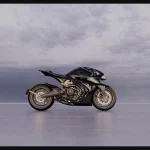
Order books for the M3, M4 and M5 variants open this month. The M2 follows in January 2027. The three BMW Motorrad models — M 1000 RR, M 1000 R and M 1000 XR — are each capped at 100 units worldwide, with an individually numbered “one of 100” marking on the airbox cover.
Nowhere in that list is a component that changes how any of these cars drive.
The Test Every M Special Edition Has to Pass
BMW M has two distinct lineages of special edition, and collectors have spent four decades learning to tell them apart. The first adds hardware and publishes a number. The E46 M3 CSL — 1,383 built, carbon roof, carbon airbox, thinner rear glass, a stripped interior — is the template. The E92 M3 GTS followed it. The M4 GTS, announced with a 700-unit cap and ultimately built to 803, brought water injection, carbon-ceramic brakes and a coilover chassis; the last one built was recently offered at $1 million. The M4 CSL, capped at 1,000, and the M5 CS belong to the same family.
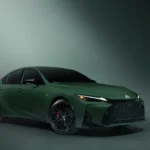
The second lineage adds paint, badges and stitching, and publishes no number at all. You already know how that one performs, because you cannot name any of its members. This is the pattern we identified in the 2027 Lexus IS Special Appearance Package, and it holds across marques: a special edition that adds paint rides the depreciation curve of the car it is sprayed on. A special edition that adds hardware draws its own curve.
Nürburgring branding specifically has a mixed record, and the comparison is instructive. The Lexus LFA Nürburgring Package trades at a meaningful premium over a standard LFA — but it earned that premium with more power, faster shifts, revised aero and a factory-documented 64-car run. It is the model BMW chose not to follow here.
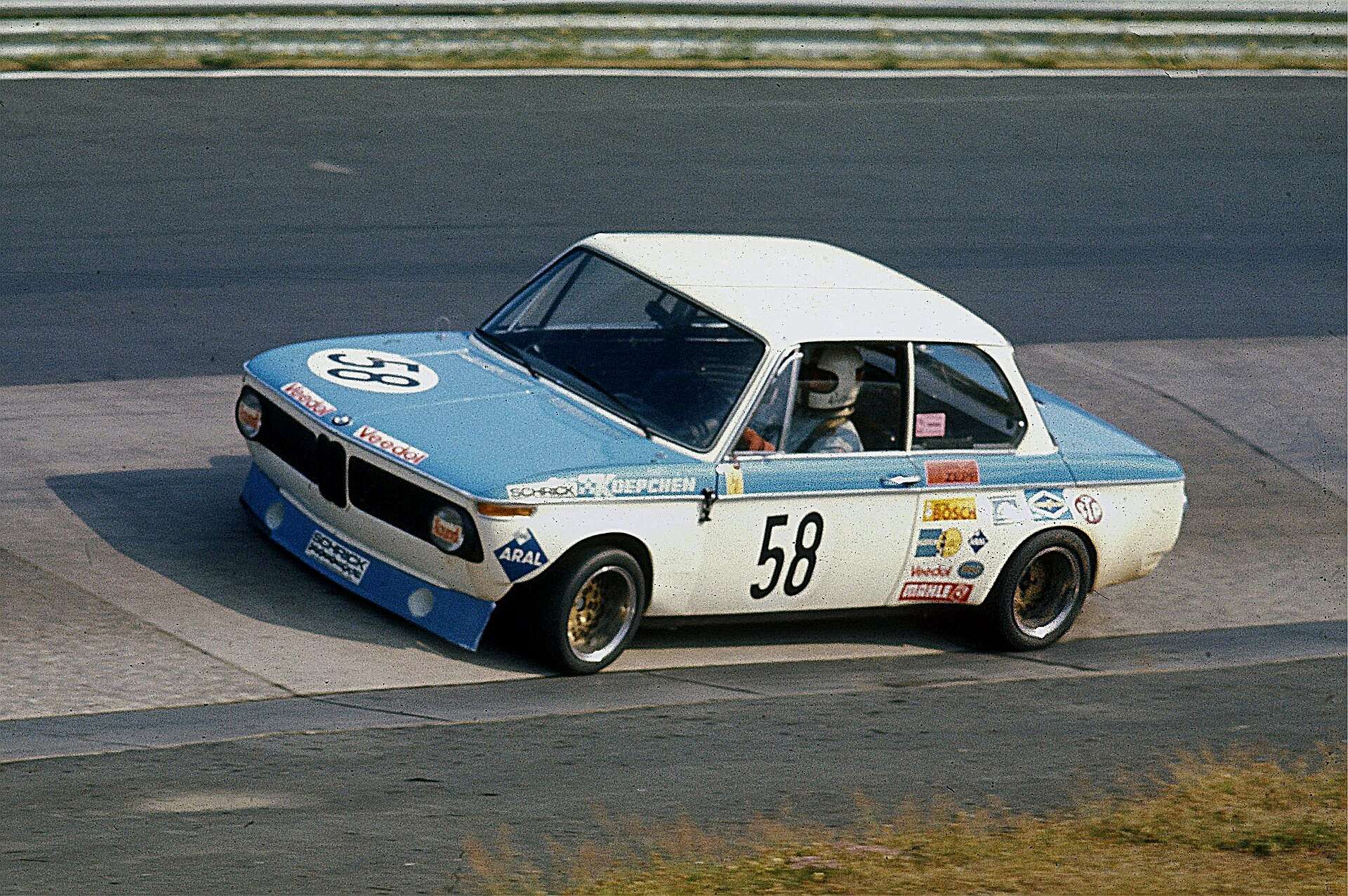
None of this makes the tribute dishonest. BMW’s claim on the Nordschleife is real and unusually well documented — the company’s competition department became BMW Motorsport GmbH in 1972, and the coupés that ran the Eifel in that era are now the division’s founding relics. The 1972 3.0 CSL werks car offered in the U.K. last year, one of 21 factory examples and arguably the first M prototype, is exactly the sort of object a centenary should point at. What a centenary cannot do is manufacture significance for a color.
The First Real Story Is a Body Style
Strip the green paint out of this announcement and look at the model list again. Two of the six are Tourings, and the wagons are where the durable collector interest sits.
The M3 Touring has never been sold in the United States. The M5 Touring is more consequential still: the G99 is the first M5 wagon BMW has ever certified for the American market. The E34 M5 Touring and the E61 M5 Touring were both built, both loved, and both denied to U.S. buyers — which is precisely why grey-market E34 Tourings now command the money they do. BMW has finally supplied a market that has spent thirty years paying premiums for cars it could not legally have.
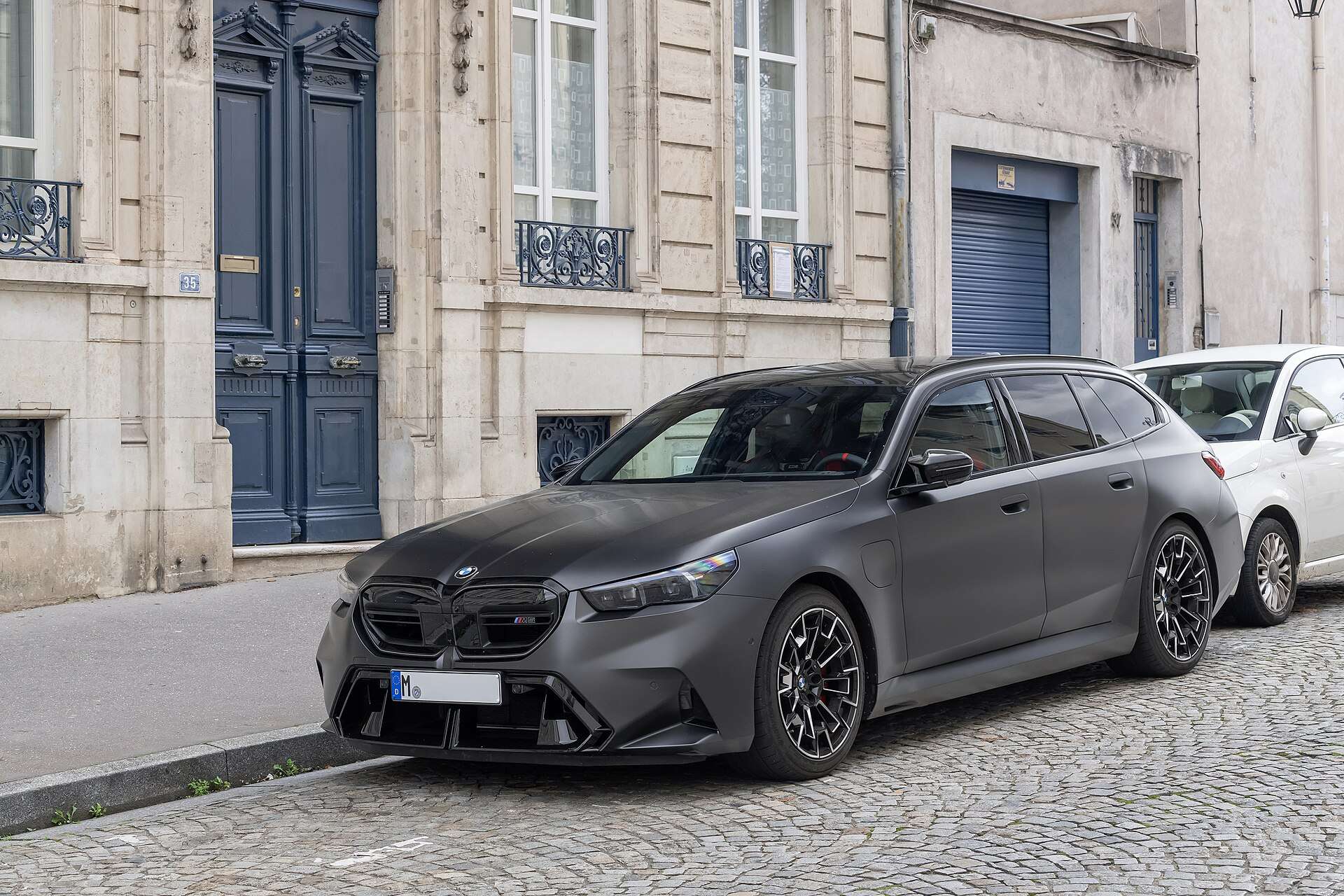
The G90 generation carries a second marker: it is the first electrified M5, and the heaviest M5 ever built. Enthusiasts have treated both facts as indictments. Collectors, historically, have treated first-of-type as significant regardless of whether the car was beloved when new — the 1974 2002 Turbo was widely considered a poorly timed misfire, and the market corrected that view a long time ago. Firsts get remembered. Best-sellers get forgotten.
In 2050, nobody will sort G99s by roof stripe. They will sort them by Touring versus Sedan, by market, and by whether the car survived intact.
The Second Real Story Is a Cylinder Head
The same press release contains a genuine engineering change that most coverage skipped. BMW M Ignite — pre-chamber ignition, adapted from Formula 1 practice — enters series production in the S58 inline-six from July and August 2026, delivering Euro 7 compliance without surrendering output and reducing consumption under sustained track load.
Read that against the order dates. Every 100 Jahre M3 and M4 is built after the changeover. Every edition M2, ordered from January 2027, certainly is. Which means the S58’s production run now has a clear before and after, and the anniversary cars all sit on one side of it.
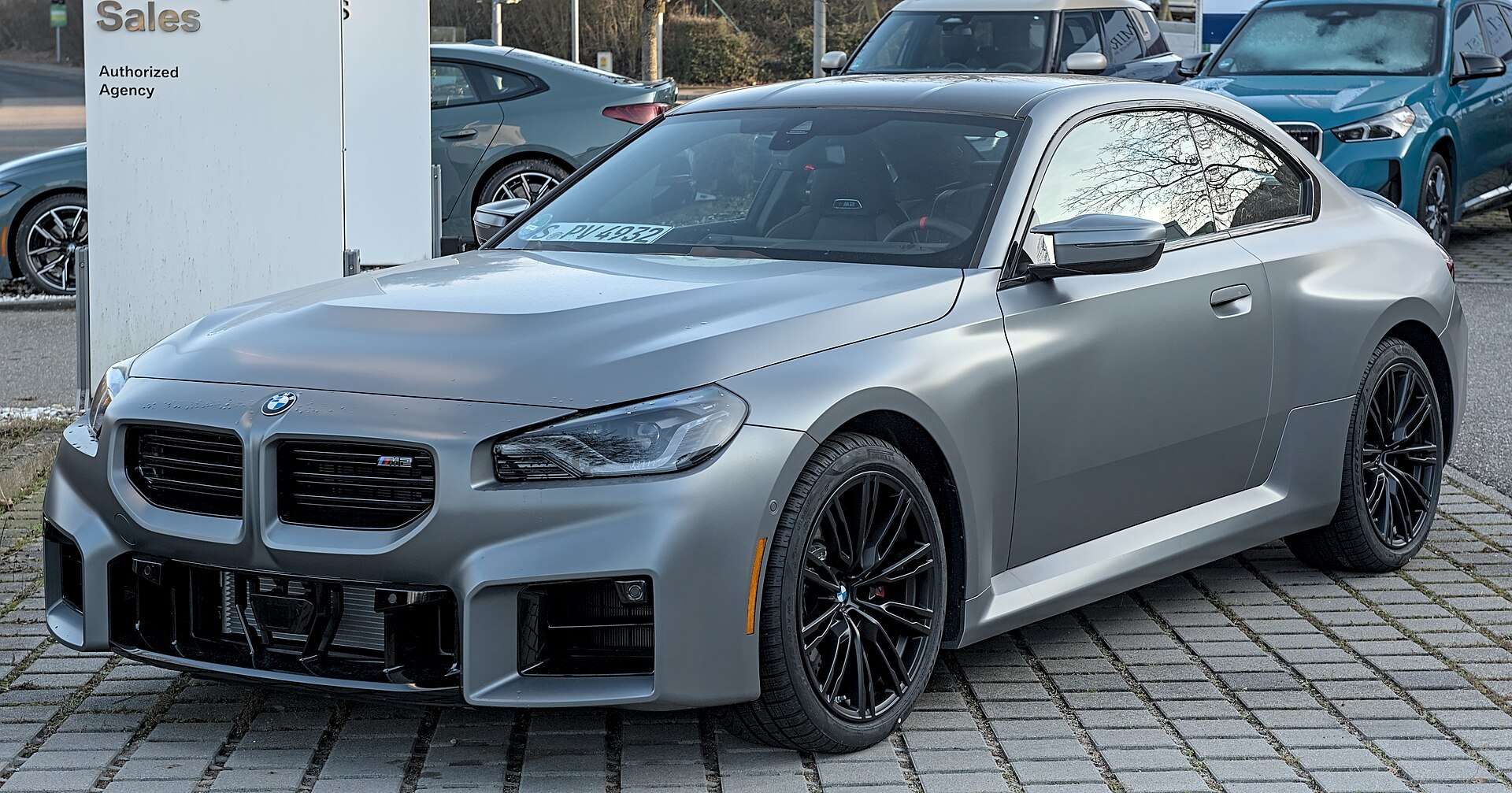
This is how the modern M market actually sorts itself. Not by badge, but by hardware, build date and documentation — the same logic that makes a documented M10 race engine collectible without a chassis attached to it, and the same logic that produced this weekend’s auction results, where the money went to cars with complete paperwork and walked away from everything uncertain. Thirty years from now, the question at a G80 pre-purchase inspection will not be whether the roof stripes are factory. It will be which ignition system is under the cover, and whether the owner kept the build sheet that proves it.
What Serious Buyers Should Do
Buy the Touring. If you are spending edition money, spend it on the body style that cannot be replicated later and, in the M5’s case, has never before been available here. The sedan and coupé will always be available. The wagons are the finite asset.
Take the green. Black Sapphire examples will end up scarcer, and scarcity inside an uncapped appearance edition is not value — it is just a quieter car. If you are buying a commemorative edition and then deleting the commemoration, you have paid for nothing. Specify the carbon roof where it is offered, and on the M2, the six-speed manual. BMW keeps telling us it understands what the third pedal is worth — most recently with the M3 CS Handschalter concept it brought to Monterey — and the market keeps confirming it.
Keep everything. Order confirmation, build sheet, window sticker, the dealer’s edition documentation. Uncapped editions are the easiest cars in the world to clone with a vinyl kit and a can of paint, and the first fake 100 Jahre car will appear long before the first one becomes valuable.
Do not pay a premium on the secondary market. Whatever dealers ask over a comparably specified standard car in the first eighteen months, that premium has historically evaporated by year five. The recent Best of M offerings at RM Sotheby’s were populated by homologation cars and hardware specials, not by paint-and-badge editions. That is not a coincidence; it is the whole lesson.
The Bottom Line
The Nürburgring opened on 18 June 1927, and Rudolf Caracciola won the first Eifelrennen held there. A century later it remains the venue where BMW signs off every M car it builds, and a tribute is entirely warranted. But BMW has been careful, deliberately and transparently, not to make this tribute scarce. It capped the motorcycles at 100 and left the cars uncounted, and a factory’s own production decisions are the most honest forecast of collectibility you will ever get.
Treat Nürburgring Green as what it is: an attractive way to own a G80 or a G99, and not a reason to. The reason to buy is the wagon body, the first-of-type drivetrain, and the engine hardware BMW quietly changed in the same breath. The anniversary is the occasion. It was never the asset.
The collector car market, every weekday morning.
Auction results, price moves and what’s crossing the block, read in four minutes. Free, from Modern Car Collector.
No spam, unsubscribe in one click. Or read more about the Brief.
 Eve Nowell