

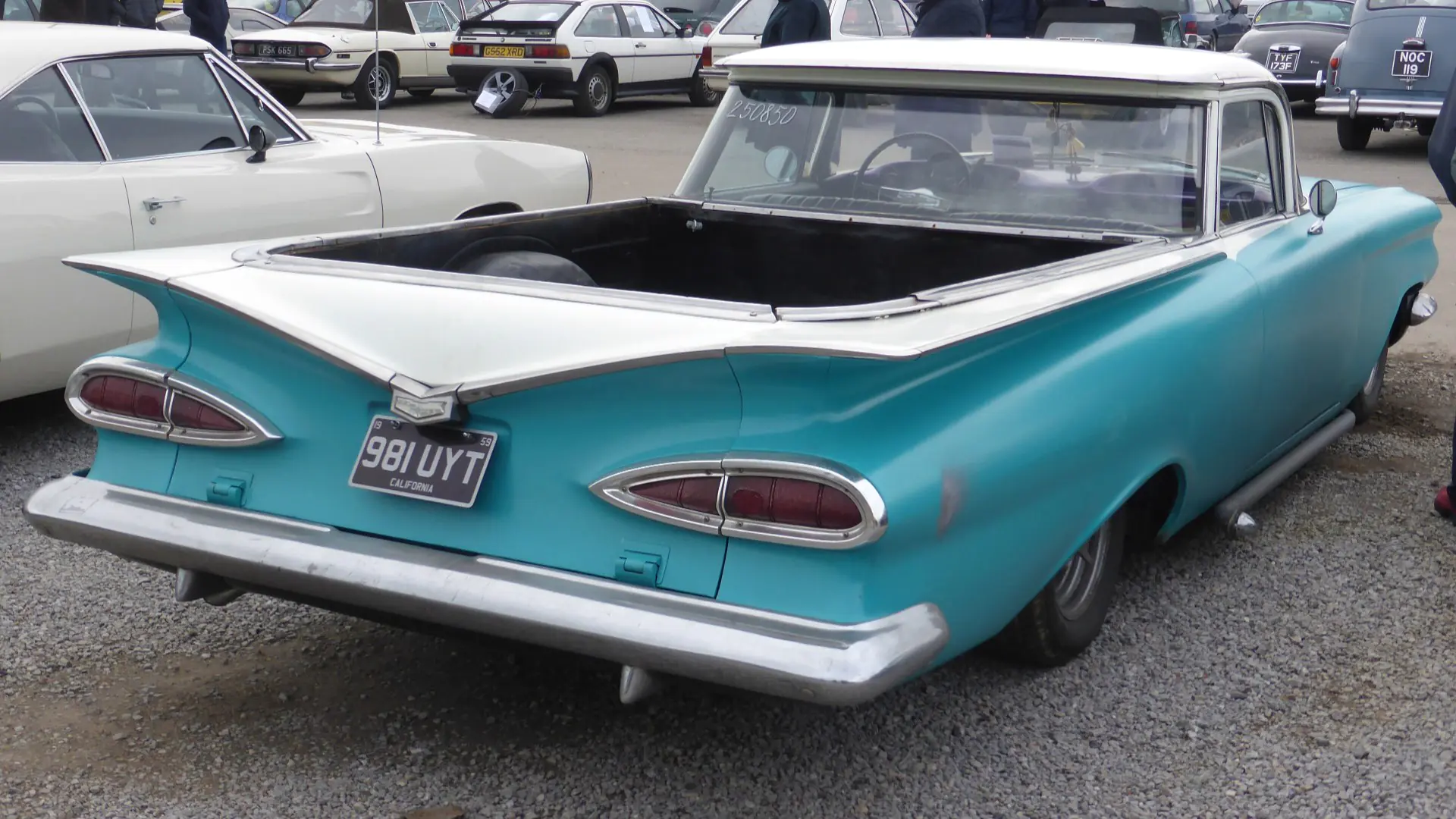
Chevrolet unveiled the 1959 Chevrolet El Camino on Oct. 16, 1958, and in doing so gave collectors one of the more misunderstood bodies in the postwar catalog. The first-generation car-pickup lasted only two model years, which is exactly why it deserves a closer look than the far more common Chevelle-based trucks that followed.
Why Chevrolet built the El Camino
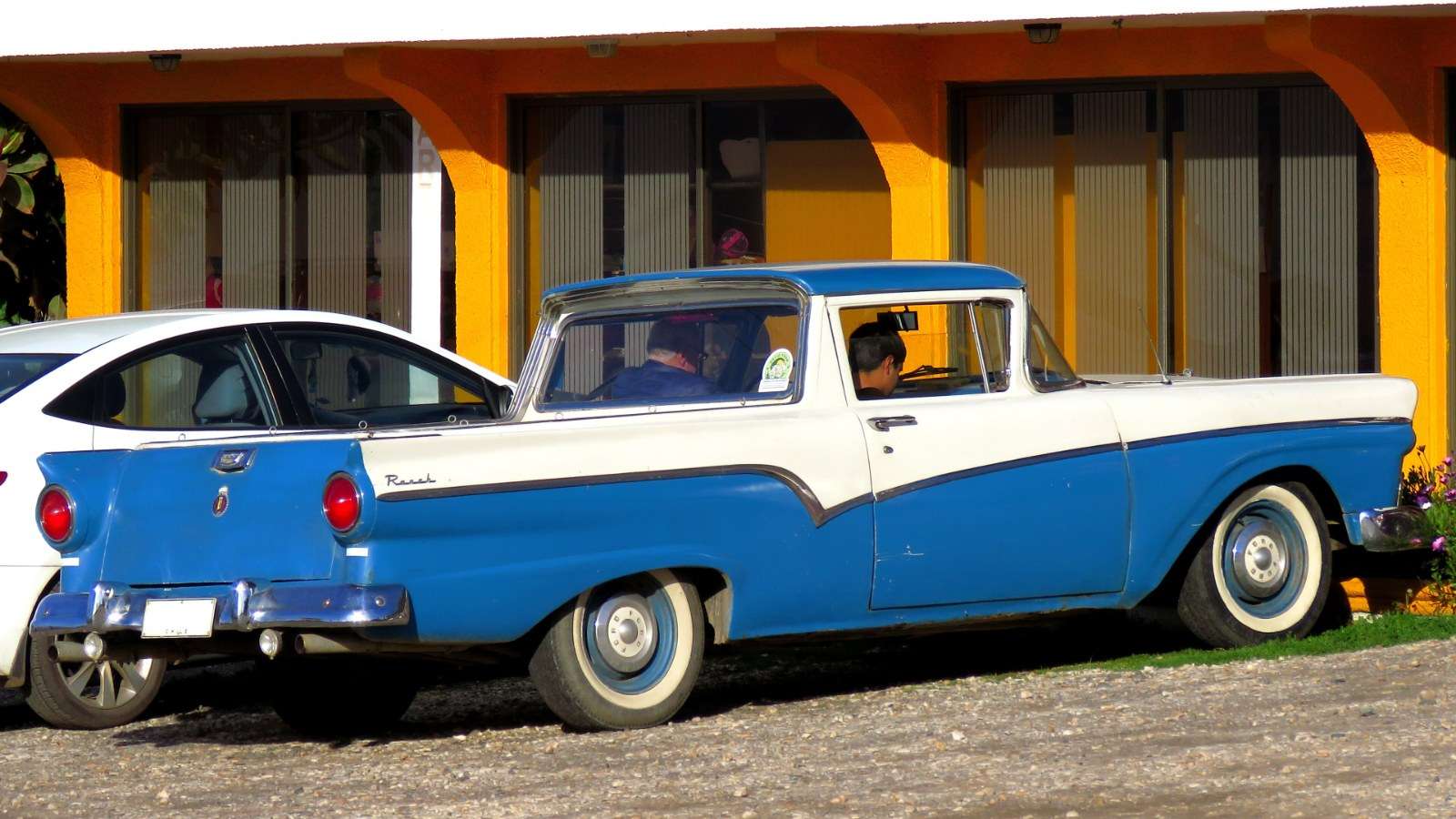
Ford had a head start. The Ranchero arrived for 1957. Chevrolet answered with a truck built on its own passenger-car architecture, the 1959 Brookwood two-door station wagon platform, according to the Automotive History Foundation. Hagerty’s automotive history calendar lists a payload of 650 to 1,150 pounds.
Chevrolet was not starting from nothing. It had sold a coupe-pickup from 1936 to 1942, and Mac’s Motor City Garage notes that the Ranchero likely inspired the 1959 model. Reports that Harley Earl floated the idea as early as 1952 circulate widely but remain thinly sourced, so treat that origin story with care.
The thesis worth holding onto is that the El Camino was a market response, not an invention. That matters to collectors because response products are built to a price and a shared parts bin, and the evidence of how a particular truck was ordered is what separates one example from another.
The numbers behind the 1959 Chevrolet El Camino
Chevrolet built 22,246 El Caminos for 1959, according to Wikipedia’s production summary. That was comfortably ahead of the roughly 14,000 Rancheros Ford sold that year. The truck wore Bel Air-style bright-metal side trim over a lower-level interior drawn from the Biscayne. Mac’s Motor City Garage also describes a Snowcrest White accent paint treatment.
Buyers could order from across the Chevrolet powertrain list. Options included a 235-cubic-inch six, 283 and 348 V8s, and a triple two-barrel 348 rated at 315 horsepower. Transmissions were a three-speed manual, Powerglide, or the new Borg-Warner T10 four-speed.
The 1960 model year was the reversal. Production fell to 14,163 while Ford sold roughly 21,000 Rancheros, and Chevrolet dropped the El Camino after that year. The Corvair-based Rampside and Loadside pickups filled the gap from 1961 to 1964, and a Chevelle-based El Camino returned for 1964 and ran through 1987. The 1959 and 1960 trucks are the only two years of the original design.
Value context: what the market is paying for
We are not quoting a price range here. Verified sale results for stock first-year trucks are thin, and a number without a documented car behind it is not a comp. What MCC can point to is how the body style trades in modified form.
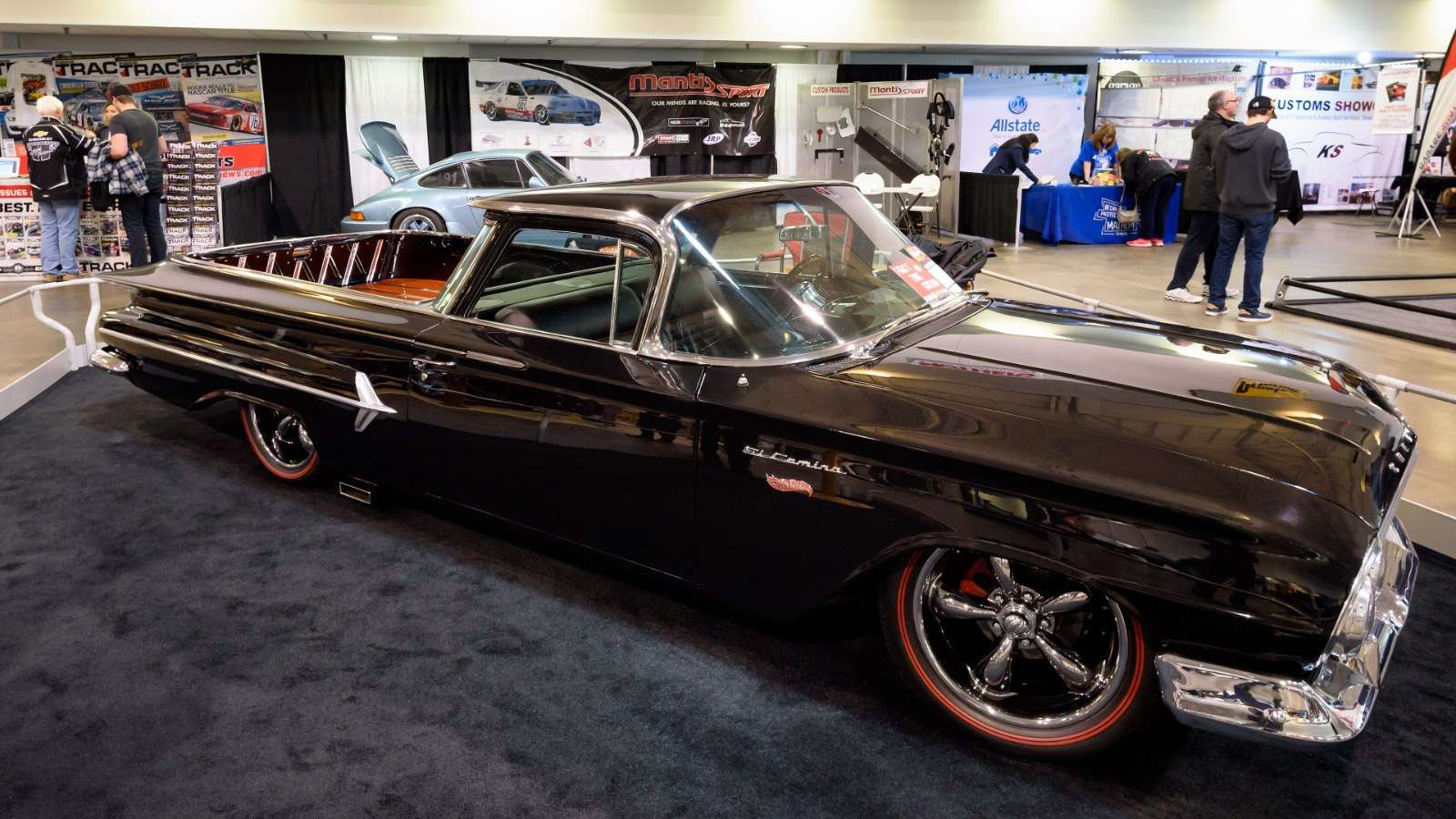
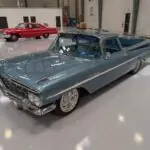
Our September look at an LS2-swapped 1959 El Camino on Bring a Trailer noted bidding past $35,000 with hours remaining. We have also covered a pro-touring 1959 El Camino built for George Poteet. The pattern is that buyers pay for the shape and the quality of the build. We found no published production split by engine or transmission, which is why documentation carries so much weight on an original car.
What collectors should verify
Start with the identity of the truck. Match the VIN and data plate to the car. Be skeptical of any claim that depends on a converted wagon or a different series.
Check the engine stamping and transmission against what the seller says. A 348 or a four-speed should come with paperwork, because the sources we checked give no engine-by-engine production split.
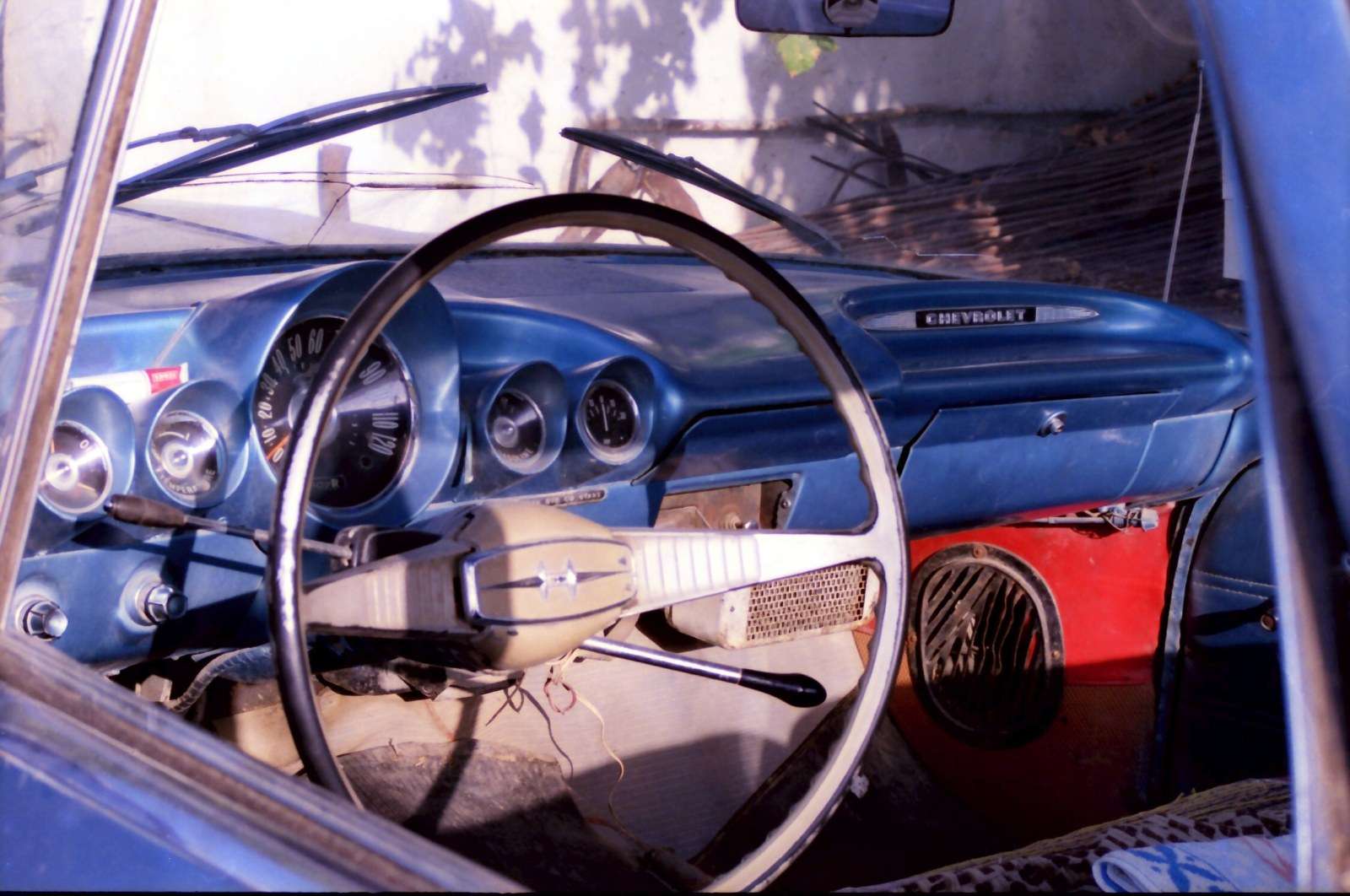
Then compare trim and interior with the factory description. The 1959 truck left with Bel Air-style exterior trim and a Biscayne-level interior, so an upscale cabin may mean a later change. Confirm the model year by body details, since only 1959 and 1960 carry this design. Finally, ask directly whether an engine or drivetrain swap has been made. A swap is not a flaw, as the market above shows, but it moves the car into a different category and should be priced that way.
Why it matters
The El Camino is a reminder that a product can stumble commercially and still succeed with collectors. Orders fell by about a third in a single year, and the original design ended after 1960. Yet that short run is what makes the first-generation truck a distinct body, separate from the Chevelle-based cars that followed. If you are weighing a later one, see our look at a low-mileage 1969 El Camino with a four-speed, or the Chevelle platform behind it in a 1968 Chevelle SS convertible. For the other side of Chevrolet’s response to Ford, read Today in Collector Car History: The 1967 Chevrolet Camaro, and for the trim the El Camino borrowed, a frame-off restored 1957 Bel Air.
The collector car market, every weekday morning.
Auction results, price moves and what’s crossing the block, read in four minutes. Free, from Modern Car Collector.
No spam, unsubscribe in one click. Or read more about the Brief.
Related Posts:
- For Sale at Freije & Freije Auctioneers: 2017…
- Frame-Off Restored 1957 Chevrolet Bel Air for Sale…
- 1959 Chevrolet El Camino: A Pro-Touring Restomod…
- Big-Block 1968 Chevelle SS Convertible With Air Ride…
- Black 1996 Dodge Viper RT/10 Roadster With a Dyno…

- Low-Mile 1987 Chevrolet Monte Carlo SS Aerocoupe for…
 John Lloyd