

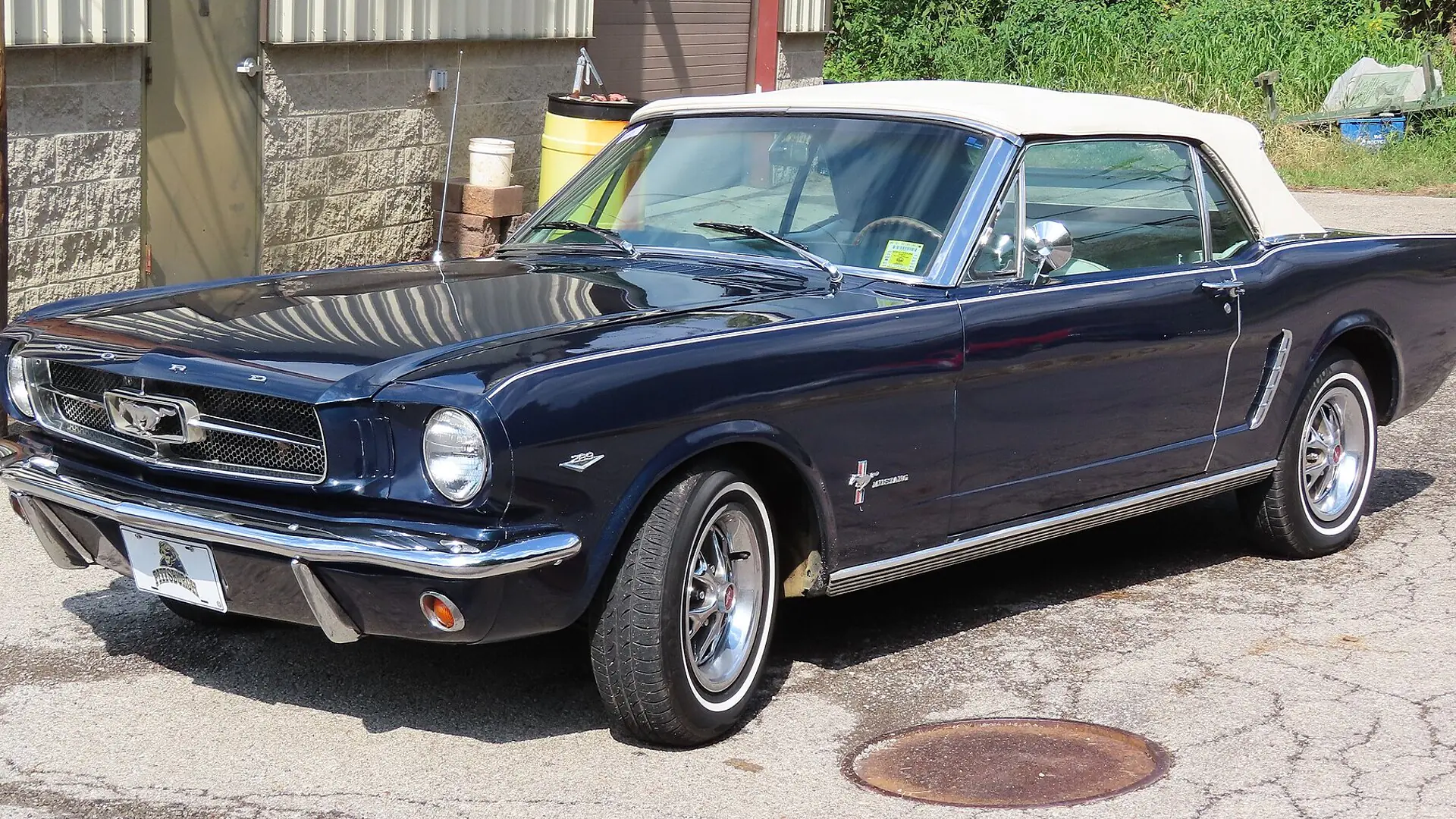
Lee Iacocca was born in Allentown, Pennsylvania, on Oct. 15, 1924, and the Lee Iacocca Mustang remains the car most closely tied to his name. For collectors, the lesson is less about the executive than the method: a car built in the hundreds of thousands became collectible only through the small details that separate one Mustang from the next.
The executive behind the pony car
Iacocca was named vice president and general manager of the Ford Division on Nov. 10, 1960. After an earlier small-car project, the Cardinal, was dropped, he formed the Fairlane Committee, which helped shape what became the Mustang. Credit was shared among engineers and product planners such as Donald Frey, but Iacocca was the executive who carried the idea through Ford.
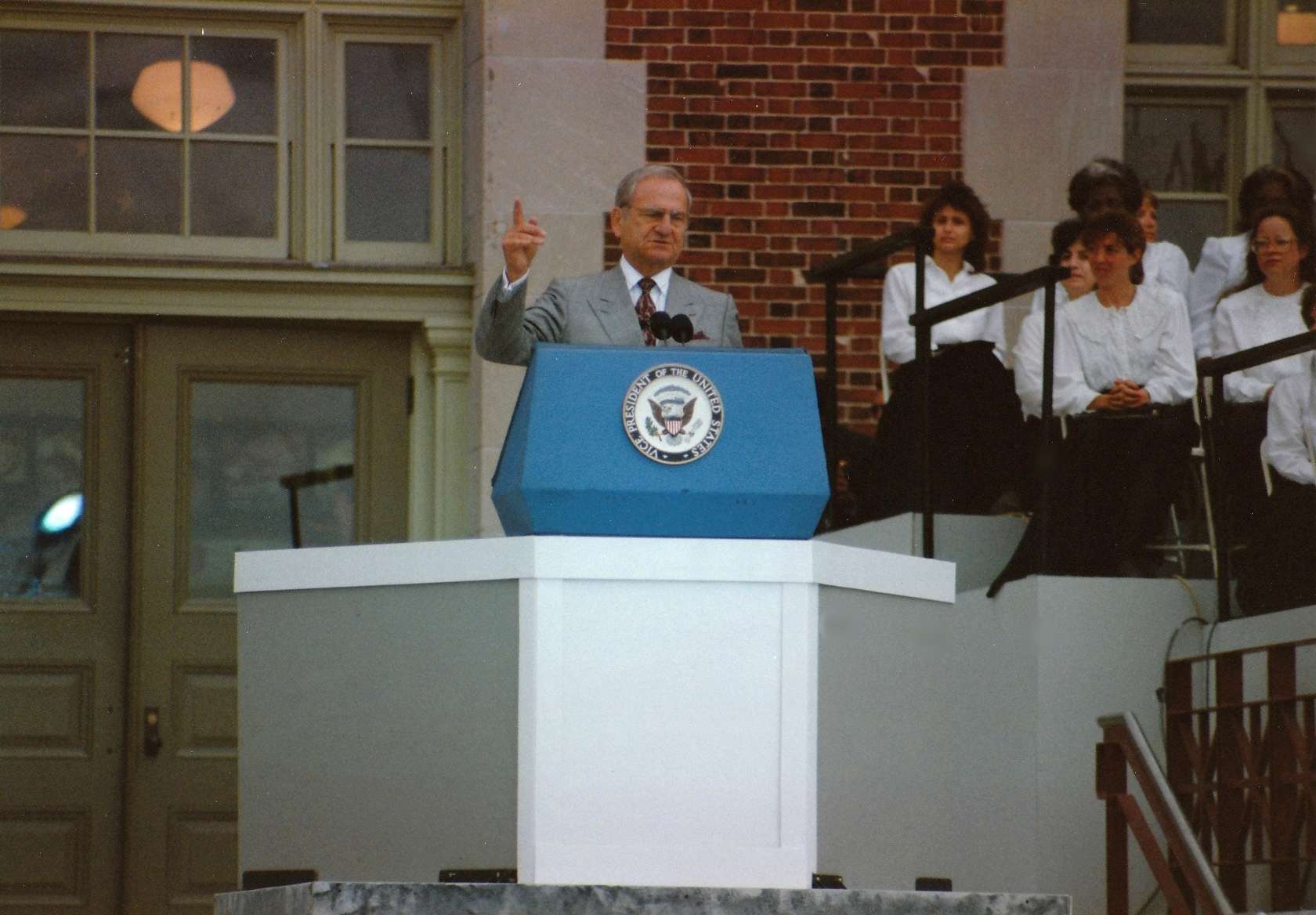
Production began on March 9, 1964, and Ford introduced the Mustang on April 17, 1964, at the New York World’s Fair. Salespeople reportedly wrote about 22,000 orders that first day against a launch price of $2,368, and first-year sales reached 418,812, a single-model record for one production year. Calendar-year production followed at 559,451 for 1965 and 607,568 for 1966.
How the Lee Iacocca Mustang became a collector car
The earliest cars carry the clearest stories. Serial Number One, 5F08F100001, was sold on April 14, 1964, three days before the official release, to Stanley Tucker, an airline pilot in St. John’s, Newfoundland. Ford asked for it back, but Tucker kept it for about two years and roughly 10,000 miles. In early 1966 he traded it for the one-millionth Mustang, built to his specifications and collected in Dearborn on March 2, 1966. Ford donated Serial Number One to The Henry Ford, where it is preserved and displayed.
Collectors also parse the “1964½” label, which Ford itself did not use. Cars built from March 1964 carried 1965 U.S. VINs and were marketed as 1965 models. The early V8 was a 260 cubic-inch engine rated at 164 horsepower; from August 1964 the 289 C-code at 200 horsepower replaced it, and the DC generator gave way to an alternator, so the dash light reads “GEN” on early cars and “ALT” on later ones.
Value context: where the money moves
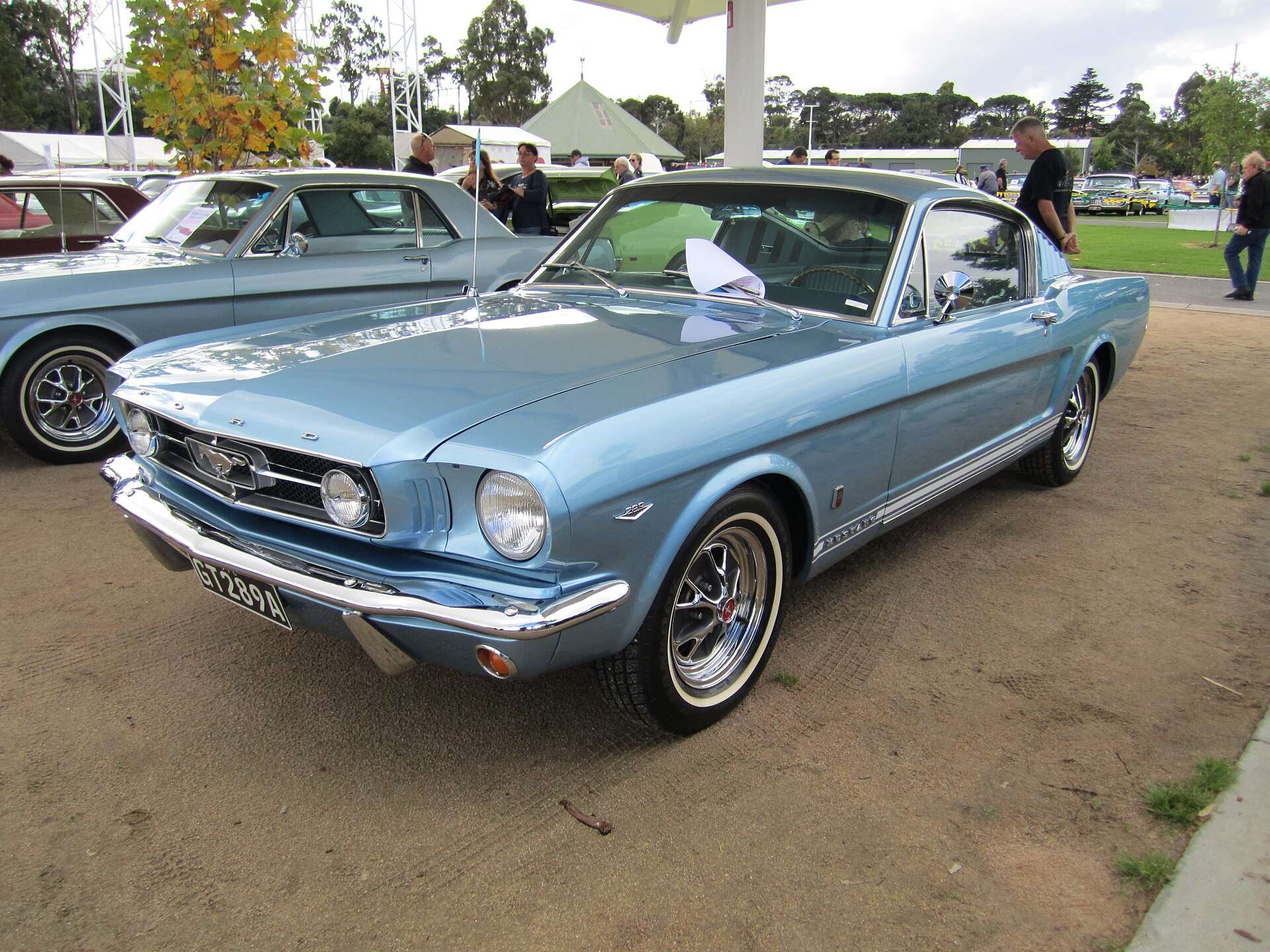
Volume means the plain coupe is plentiful, so the premium sits in the option codes. The K-code 289 “Hi-Po” produced 271 horsepower at 6,000 rpm, and the GT package, which added fog lamps, rocker stripes and disc brakes, was built 15,079 times for 1965 and 25,517 times for 1966. One data point: a numbers-matching 1965 K-code convertible in an older restoration sold for $74,250 at RM Sotheby’s Hershey in 2023, in a year when the K-code package had cost $442.60 new. A single result is not a price guide, but it shows what a documented engine code does to a car that otherwise left the factory by the thousand.
At the top of the ladder are the Shelby cars, which are a different market. A 1965 Shelby GT350R, chassis 5R106, brought $2,750,000 at Mecum Indianapolis in May 2026, and the prototype “Flying Mustang,” 5R002, sold for $4,070,000 at Mecum Kissimmee in January 2022, as tracked in our ranking of the 10 most expensive Ford Mustangs ever sold at auction. Documented history can matter just as much on a Ford-built car, as Paul Newman’s Mustang at Mecum Nashville showed.
What collectors should verify
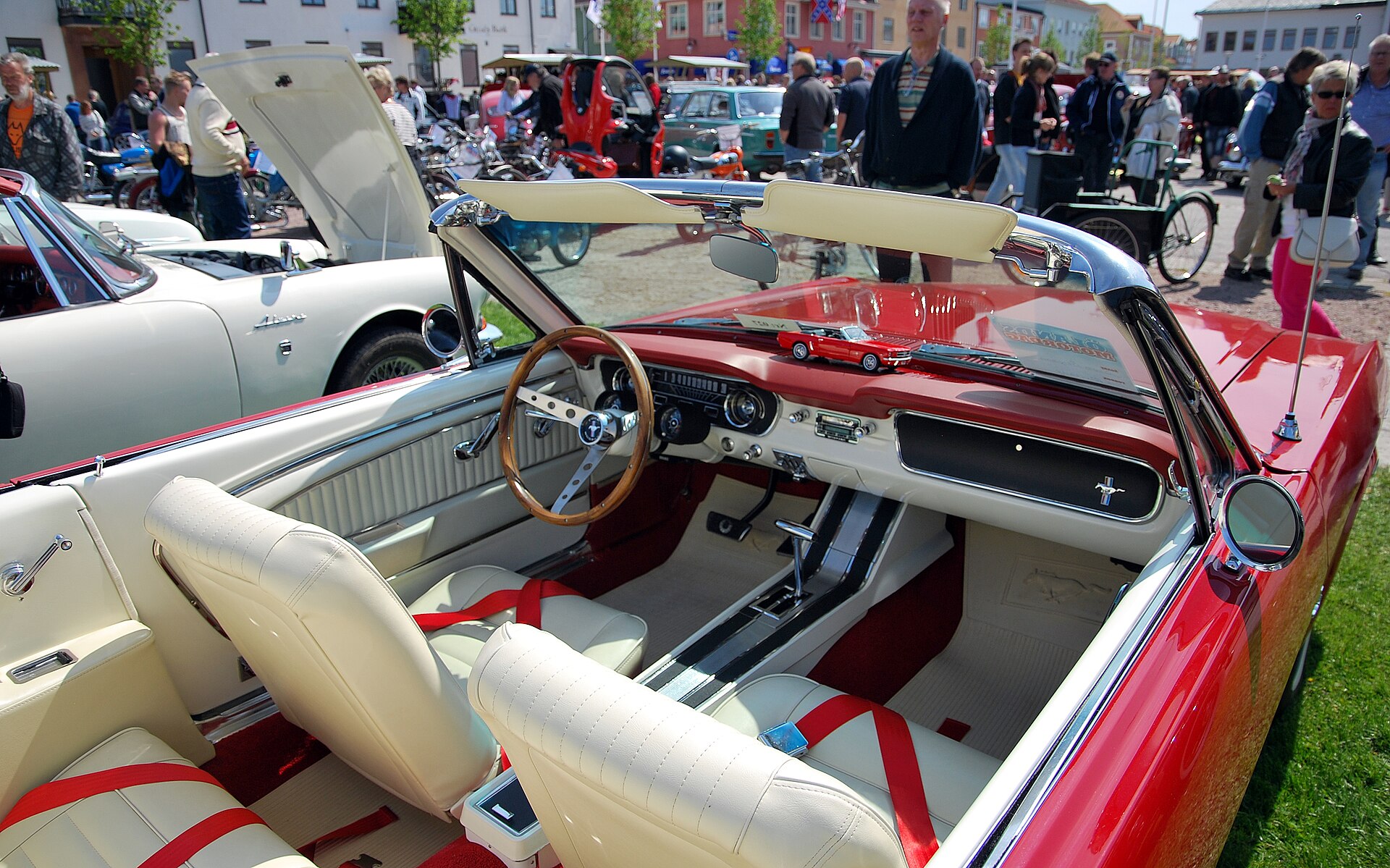
Start with the VIN and data plate. On the RM Sotheby’s car, chassis 5F08K296725, the K in the engine position is what identified the Hi-Po 289, and the engine number has to agree with it. Then check the 1964½ details above, the GEN or ALT light and the 260 versus 289 badge, against the build date. Finally, read the options with suspicion: the same RM Sotheby’s listing noted that air conditioning and power steering were not factory options on K-code cars, so those items on a K-code were likely dealer-installed. A loaded car can contradict its own paperwork, and the original window sticker, build sheet or dealer invoice settles it.
Why it matters
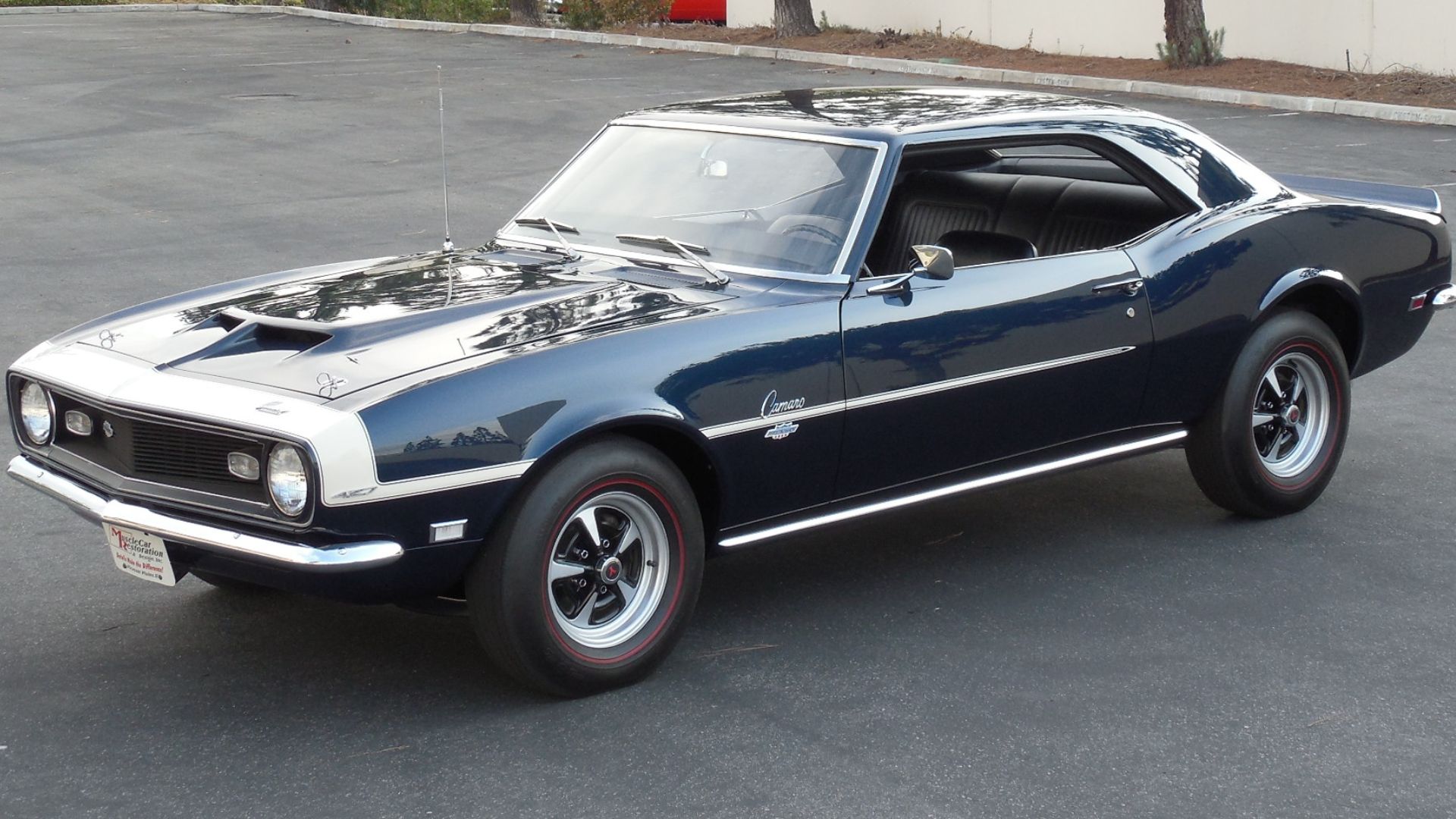
Iacocca left Ford on July 13, 1978, became Chrysler’s president that November, and later put the K-car and the minivan into production. Collectors still return to the Mustang. The strategy that made it common, a low price and a long options list, also built the option-code ladder buyers climb today, and the car rewards the person who reads the data plate rather than the badge. The same logic applies to its great rival, which we covered in Today in Collector Car History: The 1967 Chevrolet Camaro Went on Sale 60 Years Ago, and to originality questions such as the KK number on a Boss 429.
The collector car market, every weekday morning.
Auction results, price moves and what’s crossing the block, read in four minutes. Free, from Modern Car Collector.
No spam, unsubscribe in one click. Or read more about the Brief.
 John Lloyd